
Operational costs surge, Gapasdap demands fare adjustment
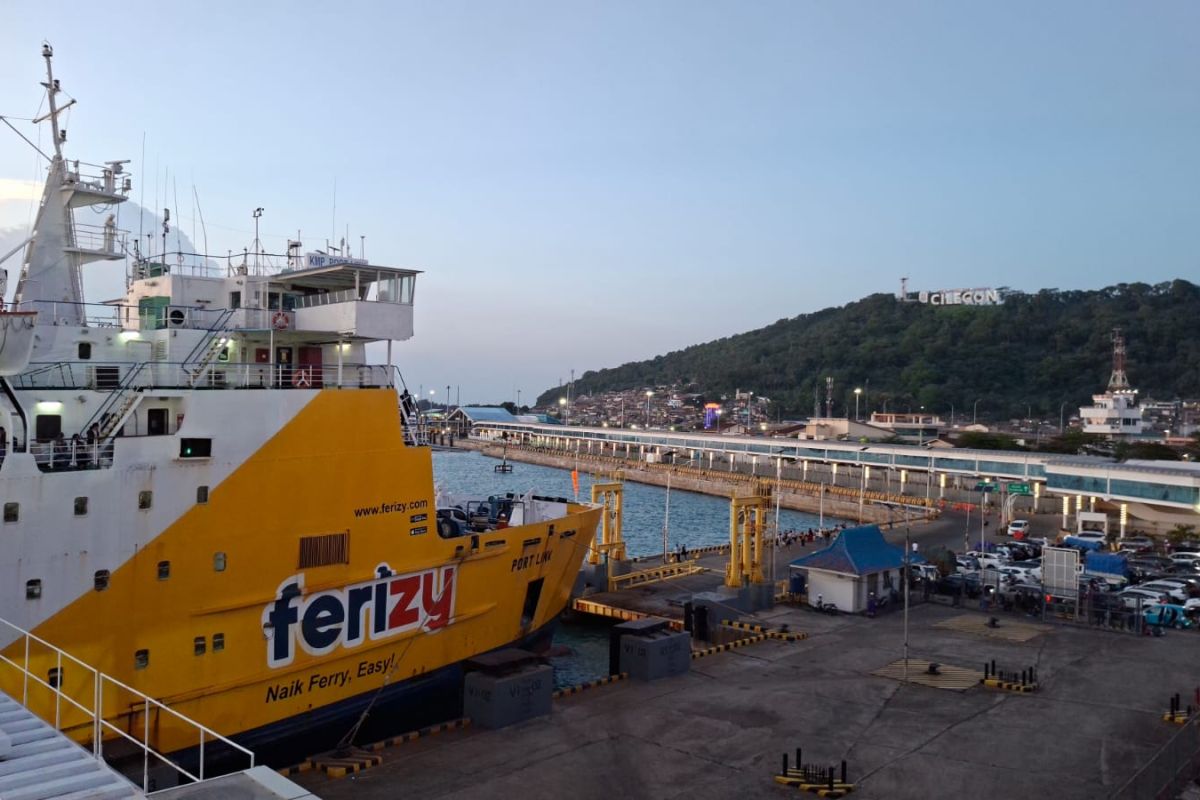
The current ferry transport tariffs do not reflect the operational costs that companies must bear.
Serang (ANTARA) - The Association of National Entrepreneurs for River, Lake, and Ferry Transport (Gapasdap) has requested that the government immediately implement an adjustment to ferry transport tariffs to save the industry from a sharp surge in various operational cost components.
The Chairman of the Merak Gapasdap branch, Togar Napitupulu, explained in a statement from Serang, Banten, on Saturday, that business operators are increasingly pressured by price increases influenced by the fluctuation of the US Dollar against the Rupiah. This increase has a direct impact on the costs of maintenance and the procurement of imported ship components.
Togar detailed that the price of ship oil has surged by up to 60 per cent. Additionally, the price of spare parts has risen by approximately 30 to 40 per cent, while the costs of docking and renewing ship classifications have increased by about 20 per cent.
“The current ferry transport tariffs do not reflect the operational costs that companies must bear. Yet, these various cost components are mandatory requirements to meet safety standards,” he said.
He explained that, based on an evaluation conducted in 2019, ferry transport tariffs are actually still approximately 31.8 per cent below the Cost of Goods Sold (COGS). Unfortunately, this deficit has not been realised by the government to date.
Amidst the pressure of rising operational costs, ship operators are still required to meet all service, security, and safety standards as mandated by Law Number 1s of 2008 concerning Shipping.
The financial condition of companies is also exacerbated by a decrease in sailing frequency due to the addition of fleets on the same routes, which limits the opportunity for each ship to generate income from the number of trips.
Togar warned that if the tariff adjustment is not realised and leads to a decline in service quality or safety in the future, regulators must share the responsibility for such conditions.
In addition to urging the implementation of new tariffs that align with the COGS, Gapasdap also proposed that the government provide stimulus to reduce the operational burden.
Strategic proposals submitted include the abolition of Non-Tax State Revenue (PNBP), the removal of fuel taxes, a reduction in port and classification fees, and the provision of low-interest credit facilities for the maritime sector, similar to those implemented in neighbouring countries.