
Opening National Dialogue, Semarang Mayor Strengthens Synergy in MBG Programme
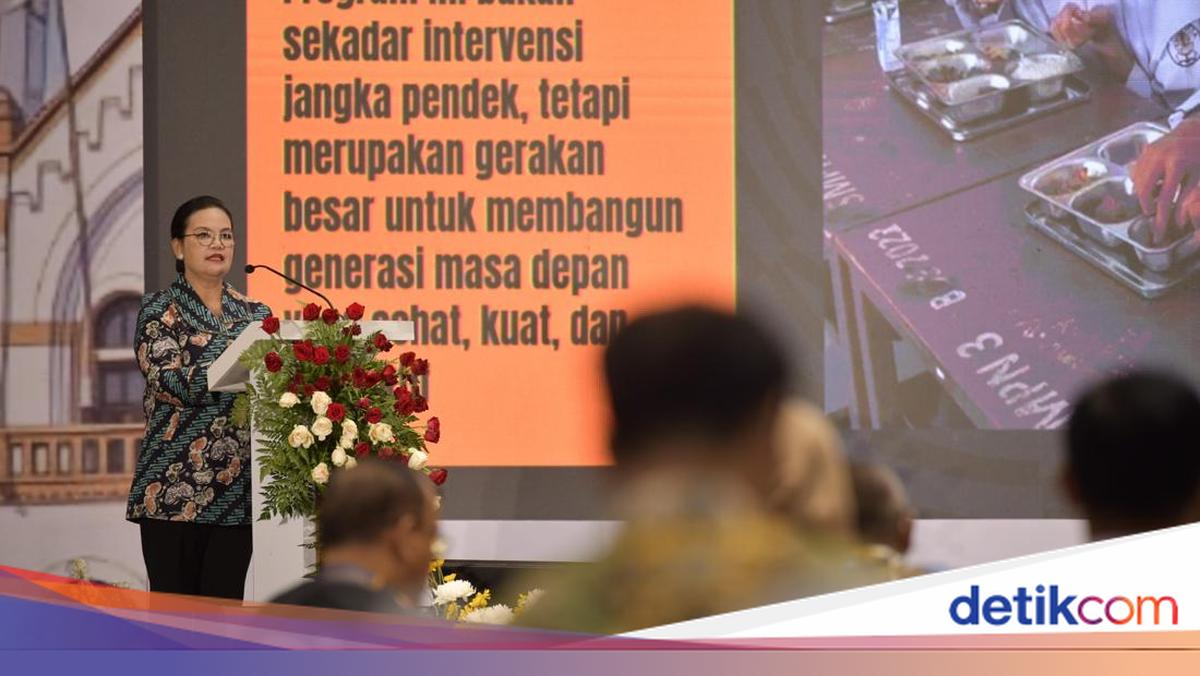
In her speech, Agustina emphasised that the MBG programme is not merely a short-term initiative but a major investment in human resource development towards a more advanced Indonesia.
“This programme is a collective movement to prepare a healthy, strong, and productive future generation. Nation-building must start with fulfilling basic needs, including adequate nutrition for the community,” she stated in a written release on Wednesday (29/4/2026).
Several strategic issues were the focus of discussions, such as strengthening the food supply chain, equitable distribution, and standardising menus according to the needs of each educational level.
Agustina added that multi-stakeholder collaboration is key to optimising programme implementation. Through this forum, it is hoped that more adaptive and applicable policy formulations will emerge in the field.
“We utilise this forum to exchange experiences, identify challenges, and adopt best practices from other regions, so that future MBG implementation becomes increasingly effective and on target,” she added.
As a form of commitment, the Semarang City Government has operationalised 174 SPPG units by 2026, reaching more than 281,000 beneficiaries. This achievement continues to be strengthened through the refinement of kitchen management systems and service distribution to make them more efficient and equitable.
Agustina emphasised that Semarang City’s participation in this forum is part of ongoing efforts to improve service quality.
“We continue to improve and are open to learning. This forum is an important opportunity to strengthen the system, while ensuring that MBG services can be felt equitably by the entire community,” she stated.
Meanwhile, Deputy for Provision and Distribution of the National Nutrition Agency of Indonesia, Suardi Samiran, stressed the importance of active roles by local governments in ensuring programme quality, particularly through supervision of Nutrition Fulfilment Service Units (SPPG).
“Local governments have an important role in ensuring food safety and quality. Regular supervision is needed so that the services provided truly meet standards,” he asserted.
This national dialogue was attended by representatives from the National Nutrition Agency, academics, local governments, and development partners, including international representatives from the Milan Urban Food Policy Pact (MUFPP). The forum serves as a space for sharing experiences and best practices, as well as formulating solutions to various implementation challenges of MBG in the regions.