
OpenAI Releases GPT-Rosalind, an AI Specialised in Biology Research and Drug Discovery
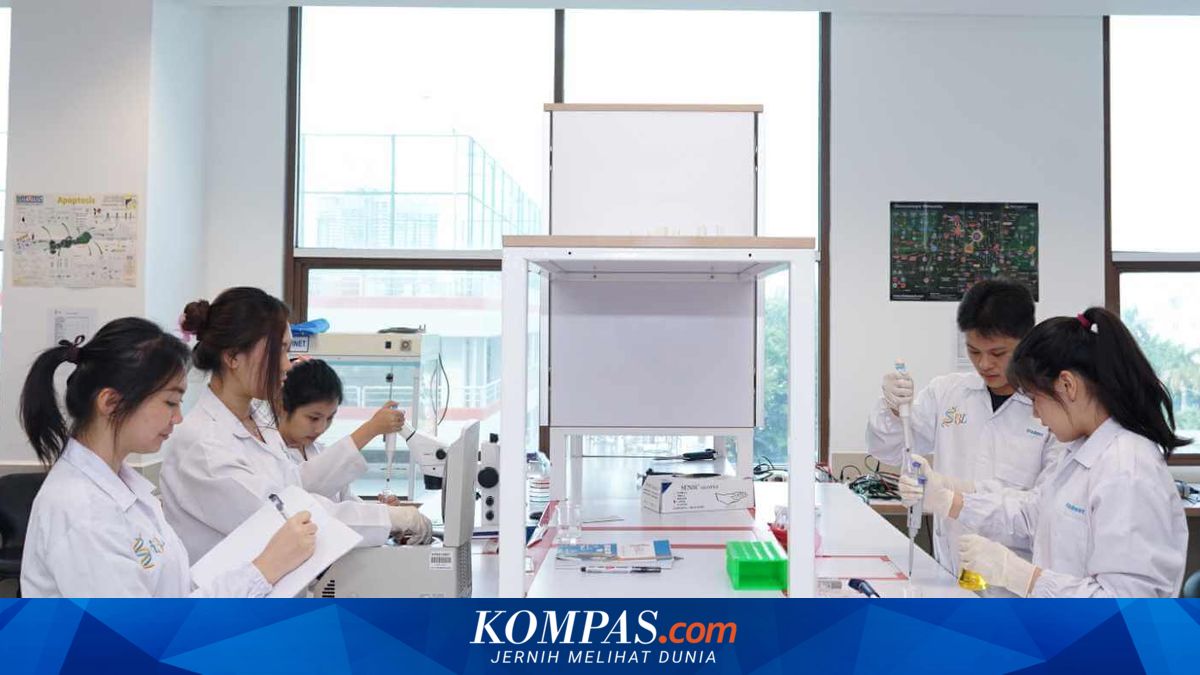
OpenAI, the artificial intelligence company, announced the GPT-Rosalind AI model on Thursday (16 April 2026) US time. This AI model is equipped with biological knowledge and robust scientific research capabilities, specifically designed to help life sciences researchers conduct studies. More specifically, GPT-Rosalind is intended to support research in biochemistry, drug discovery, and translational medicine. Moreover, demand for AI-powered tools to accelerate drug discovery and research has risen in pharmaceutical companies, academic institutions, and biotechnology firms. The parent company of the ChatGPT chatbot also boasts that with this AI model, researchers can search databases, read the latest papers, use other scientific tools, and suggest new experiments. GPT-Rosalind is inspired by the name of the 20th-century English scientist Rosalind Franklin, whose research helped uncover the structure of DNA and laid the foundation for modern molecular biology. The model is built on OpenAI’s latest internal model, though version details are not specified. To demonstrate its capabilities, OpenAI tested GPT-Rosalind on several benchmark platforms. On the BioBench platform, for example, which measures real-world data analysis and bioinformatics abilities, GPT-Rosalind recorded the highest performance compared to other models. Deeper testing was also conducted via LABBench2, which evaluates the model’s capabilities in various specific scientific tasks. As a result, GPT-Rosalind surpassed GPT-5.4 in six out of eleven tested tasks. The most significant improvement was seen in the CloningQA task, a scenario requiring the model to design reagents end-to-end for molecular cloning protocols. This is considered a complex process that typically requires high-level laboratory expertise. Regarding concerns about AI hallucinations, OpenAI emphasises that GPT-Rosalind is designed to synthesise evidence, generate hypotheses, and support analysis, not to replace expert judgement or real-world validation. Experts still need to be involved in decision-making. GPT-Rosalind is available in a research preview version in ChatGPT, Codex, and the API, for eligible customers. The AI model will be used by companies such as Amgen, Moderna, Thermo Fisher Scientific, and others. In addition to GPT-Rosalind, OpenAI has launched a free life sciences research plugin for Codex, enabling scientists to access more than 50 scientific tools and data sources.
Source: jawawa.id (https://jawawa.id/newsitem/openai-releases-gpt-rosalind-an-ai-specialised-in-biology-research-and-drug-discovery-1776408657)
Originally published by Kompas (https://tekno.kompas.com/read/2026/04/17/13020077/openai-rilis-gpt-rosalind-ai-khusus-riset-biologi-dan-penemuan-obat?utm_source=ABC&utm_medium=rss), translated from Indonesian