
OpenAI Launches ChatGPT for Teens with Youth Safety Features
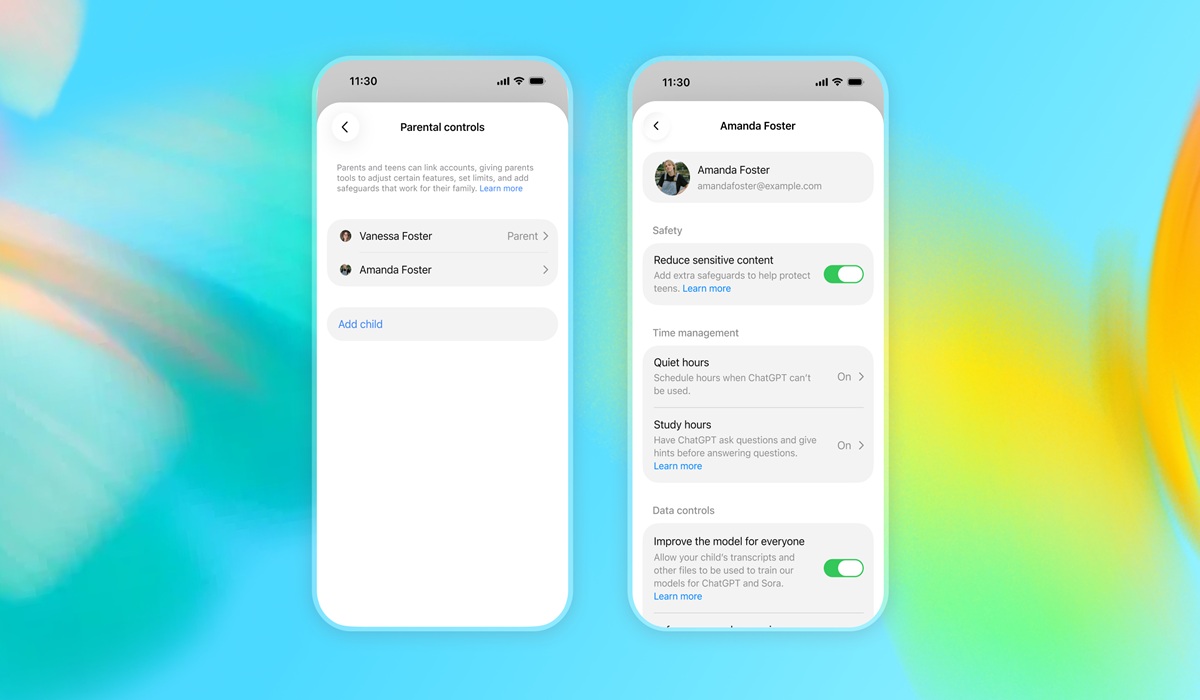
OpenAI has officially introduced ChatGPT for Teens, a new experience designed specifically for users under the age of 18. The innovation aims to provide young people with a space to explore artificial intelligence (AI) technology more safely, responsibly, and in a way that supports the learning process.
The system will be automatically applied to users identified as teenagers through ChatGPT’s age prediction feature. With age-appropriate protections active by default, OpenAI seeks to minimise the risk of exposure to content that is not suitable for their developmental stage.
Safety is the primary foundation in the development of ChatGPT for Teens. These protections are built on the Under-18 Principles in OpenAI’s Model Spec, which was developed with input from experts and child development scientists. The goal is to ensure that AI interactions remain healthy and educational.
Beyond content safety, OpenAI is also paying attention to mental health and screen time balance. The “Quiet Hours” feature and more frequent break reminders are expected to encourage teenagers to remain connected to real life and to support from trusted people around them.
Not merely a question-and-answer tool, ChatGPT for Teens is equipped with features that support academic work. Through Learning Visualisations, complex concepts can be explained with the help of interactive visuals, making them easier for students to understand.
OpenAI has also strengthened its Parental Supervision feature. Through a connected account, parents can receive notifications if high-risk interactions are detected.
In the near future, OpenAI plans to add specific warnings related to indicators of eating disorders to help parents provide medical or psychological assistance earlier if needed.
With the arrival of ChatGPT for Teens, OpenAI hopes that AI technology can become a creative and educational partner for the younger generation, while continuing to uphold high standards of safety and responsible technology use in the digital era.