
OpenAI CEO Sam Altman Abruptly Halts Political Donations Ahead of US Midterm Elections
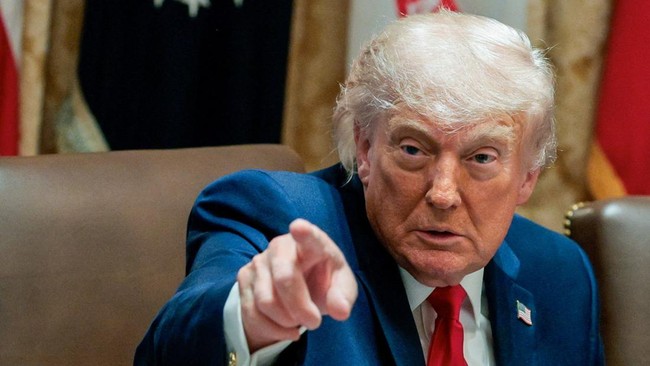
The administration of Donald Trump has been known for its close ties with United States technology giants. Trump has fiercely defended the interests of major tech firms, for instance by softening regulations related to artificial intelligence development, despite evidence of considerable harm to public life. Furthermore, Trump has shielded US tech giants facing pressure from the European Union through anti-monopoly regulations like the Digital Services Act (DSA) and the Digital Markets Act (DMA). On several trips abroad, he has even brought along top executives from major US tech companies to discuss potential investment, particularly in the AI sector. Many link Trump’s closeness to the US tech industry to the substantial contributions from SpaceX, Apple, Alphabet, Amazon, and others toward funding his 2024 election campaign, alongside support for some of his projects. However, one wealthy businessman has openly refused to spend money for the 2026 Midterm Elections. The Midterm Elections are quite crucial in the US; although they do not determine the presidency, they hold significant influence over the nation’s political direction by determining control of the legislature, or US Congress. Positions up for grabs include House of Representatives seats, Senate seats, and several governors and local officials. The elections also serve as a forum for the American public to evaluate the incumbent president’s performance, with a strong track record showing the ruling party almost always loses congressional seats. Sam Altman, the CEO of OpenAI, admitted he has no plans to contribute funding for the 2026 Midterm Elections. This stance is notably bold, given that many other Silicon Valley billionaires have already committed to funding the polls scheduled for November 2026. During a visit to Washington this week, Altman said he sympathised with those promising campaign contributions, but was firm he would not do the same. He argued that government politicians could not apply different standards to his company compared to its competitors. Altman added that if rivals attempted to use money to conspire against them, his firm must be able to fight back, though he wished to see the rules changed entirely and for money to no longer influence politics. Other prominent figures in the AI industry are known to have plunged into the political arena. Leading the Future, a super political action committee backed by OpenAI President Greg Brockman and the founders of Silicon Valley venture capital firm Andreessen Horowitz, is fighting to elect AI-friendly candidates. Tech giants broadly oppose emerging state-level efforts to limit AI and curb data centre construction. Meanwhile, polls indicate Americans are increasingly wary of AI due to concerns over job and environmental impacts. OpenAI has sought to distance itself from Leading the Future, which received a US$25 million donation from Brockman and his wife, stating in a blog post that it is not affiliated with the super PAC, which pushes for lighter AI regulation. OpenAI’s main rival, Anthropic PBC, gave US$20 million to a rival super PAC, Public First Action, which advocates for stricter AI safety regulation. Senator Bernie Sanders, an independent from Vermont, remarked after meeting Altman that the industry has US$300 million ready to use against any congressman who objects to their actions, calling it bad. He argued Congress has failed to defend the American people in the face of AI precisely because of the enormous sums of money involved. In a New York Times op-ed, Sanders called for legislation to create a sovereign wealth fund financed by a one-time 50 percent tax on large AI company shares, with proceeds distributed as payments to the public. Altman’s visit to Capitol Hill came as OpenAI lays the groundwork for an initial public offering later this year that could value the company at nearly US$1 trillion. Anthropic, meanwhile, filed confidentially for an IPO this week following a funding round valuing the firm at US$965 billion. The OpenAI co-founder also met other lawmakers, including Republican House Speaker Mike Johnson and Democratic Senate Leader Chuck Schumer. During his time in Washington, Altman also visited the White House for discussions with executive branch officials on the company’s regulatory agenda, a day after Trump signed an executive order calling for AI companies to voluntarily share cutting-edge models for government review before public release.