
OPEC+ Increases Production Again, Yet Oil Prices Strengthen
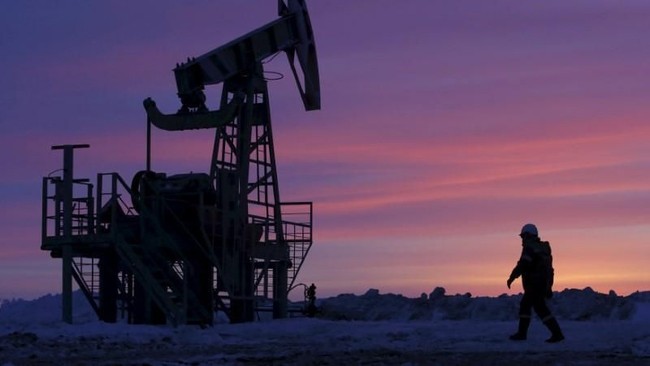
World oil prices moved slightly higher in early trading on Monday (6/7/2026), even as market participants digested the decision by the OPEC+ alliance of oil producers to once again raise production targets starting in August. Based on Refinitiv data as of 09.20 WIB, the price of Brent crude stood at US$72.24 per barrel, up 0.17% from Friday’s close. Meanwhile, West Texas Intermediate (WTI) was at US$69.00 per barrel, strengthening 0.45%. The increase occurred amid the prospect of growing global supply. At a meeting on Sunday (5/7), OPEC+ agreed to increase the production target by 188,000 barrels per day (bpd) starting in August. This addition follows increases of the same magnitude that were implemented in June and July. However, the additional production is not expected to immediately flood the market. In recent weeks, production in several Gulf countries has still been in a recovery phase after the Iran-Israel conflict disrupted oil shipments through the Strait of Hormuz. The disruption previously limited exports from major producers such as Saudi Arabia, Iraq, and Kuwait, meaning actual production remains below quota. IG market analyst Tony Sycamore assessed that the OPEC+ decision was essentially in line with market expectations. Meanwhile, the UAE’s exit from OPEC and the post-conflict normalisation process mean the impact of the quota increase on real supply is considered relatively small in the near term. Reuters data showed that OPEC production in June surged by about 3.3 million barrels per day compared to the previous month, reaching 19.43 million barrels per day, recovering from its lowest level in more than two decades. Oil exports from Gulf countries also rose by more than 3 million barrels compared to May, exceeding 10 million barrels per day, although the volume was still about 40% below pre-war levels. Outside the Middle East, Russian supply is also a market focus. Crude oil shipments from Russia’s western ports hit a record high in June and are expected to remain at that level throughout July. The increase in exports occurred after Ukrainian drone attacks damaged several Russian refineries, causing more crude oil to be diverted to export markets. With the recovery of Gulf exports, the OPEC+ production target increase, and the surge in Russian exports, the market now views the risk of a global supply shortage as increasingly easing. These factors serve as a counterbalance amid the ongoing recovery of energy shipping activity in the Middle East region.