
OPEC+ Agrees to Increase Production, Will Oil Prices Calm Down?
Jakarta, CNBC Indonesia - The Organization of the Petroleum Exporting Countries and its allies, or OPEC+, has agreed to increase the oil production quota by 206,000 barrels per day for May 2026. However, this increase is considered more symbolic amid the limited capacity of several major members to boost production due to the conflict in Iran.
The agreement was reached during a virtual meeting attended by eight OPEC+ members, namely Saudi Arabia, Russia, Iraq, the United Arab Emirates (UAE), Kuwait, Kazakhstan, Algeria, and Oman.
In an official statement, OPEC+ stated that it will continue to monitor global market conditions. “These countries will continue to closely monitor and assess market conditions as part of ongoing efforts to support market stability,” the statement read, quoted by Al Jazeera on Monday (6/4/2026).
OPEC+ also highlighted the impact of attacks on energy infrastructure. “Restoring damaged energy assets to full capacity requires significant costs and time, thereby affecting overall supply availability,” the statement continued.
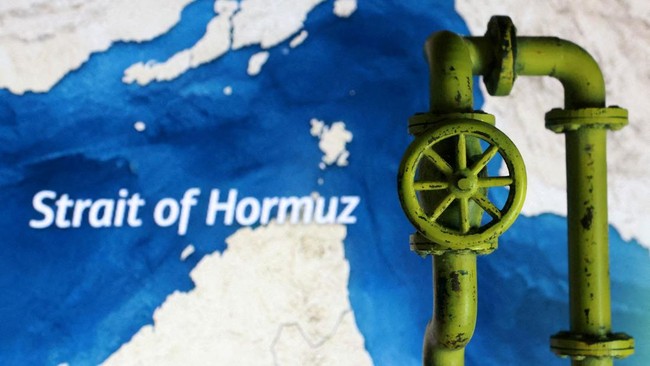
This production increase occurs amid disruptions to global oil distribution due to the conflict involving the United States (US) and Israel with Iran. The tensions have blocked the Strait of Hormuz since late February, a vital route for world oil distribution, and have pressured exports from major producing countries such as Saudi Arabia, the UAE, Kuwait, and Iraq.
Nevertheless, the additional production covers less than 2% of the total supply disrupted by the strait closure. An OPEC+ source told Reuters that this step reflects the group’s readiness to increase production if the route is reopened.
Global crude oil prices have surged to their highest level in four years, approaching US$120 per barrel. This rise has directly impacted a spike in global transportation fuel prices.
Even financial institution JPMorgan has warned that oil prices could exceed US$150 per barrel if supply disruptions continue until mid-May.
The current supply disruptions are estimated at 12 to 15 million barrels per day, or about 15% of total global supply.