
Only Rupiah and Rupee Resist Dollar Surge as Yen Plumbs Depths
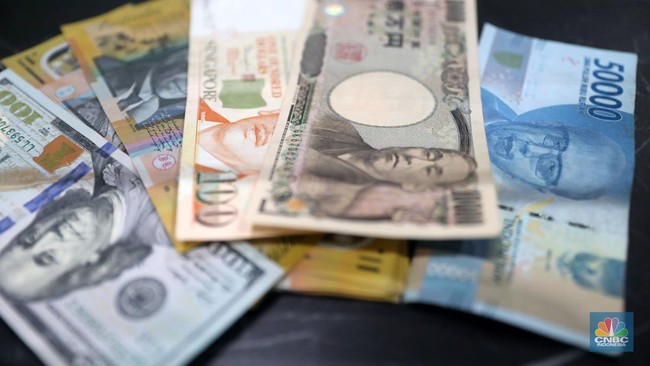
Jakarta, CNBC Indonesia - Most Asian currencies tumbled this week, but the Indonesian rupiah and Indian rupee proved exceptions. The rupiah ended Friday’s trade weaker against the US dollar, closing at Rp17,750/USD, a depreciation of 0.42% on the day, pressured by a strengthening greenback in global markets. The dollar index breached the 100 level, indicating continued demand for dollar-denominated assets and limiting the upside for other currencies. Despite the daily loss, the rupiah posted a sharp 0.51% weekly gain, supported by Bank Indonesia’s decision on Thursday to raise its benchmark interest rate by 25 basis points to 5.75%. The central bank said the move was a pre-emptive step to strengthen rupiah stabilisation and keep inflation within the government’s 2.5±1% target range for 2026 and 2027. BI also tightened foreign exchange rules, cutting the limit for outright foreign currency purchases against the rupiah without an underlying transaction to US$10,000 per entity per month, effective 1 July 2026. The Indian rupee was Asia’s top performer, surging 0.83% for the week. It recorded its best weekly gain in 11 weeks, driven by foreign inflows into the bond market and Reserve Bank of India measures to attract dollar flows. The rupee closed steady at INR 94.32 per dollar after earlier gains were capped by the dollar’s broader strength. The Malaysian ringgit suffered heavy pressure, weakening 1.91% over the week. Dr. Mohd Afzanizam Abdul Rashid, Chief Economist at Bank Muamalat Malaysia Bhd, said the prospect of higher US interest rates supported the dollar and weighed on Asian currencies, including the ringgit. The Chinese yuan also fell to a weekly low as markets grew more convinced the Federal Reserve would raise rates later this year. The Fed held rates at 3.50-3.75% on Wednesday but signalled firmly that a hike is coming, with nine of 19 officials projecting higher rates by year-end. The dollar’s surge pushed the Japanese yen near its weakest level since July 2024, with the greenback briefly touching JPY 161.8, close to the yen’s lowest in 40 years. Speculation is mounting that Tokyo will intervene to support the currency as it did in 2024. Pressure on the yen persists despite the Bank of Japan raising its policy rate on Tuesday by 25 basis points to 1.0%, the highest borrowing cost in more than three decades. The BoJ acted amid rising inflationary pressure from global energy prices, judging that inflation risks could push price growth beyond its 2% target. The rate hike marks a firmer stance against inflation after years of ultra-loose policy and an effort to curb yen weakness driven by the wide interest rate gap with other advanced economies, particularly the United States.