
Only 3 Months Left Until 2026: Subsidised Housing Distribution Reaches 44%
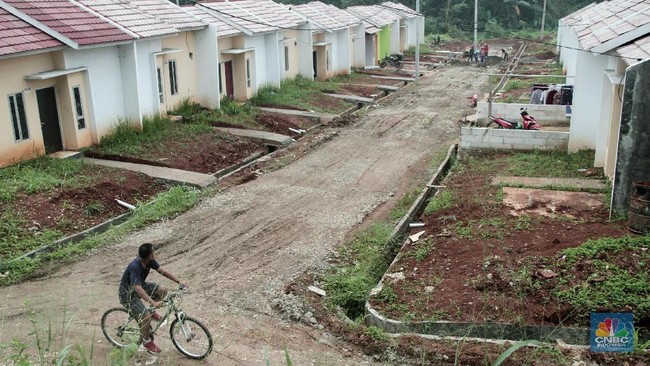
The government still faces a massive task to catch up with the target of distributing 350,000 subsidised housing units through the Housing Finance Liquidity Facility (FLPP) scheme for 2026. As of 21 September 2026, realisation has only reached 154,034 units, or approximately 44% of the annual target.
This means there are still about 196,000 units to be achieved within an effective period of about three months until the end of the year. The government has requested the Public Housing Savings Management Agency (BP Tapera) to accelerate distribution to ensure the established targets are not missed.
“Regarding subsidised houses alone, how many have been achieved as of today this year? 154,000 units,” said the Minister of Housing and Residential Areas (PKUP), Maruarar Sirait, during a performance evaluation and FLPP strategy meeting at the BP Tapera office in Jakarta on Monday (21/9/2026).
The government is targeting a mass signing of 71,000 subsidised houses on 17 December 2026 in East Java. This agenda serves as one of the efforts to accelerate distribution ahead of the year-end closing. The plan for the mass signing of 71,000 units on 17 December was previously communicated by the government.
“But there are only 3 months left,” said Ara.
The large discrepancy between realisation and the target means that acceleration does not solely depend on the construction of new houses. The government is also encouraging the distribution of subsidised low-cost apartments (rumah susun) and seeking housing stock sources that can be utilised more quickly.
Maruarar requested BP Tapera to be more transparent in mapping targets and distribution realisation. According to him, every department within the institution must have clear targets so that distribution shortfalls can be addressed immediately.
“There must be targets and realisation. Who does what, and where. Therefore, I believe the Tapera Commissioners and the management must work more proactively, more intelligently, harder, more detailed, and oriented towards regulations and work results,” he said.
In addition to landed houses, the government also sees potential for distribution through subsidised apartments. Several projects identified as having potential include the Manggarai area in Jakarta and Meikarta in Cikarang.
“Because the target jump is significant. Perhaps 220,000 people… a revision of IT, a revision of human resources, a revision of mindset, a revision of everything,” said Ara.
Maruarar also requested that acceleration should not only chase the number of signings but must be conducted with proper recording and processes in accordance with regulations. The government wants all available quotas to be distributed to low-income communities before the end of the fiscal year.
“So the core issue is human resources. Human resources that can overcome problems so that the target is achieved,” he concluded.