
Only 1.23 Percent of Indonesian Companies Provide Daycare Facilities for Workers
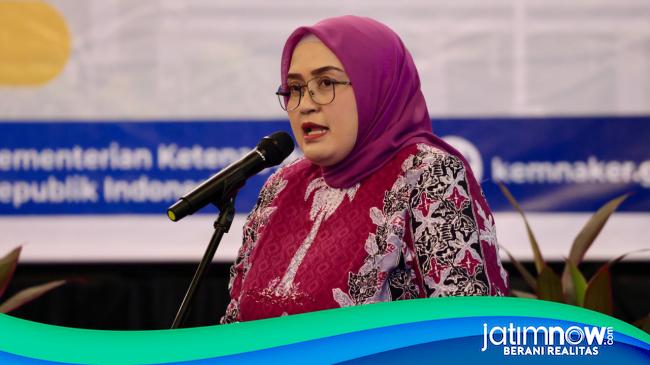
Childcare facilities in the workplace remain scarce in Indonesia. Data from the Ministry of Manpower shows that as of 31 May 2026, only 3,222 companies, or 1.23 percent of over 262,000 registered firms, provide such services. The limited availability of daycare is a key concern for the government as it promotes Family Friendly Workplace (FFW) policies to strengthen industrial relations. Indah Anggoro Putri, Director General of Industrial Relations and Social Security Development at the Ministry of Manpower, stated that implementing FFW does not necessarily require every company to build its own daycare facility. She noted that companies can adapt schemes according to their respective conditions and capabilities. Alternatives include establishing shared daycare centres in industrial estates or office complexes, providing childcare vouchers or subsidies, and partnering with community-based daycare providers. “Worker welfare facilities, including childcare, must be understood as strategic instruments to enhance national productivity,” Indah said in a written statement on Tuesday (14/7/2026). She added that the presence of daycare not only assists workers in fulfilling their parental roles but also has the potential to increase employee productivity and loyalty. Furthermore, such facilities can broaden female workforce participation, reduce employee turnover, and support early childhood development as a future human capital investment. Indah emphasised that developing workplace childcare services is part of the national development strategy, aligned with various regulations, including the Manpower Law, Law Number 4 of 2024 on Maternal and Child Welfare, and the long-term national development direction. “We aim to build industrial relations that are not solely oriented towards economic productivity but also uphold human dignity. Daycare is not merely a worker welfare facility; it is a strategic investment for productivity, corporate competitiveness, and the quality of the next generation towards a Golden Indonesia 2045,” she concluded.