
Online Giving Remains Low, Baznas Says It Is Not a Setback
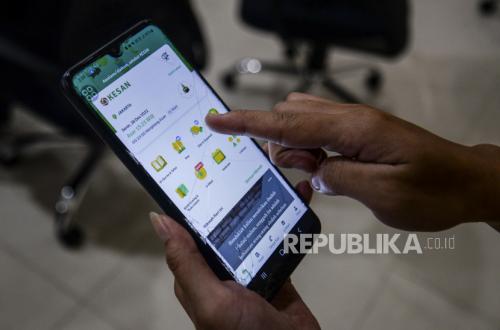
The National Zakat Board (Baznas) of Indonesia assesses that the low usage of digital platforms for almsgiving does not represent a regression. Instead, this phenomenon reflects the sociological reality of the Indonesian Muslim community, which still views almsgiving as a spiritual experience deeply rooted in emotional connection.
The Vice Chairman of Baznas RI, Zainut Tauhid Sa’adi, stated that the majority of Muslims in Indonesia do not merely transfer funds when giving alms, but also seek to experience inner happiness through direct interaction with the beneficiaries.
“As the leadership of the National Zakat Board (Baznas), we view this data and phenomenon not as a regression, but as a sociological reality and a significant challenge for zakat management institutions in this digital era,” said Zainut when contacted by Republika.co.id on Tuesday (9/6/2026).
According to him, there is an emotional bond that makes people feel more satisfied when they can directly witness the smiles of happiness from the mustahik, or beneficiaries. Furthermore, direct meetings between donors and recipients provide a sense of certainty regarding the validity of the almsgiving contract from a Fiqh (Islamic jurisprudence) perspective.
On the other hand, Zainut acknowledged that the low use of digital channels serves as an evaluation for zakat management institutions. He noted that issues regarding trust remain, causing the public to doubt whether funds distributed online truly reach the intended recipients.
“This 95 per cent figure serves as an evaluation for us that the digital ecosystem of Islamic philanthropy still faces major challenges in terms of transparency and accountability. The public is still concerned about whether the money they click on their mobile screens truly reaches the hands of those entitled to it,” he said.
Consequently, Baznas is committed to strengthening the transparency and accountability of its digital services. Zainut stated that the agency will continue to audit digital systems and provide more transparent, real-time, and personalised distribution reports for muzaki (donors).
He added that Baznas will not force a rigid digital transformation. The strategy adopted will be to blend the convenience of technology with the warmth of direct interaction, which has long been an essential part of the culture of Islamic philanthropy.