
Online Gambling Surge Shakes Stock Market, Government Intervenes
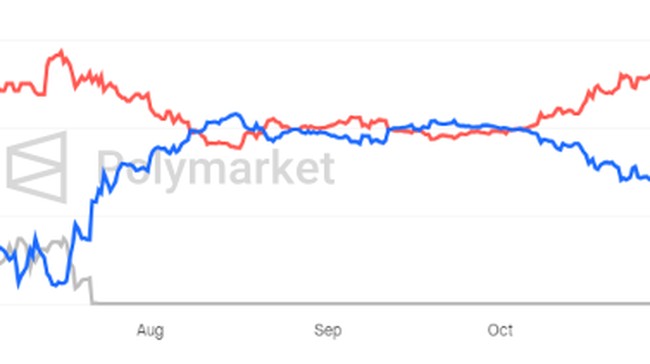
Prediction markets, frequently referred to as another form of ‘online gambling’, are now starting to impact the stock trading of American companies, such as Tesla and Apple. This development has triggered concerns regarding investor protection and market oversight.
Prediction markets, pioneered by platforms such as Polymarket and Kalsh, were initially known as places to place bets on various events, ranging from sports and elections to military operations. However, over the past year, these platforms have begun offering tens of thousands of contracts related to stock movements, corporate data, and various corporate events that can influence share prices.
Although their size remains small compared to the actual stock market, these stock-based prediction markets are creating new avenues for speculation on US securities outside of the various investor protection rules and oversight mechanisms applicable in regulated exchanges. A number of legal experts warn that the rapid growth of these products has the potential to disrupt underlying stock trading and make it difficult for regulators to monitor the market.
“This is a new frontier for market structure. This is innovation on steroids,” said Yesha Yadav, Associate Dean at Vanderbilt University Law School, as quoted by Reuters. She added that regulators must act immediately to address these new products.
On the other hand, Polymarket and Kalshi stated that they are monitoring potential violations, routinely reporting cases to US authorities, and working alongside regulators. “Market integrity is at the core of how we operate,” said a spokesperson for Polymarket. The company also claimed to be working hard to block US-based users from their international platforms.
The US Securities and Exchange Commission (SEC) declined to comment, while the US Commodity Futures Trading Commission did not respond to requests for comment from Reuters. Nevertheless, both agencies have previously stated they are reviewing existing rules regarding prediction markets related to stocks.
Polymarket International launched markets for individual stocks last October. Based on analysis prepared by blockchain research firm Allium, traders had placed bets worth more than US$220 million across approximately 31,000 markets related to equities as of early September. Nearly 60% of that value was placed on markets related to individual stock movements, with Nvidia, Alphabet (Google’s parent company), Apple, and Tesla being the most popular. The remainder was bet on markets based on ETFs or stock indices, according to Allium’s findings.
Traders typically place “yes” or “no” bets on whether a stock or index will reach a specific price level on a predetermined date. One digital wallet identified by Allium even recorded a transaction volume of US$175,000 through approximately 1,300 trades involving Apple stock.
While primarily aimed at retail customers, prediction markets are now also attempting to attract institutional investors by marketing event contracts as an alternative way to hedge against traditional economic and market risks. Unlike conventional stock markets, prediction markets allow investors to trade 24 hours a day and freely express various views regarding a company and its financial performance.
Source: jawawa.id (https://jawawa.id/newsitem/online-gambling-surge-shakes-stock-market-government-intervenes-1790729550)
Originally published by CNBC Indonesia (https://www.cnbcindonesia.com/tech/20260929145338-37-771834/judol-menggila-guncang-pasar-saham-pemerintah-turun-tangan), translated from Indonesian