
Online Gambling Hub at Hayam Wuruk
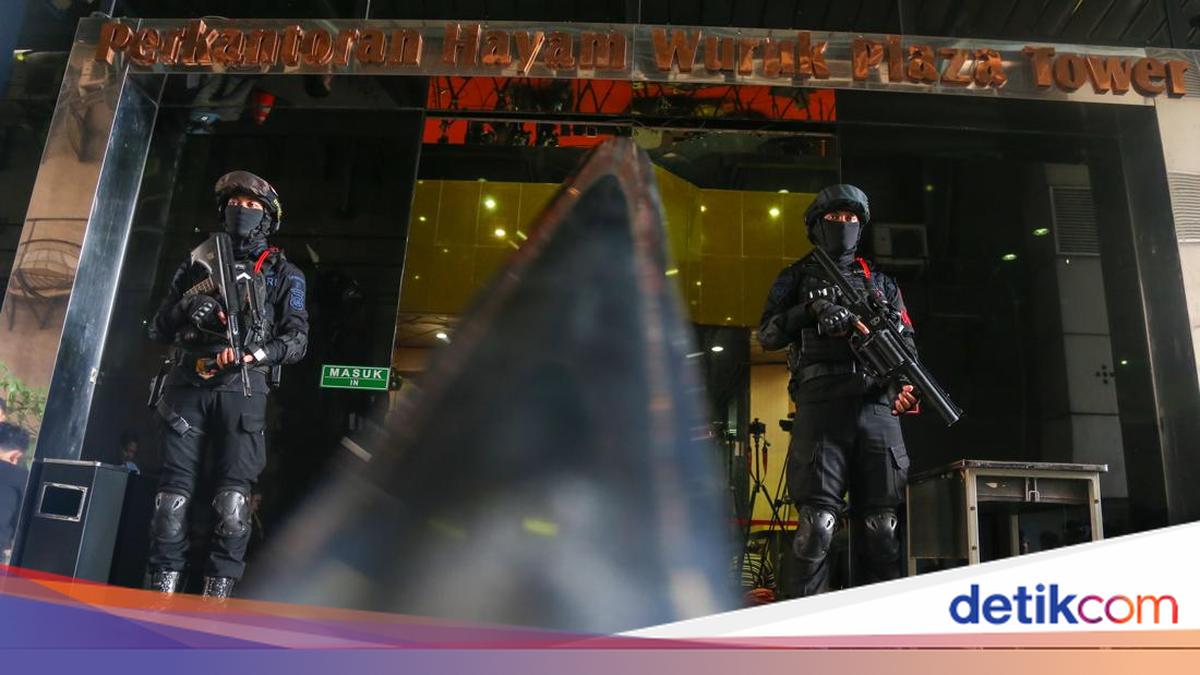
The 20th and 21st floors of Hayam Wuruk Plaza Tower in West Jakarta are now quiet. The top two floors, which days earlier were raided by Bareskrim Polri for allegedly serving as the operational hub for online gambling, appear closed and almost devoid of activity. Rooms previously used by hundreds of operators over two months are now empty.
Earlier, Bareskrim and Polda Metro Jaya raided the top floors of the building and arrested 320 foreign nationals suspected of involvement in online gambling operations. Police seized computers, mobile phones, and various work equipment used to manage dozens of online gambling sites.
Secretary of the National Central Bureau (NCB) Interpol Indonesia, Brigadier General Untung Widyatmoko, disclosed that the handling of the arrested foreign nationals in Hayam Wuruk Plaza Tower was not deportation per se. They are being processed through cross-border investigative cooperation mechanisms.
“And I have contacted Interpol, the Interpol offices of the countries from which the nationals originate to conduct limited investigations into Indonesia, to assist the Indonesian National Police in uncovering,” Untung told detikX.
He stressed that the step has been communicated to all countries of origin for the foreigners involved. Of the total, investigators have named 275 people as suspects, while the remainder are still undergoing further examination by authorities.
The suspects are not from one country alone, but come from several Asian nations. The majority are from Vietnam (228), followed by China (57), Myanmar (13), Laos (11), Thailand (5), with Malaysia and Cambodia each contributing three.
The foreign nationals suspected of involvement in cross-border online gambling remain detained at the Immigration Detention Centre (Rudenim) while undergoing further questioning by Bareskrim.
The status of the 275 foreign nationals arrested was from the outset not as victims, but as members of a cross-border online gambling network. Untung regards the case as involvement undertaken knowingly within a system that is well run and structured.
“If you ask me, these are criminals,” he said.
He firmly rejected the possibility that they could be classified as trafficking in persons.
“None of them are TPPO victims. There are no victims of trafficking in persons,” he said by phone.
Images show some foreigners caught red-handed operating cross-border online gambling in Hayam Wuruk offices, Jakarta, Saturday (9 May 2026).
In the course of the investigation, the foreign nationals were not depicted as being lured or duped; instead, they were described as fully understanding the work they were doing within the network.
“They were aware that they would commit fraud. They were aware that they would engage in online gambling,” Untung said. That awareness, he added, is the key to removing the grey area around victims.
He described the practice as part of a cross-border criminal network rooted in technology and connected. From love scams and scams to online gambling, they all exist within the same ecosystem.
“This is online gambling, one branch of transnational crime in the IT field… all from the same family,” he said.
He added that the work pattern inside was structured, with roles divided among operators, customer service representatives, and system managers operating in a single workflow. Within that framework, he emphasised that all these activities remain crimes and must be accounted for.
He described the relocation of the perpetrators as a direct consequence of large-scale operations in Cambodia. When networks there began to be pressured, some members dispersed to other countries, including Indonesia.
“Yes, as I said before, they dispersed from Cambodia,” Untung said.
He explained that the crackdown there disrupted the online gambling and scamming operations, causing a shift in locations.
He said this pattern is not unique to Indonesia; similar patterns have also appeared in other parts of Southeast Asia, which have networks of similar activities.
Places such as Myawaddy in Myanmar and the border regions of Thailand-Myanmar were cited as points that had also been part of the ecosystem.
In his explanation, the relocation was not merely a migration of actors but a shift of networks that had already been formed. In each new location, the pattern that is carried forward remains the same: an orderly structure, clear division of roles, and an operational model that follows the same scheme in different places.
Images show some foreigners caught red-handed operating cross-border online gambling in Hayam Wuruk offices, Jakarta, Saturday (9 May 2026).
Cybersecurity expert Alfons Tanujaya regards the phenomenon of shifting cybercrime networks from the ‘grey’ area at borders like Myanmar-Cambodia to Indonesia as indicating a more organized pattern than mere criminal flight.
According to him, the public has long assumed that hubs of such crimes lie in areas outside state control. Yet the findings in Indonesia actually show that these networks can adapt and move to regions that are relatively open and digitally connected.
“If, for example, there are 321 people who cannot speak Indonesian at all, staying in one area for two months and not being detected, that raises big questions,” Alfons told detikX.
He argues this indicates gaps in local or administrative oversight.
Alfons also highlights immigration aspects that require a sharper reading of these movement patterns. He says many