
One Word for Gold Prices: Disappointing!
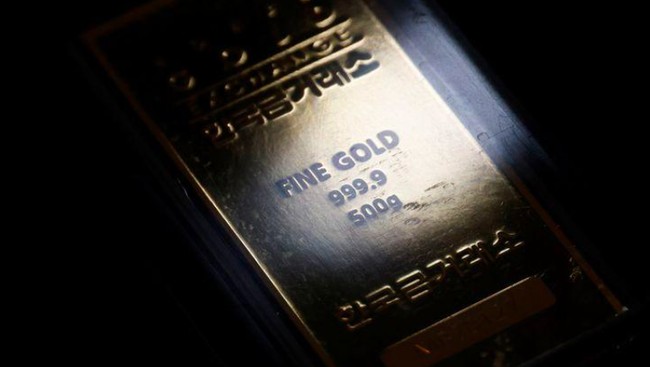
Gold prices reversed course to weaken during Wednesday’s trading (3/30/2026) amid rising energy prices, even as United States inflation data came in lower than anticipated.
According to Refinitiv, gold prices closed at US$ 4,155.99 per troy ounce on Wednesday, representing a 0.6% decline. This downturn follows a 1.6% increase recorded on Tuesday.
The downward trend continued into Thursday (10/1/2026), with prices slipping 0.04% to US$ 4,154.21 per troy ounce. Over the course of September 2026, gold prices fell by 6.57%, ending a positive streak spanning the previous two months.
“With energy prices rising, bonds have lost their gains and are once again weighing on precious metals. It has been a disappointing day for gold,” said Tai Wong, an independent metals trader, as quoted by Refinitiv.
The Personal Consumption Expenditures (PCE) price index rose by 3.4% annually in August, slowing down from 3.7% in the previous month. Economists surveyed by Dow Jones had previously predicted that inflation would remain at the 3.7% level.
More encouraging data was observed in the core PCE, which excludes food and energy prices. Core PCE rose by 3% annually, down from 3.3% in the previous month and lower than economist forecasts.
This data has lowered expectations for a Federal Reserve interest rate hike in October. According to the CME FedWatch Tool, the market now sees a 39% probability of an October rate hike, down from 45% prior to the PCE release. However, the probability of a rate hike in December remains high at 90%.
The US dollar continued to strengthen, reaching 101.45, its highest level since July 2026. This condition makes gold, which is priced in dollars, more expensive for buyers using other currencies.
On the other hand, oil prices rose and could potentially see further increases following the deadlock in US-Iran talks aimed at ending the war. During Wednesday’s trading, Brent crude rose 0.9% to US$ 103.53 per barrel, while WTI surged 1.2% to US$ 90.42 per barrel.
Persistent concerns regarding high energy prices could prolong inflationary pressures and encourage monetary policy to remain tight.