
One NIK for all data: South Kalimantan strengthens social system
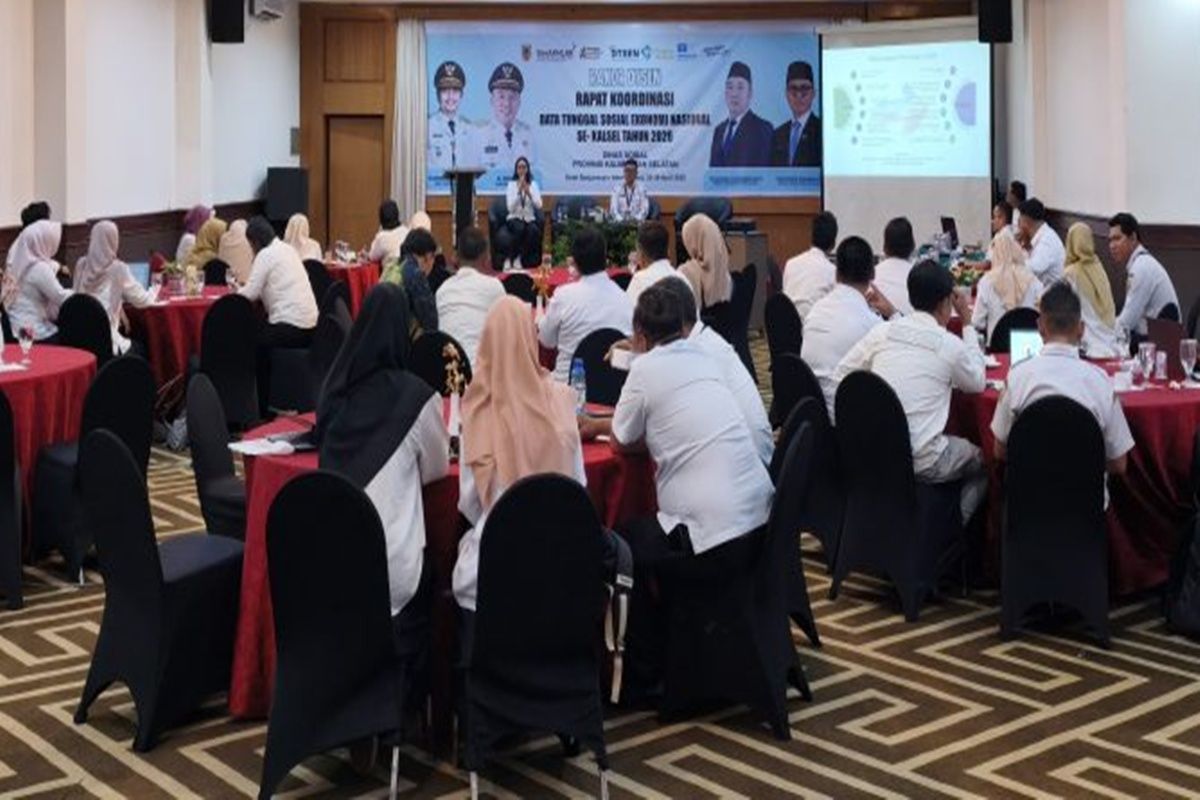
The South Kalimantan provincial government is targeting data integration based on the Population Identification Number (NIK) to support more targeted community welfare programmes. Head of the Data Management Statistics Section at the Communication and Informatics Office (Diskominfo) of South Kalimantan Province, Muhammad Hidayatullah, in Banjarbaru on Thursday, stated that the registration of the National Single Social and Economic Data (DTSEN) account, involving the Regional Development Planning Agency (Bappeda), has been completed and is now entering the data entry stage. “We hope that DTSEN can connect cross-sectoral data needs, including the Health Office, based on residents’ NIK. Thus, the data on ID cards will truly be useful in supporting community welfare,” he said. He explained that NIK-based data integration is expected to resemble the system in the taxation sector, making data utilisation more efficient and measurable. To date, he continued, there are still sectoral data that stand alone and are not interconnected between agencies. Therefore, the presence of the South Kalimantan Data Portal is expected to bridge data needs between regional work units (SKPD) while supporting the strengthening of DTSEN implementation. “The current development indeed still has a lot of data in several SKPD that are not interconnected. The hope is that this data portal can serve as a connector between agencies,” he stated. In addition to integration issues, the lack of understanding among technical implementers of the system also poses a challenge in the field. For this reason, socialisation and coordination meetings are deemed important to strengthen understanding and synchronisation between agencies. “Alhamdulillah, we have already registered the DTSEN account consisting of Bappeda and Diskominfo. The account has been activated and, insyaallah, we will follow up from this meeting to fill in the required data,” he said. Through increasingly mature data integration, the government hopes that various programme interventions, both in social and health sectors, can run more effectively and on target for the people of South Kalimantan.