
One-Day WFH to Save Fuel: Aria Bima Says It Should Not Be the Sole Solution
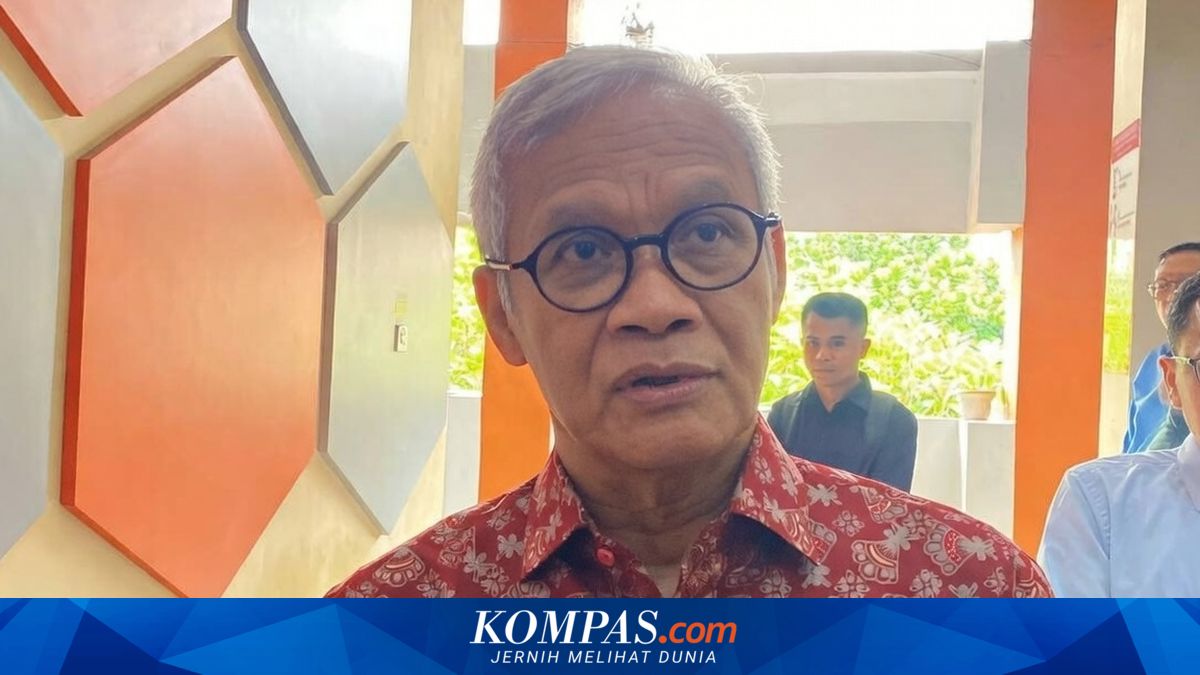
JAKARTA, KOMPAS.com - Deputy Chairman of Commission II of the DPR from the PDI-P faction, Aria Bima, has emphasised that the work-from-home (WFH) policy for one day per week for civil servants (ASN) and private sector workers must not become the sole solution for saving fuel (BBM).
This policy is deemed to require thorough study to avoid disrupting public services.
“This idea can be considered good as a short-term tactical step, but it must not be treated as the sole solution to the problem of high oil prices,” Aria told Kompas.com on Tuesday (24/3/2026).
However, he stressed that the primary goal must remain improving organisational performance without reducing the quality of services to the public.
Aria views the government’s idea as positive as long as its implementation is selective and not applied uniformly.
In his opinion, for ASN whose work is administrative, based on digital documents, or back-office, the one-day WFH policy per week is still quite rational to implement.
However, a different approach must be taken for ASN working in face-to-face services, field operations, or essential sectors.
He reminded relevant ministries to ensure public services continue to run optimally and emphasised that this regulation is not an additional holiday.
“The implementation of FWA (Flexible Working Arrangement) or WFH must be adjusted to the characteristics of services in each agency, as many services still require physical presence,” Aria explained.
Regarding the private sector, Aria urged the government to be more cautious and not hasty.
If this policy targets the private sector, he suggested it would be more appropriate in the form of recommendations or sectoral incentives, rather than uniform obligations for all types of companies.
He cited examples such as manufacturing, logistics, retail, and health industries, which have different characteristics from the digital sector.
In his view, forcing all private sectors to implement WFH could have negative impacts if not based on clear evaluation parameters.
“If the government wants this policy to be strong, what is needed now is not just announcements, but open impact studies and clear evaluation parameters,” he added.
Meanwhile, the government has assured that the plan to implement a one-day weekly WFH scheme will not apply to all work sectors.
“Let me clarify that it will apply to certain sectors. To avoid misunderstanding, for example, the services, industry, and trade sectors may not be part of this policy,” said Prasetyo at the Merdeka Palace.