
One-Day Weekly WFH Post-Eid to Apply to Both Civil Servants and Private Sector
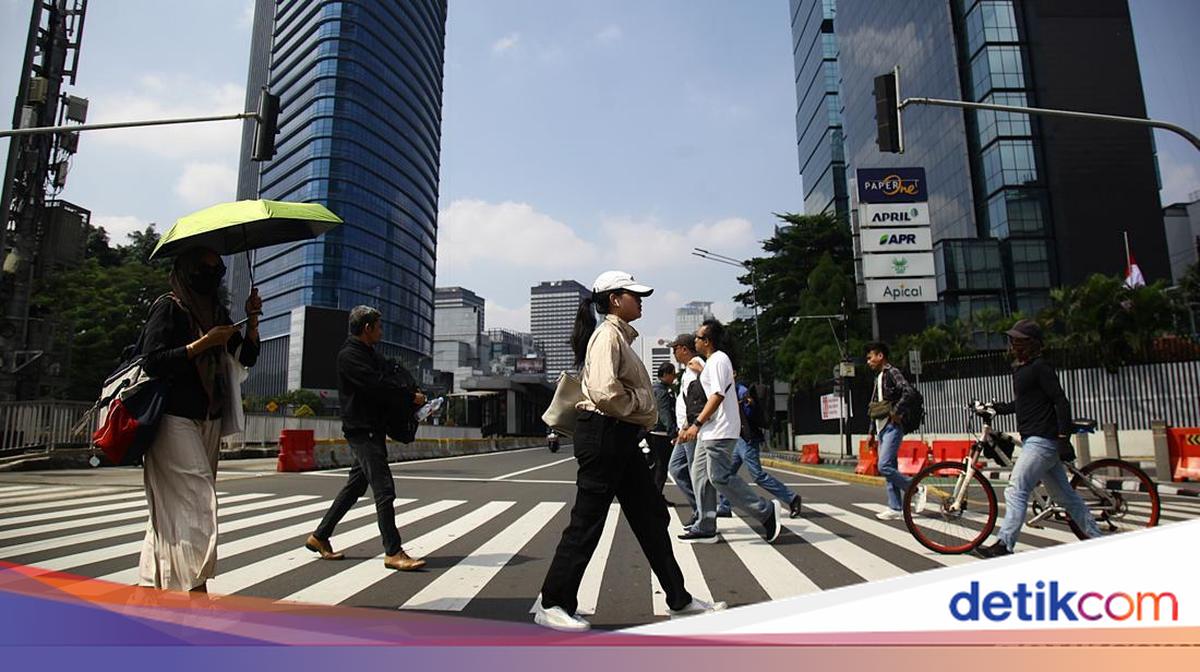
The government will implement a work-from-home (WFH) policy for one day per week after Eid, following budget efficiency measures due to the Middle East conflict. Not only for civil servants (ASN), the government hopes that private companies will also adopt the WFH policy.
“Then, the last point regarding the study is that with high oil prices, efficiency in working hours is needed. Flexibility for work from home will be opened for one day in five working days,” said Coordinating Minister for the Economy Airlangga Hartarto after a meeting with President Prabowo Subianto at the Presidential Palace Complex, Jakarta, on Thursday (19/3/2026).
“Well, the technical details are being prepared, because it is hoped that this will not only apply to ASN but also to the private sector and regional governments,” he continued.
The WFH policy will take effect after Eid. However, Airlangga has not specified the exact implementation date.
“After Eid, but we will determine the timing later,” he said.
His side is currently preparing the technical implementation. The government will provide further information later.
“Well, we are preparing all of this again, and once the concept is mature, we will immediately inform the public in more detail,” he added.
Regarding the duration of the policy, Airlangga also did not elaborate. According to him, the WFH policy will adjust to the developing situation in the Middle East.
“We will see the situation. The oil price situation, the war situation. So we will follow the developing situation,” he said.
With this policy, Airlangga revealed significant savings in fuel use. He stated that the government will save one-fifth of the daily fuel consumption.
“Because there are savings in terms of what, the use of mobility from petrol, the savings are quite significant, one-fifth, one-fifth of what we usually spend,” he said.