
One-Day-Weekly WFH Policy for Ministry of Religious Affairs Civil Servants: Secretary General Emphasises Discipline and Professionalism
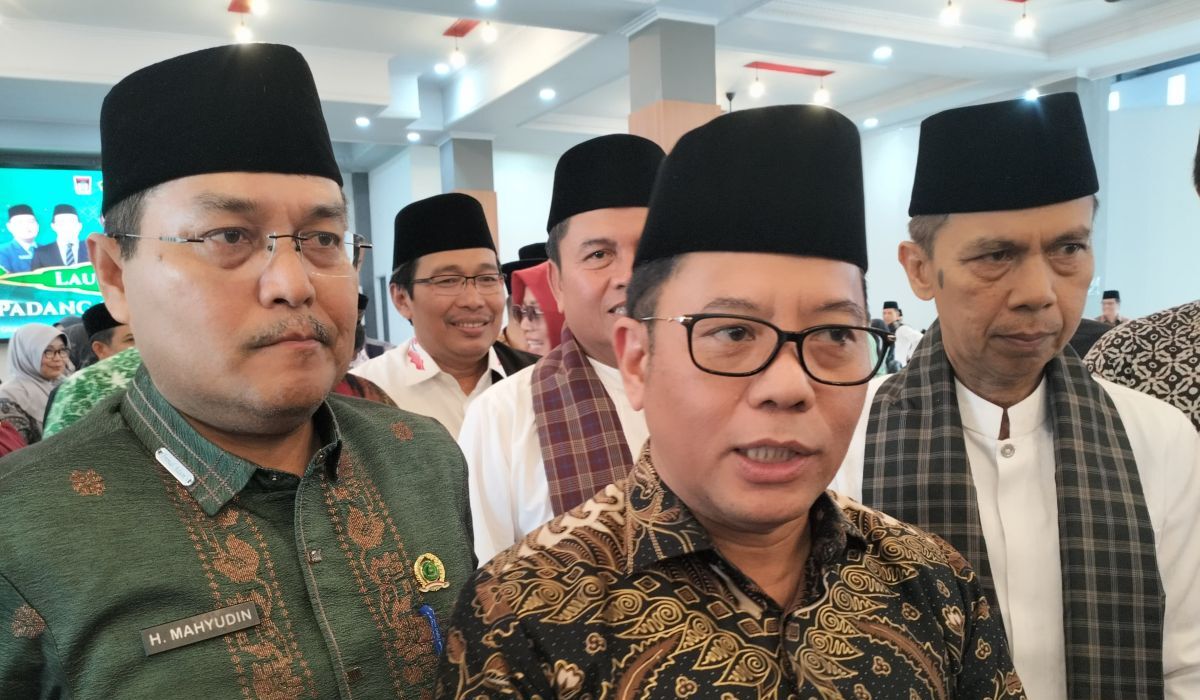
Alongside the launch of the Work Culture Transformation and Energy Efficiency Policy from 1 April 2026, the Ministry of Religious Affairs (Kemenag) has officially introduced a work-from-home (WFH) scheme every Friday. Secretary General of Kemenag, Kamaruddin Amin, issued firm instructions for all Civil Servants (ASN) to uphold discipline and professionalism during the implementation of this one-day-weekly WFH policy.
Kamaruddin emphasised that this policy is a strategic step towards building an adaptive work culture, while prioritising strict control and accountability.
In his statement on Wednesday (1 April), the Kemenag Secretary General highlighted the fundamental difference between working from home and working from anywhere. He urged ASN to genuinely remain at their residences during working hours.
“It must be underlined that this WFH is not Work From Anywhere. This means employees truly work from home in a standby status,” stressed Kamaruddin Amin.
According to Kamaruddin, this remote working system actually demands greater responsibility. He instructed superiors to develop a structured work system to ensure work output remains objectively measurable.
One key focus is “Digital Discipline”. ASN are required to always be responsive to official coordination through communication devices.
“It is ensured that all staff’s mobile phones must be active. When contacted by superiors, they must be ready. There is no excuse for not responding on the grounds of being on WFH. Digital discipline is the key to the success of the new work pattern going forward,” he added.
In addition to the technical aspects of working from home, Kemenag is also focusing on strengthening administrative governance. All bureaus within Kemenag are asked to ensure every policy remains aligned with applicable legal provisions to avoid potential maladministration.
Through the implementation of this policy, Kemenag targets a more flexible and responsive bureaucracy in providing services to the public, especially in maintaining productivity momentum post-Ramadan. Integrity remains the primary foundation in carrying out this new work culture transformation.