
One Day Per Week WFH: How Will the Social Assistance Distribution Scheme Work?
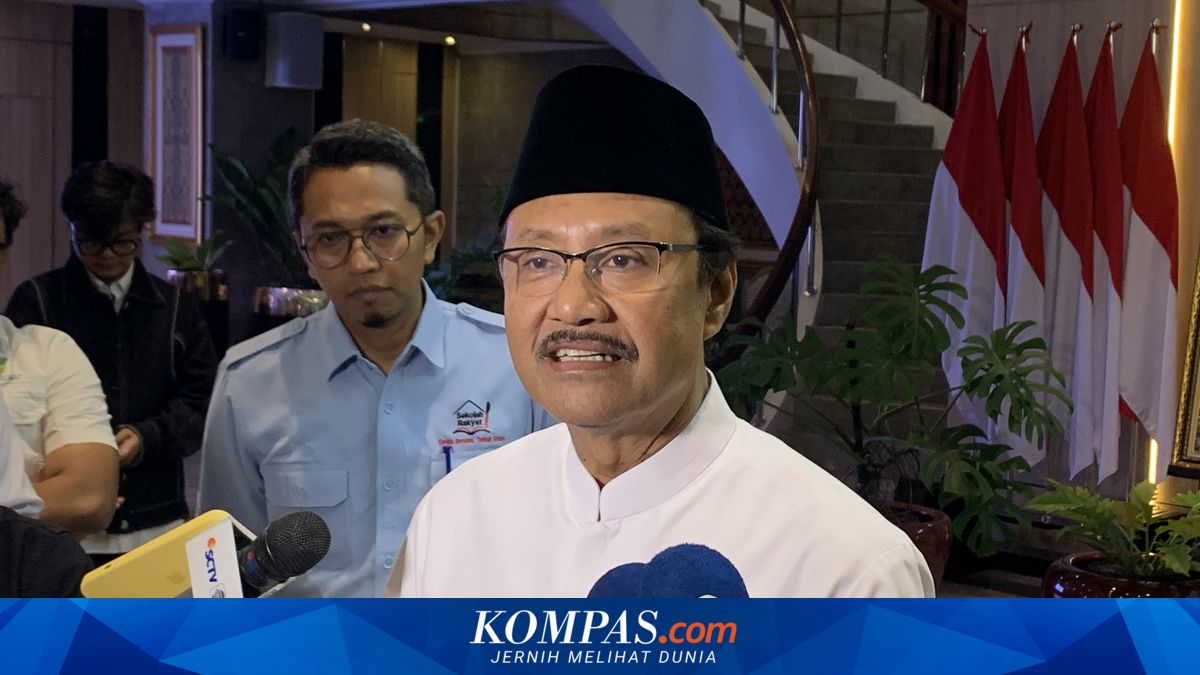
Social Minister (Mensos) Saifullah Yusuf has confirmed that there is no change to the distribution scheme for regular social assistance (bansos) under the Program Keluarga Harapan or Bantuan Pangan Non Tunai (BPNT) following the implementation of a one-day-per-week Work From Home (WFH) policy.
“The scheme remains the same for now. We distribute through Himbara and PT Pos. That’s how it is for the time being. No changes yet,” Saifullah said when met at the Ministry of Social Affairs office in Central Jakarta on Wednesday evening (1/4/2026).
Gus Ipul, as the Social Minister is affectionately known, stated that his ministry is actually receiving data from the Central Statistics Agency (BPS) more quickly than before.
The data on social assistance beneficiary families (KPM), previously received on the 20th at the start of each quarter, has now been advanced to the 10th, namely 10 April, 10 July, and 10 October.
With more time for distribution, Gus Ipul hopes that the percentage of social assistance disbursements will continue to increase despite the one-day-per-week WFH policy.
“So in the third week, perhaps. We start in the third week of this April (for the second quarter bansos distribution),” he said.
Previously, Interior Minister Tito Karnavian issued Circular Letter Number 800.1.5/3349/SJ on the Transformation of Civil Servant Work Culture in Regional Government Environments.
The circular is a follow-up to the government’s policy of implementing work from home (WFH) for civil servants (ASN) in regional government scopes.
In addition to the education sector, echelon I and II officials in the regions, sub-district heads, village heads/sub-district heads, and public service sectors are exempted from the WFH policy.
At the provincial level, high-ranking middle and primary leadership officials are also required to work from the office even though the WFH policy is in place for ASN.
Meanwhile, at the district/city level, exemptions from WFH also apply to primary high-ranking leadership officials, administrators or echelon III, sub-district heads, village heads, and village heads.