
One Day of Weekly WFH Could Save the State Rp6.2 Trillion
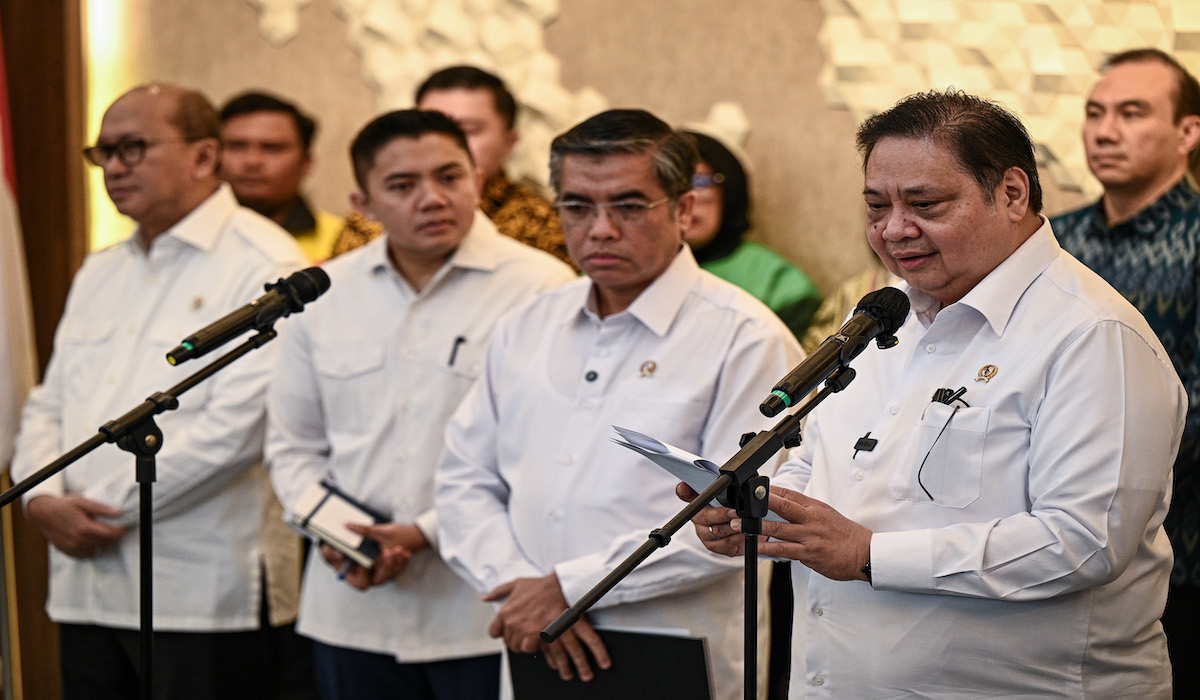
Government-promoted work-from-home (WFH) policies are projected to have a significant impact on national budget efficiency and reducing energy consumption. The government estimates that implementing WFH could save the State Revenue and Expenditure Budget (APBN) up to Rp6.2 trillion, mainly from decreased fuel oil (BBM) compensation. On the other hand, public BBM expenditure could also decrease significantly. “Total public BBM spending could potentially be saved up to Rp59 trillion,” stated Coordinating Minister for the Economy Airlangga Hartarto during an online press conference on Tuesday (31/3). According to Airlangga, this saving potential aligns with reduced daily mobility. WFH is considered an effective instrument to curb national energy consumption and expenditure. Alongside this policy, the government is also accelerating state spending restructuring through prioritisation and refocusing of ministry/institution budgets. Spending deemed less productive, such as official travel, meetings, ceremonial activities, and non-operational expenses, is redirected to programmes with direct benefits for the public, including disaster rehabilitation and reconstruction. The value of this refocusing is estimated at Rp121.2 trillion to Rp130.2 trillion. In its implementation, WFH for Civil Servants (ASN) is applied one day per week, every Friday, through a circular from the Minister of PAN-RB and the Minister of Home Affairs. This policy is accompanied by other efficiency measures, such as limiting the use of official vehicles to 50% (excluding operational and electric vehicles), and reducing domestic official travel by 50% and overseas by 70%. The government is also encouraging the use of public transport and strengthening digital-based work systems. For local governments, directives have been issued to expand car-free day implementations according to regional characteristics. Meanwhile, WFH implementation in the private sector will be regulated by the Ministry of Manpower, considering each sector’s needs. However, this policy does not apply to public service sectors and strategic sectors. Health, security, cleanliness services, as well as industrial, energy, food, transportation, logistics, and financial sectors are still required to operate normally. In the education sector, teaching and learning activities for primary to secondary levels continue face-to-face five days a week. For higher education from the fourth semester upwards, policies will be adjusted according to the relevant ministry.