
One Data Saves Lives: Surabaya Integrates Health Information to Build a Smarter City
In the emergency room, time is often more valuable than medicine. A delay of just a few minutes can determine whether a patient receives immediate treatment or must be shuttled from one hospital to another because the wards are full. This problem is not merely a matter of service capacity, but also of disconnected information.
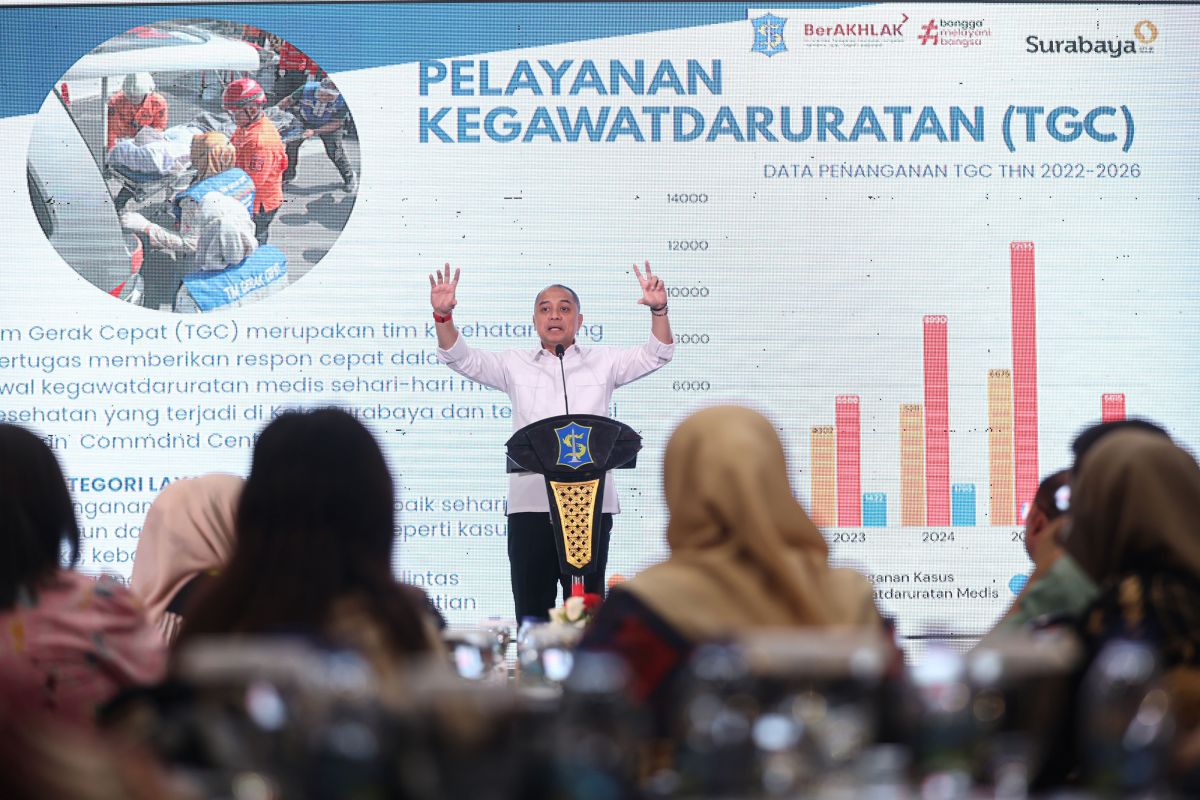
The city of Surabaya, East Java, is now attempting to address this challenge through a fundamental step: unifying health data. The municipal government has integrated 69 hospitals into the Surabaya Health One Data system, enabling real-time monitoring of bed availability, healthcare personnel, ambulances, and overall service capacity. Simultaneously, electronic medical records from community health centres and hospitals are being consolidated into a connected system.
This seemingly simple idea reflects a major shift in how health services are perceived. For years, hospitals, community health centres, and the government operated with their own separate datasets. Consequently, critical decisions often relied on manual reports, telephone calls, or even rough estimates. Yet public health challenges are growing increasingly complex. Indonesia is undergoing an epidemiological transition where infectious diseases have not yet been fully eradicated, while non-communicable diseases such as diabetes, hypertension, heart disease, and cancer continue to rise. This situation demands a health system capable of reading changes swiftly, rather than merely reacting when hospitals are already overwhelmed.
The World Health Organization (WHO) identifies health information systems as one of the main pillars for strengthening health services. Meanwhile, the Ministry of Health, through its SatuSehat platform, is building a national health data integration system to make services more efficient and sustainable. In this context, Surabaya’s initiative is noteworthy because it translates national policy into practice that is closer to the needs of its citizens.