
Oncologist: Cancer Patient Life Expectancy Rising Thanks to Precision Therapy
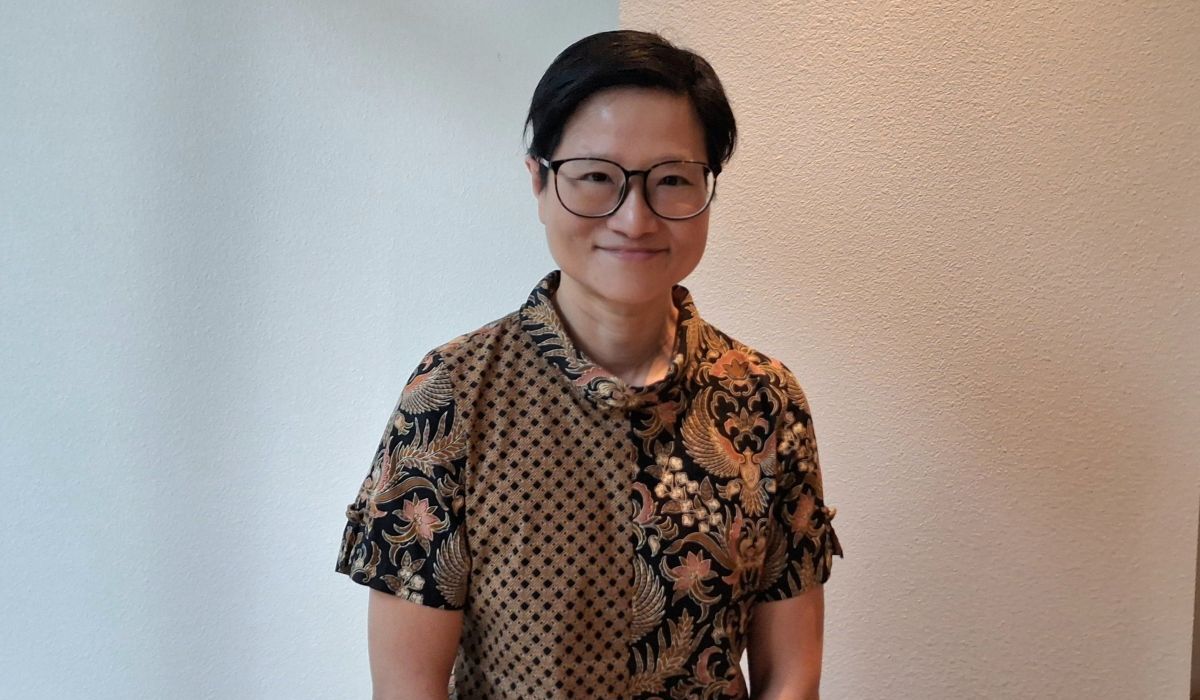
An oncology specialist from Singapore’s Parkway Cancer Centre, See Hui Ti, has expressed optimism about current cancer survival rates, saying patients’ life expectancy continues to rise significantly thanks to advances in medical technology and increasingly precise cancer treatment methods.
At a media discussion in Jakarta on Thursday (16 July), Dr See explained that although global cancer cases are on an upward trend, therapeutic advances now allow patients to survive much longer. “Many patients can live more than 10–15 years after diagnosis because treatment has become increasingly precise,” she said.
Despite rapid advances in medical technology, Dr See reminded the public to remain vigilant about lifestyle risk factors, highlighting the close link between insulin levels, obesity and certain types of cancer.
She emphasised the importance of maintaining an ideal body weight through balanced nutrition, particularly for women, in order to prevent cervical and breast cancer. She noted, however, that an ideal weight is personal and influenced by genetic factors.
“Losing weight from obese to normal is very helpful. However, those who are already normal do not need to become overly thin. For women over 50 or post-menopausal, staying slim offers better risk protection,” she added.
Regarding cervical cancer prevention, Dr See urged parents to ensure their children receive HPV vaccination in line with government recommendations as the primary protective measure.
Beyond physical factors, psychological aspects also play a crucial role in the recovery process. Based on her clinical experience, Dr See asserted that prolonged stress can trigger the recurrence of cancer cells.
Common stress triggers include household conflicts, family problems and long-term emotional pressure. For this reason, she said, current medical approaches focus not only on physical therapy but also on helping patients manage their psychological condition to achieve optimal recovery.