
On World Food Day, Pertamina Patra Niaga Strengthens Food Security in Bali
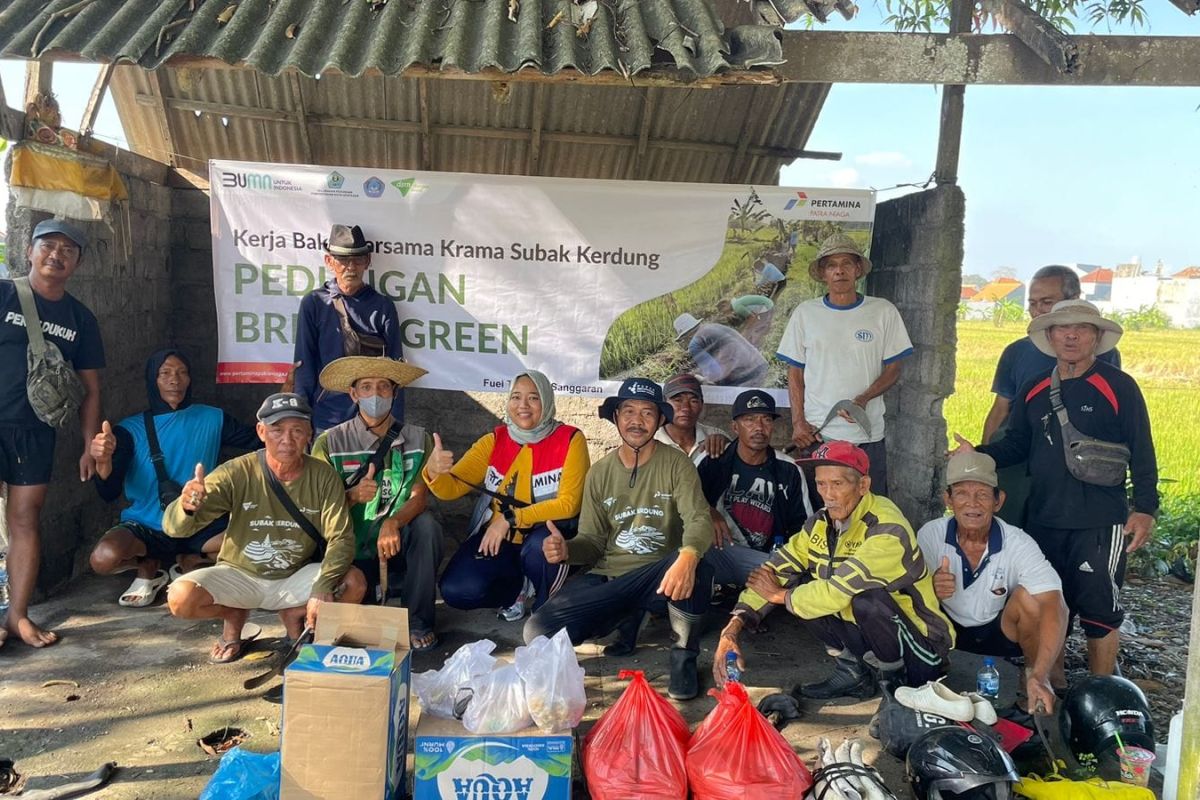
Jakarta (ANTARA) – PT Pertamina Patra Niaga is strengthening food security by empowering farmers in Bali to mark World Food Day, which falls on 16 October 2026.
Ahad Rahedi, Area Manager for Communications, Relations and CSR at Pertamina Patra Niaga’s Jatimbalinus Regional Office, said in a statement in Jakarta on Friday that the commitment was being delivered through the Pedungan Bright Green programme, supported by the Sanggaran Fuel Terminal (FT) since 2023, and the Jejaring Ulakan programme, supported by the Manggis Integrated Terminal (IT) since 2022.
The two social and environmental responsibility (TJSL) programmes have been developed to optimise local potential, protect the agricultural environment, and improve the capacity and welfare of local communities.
“These efforts reflect the importance of sustainable food production, supported by natural resource management and active community involvement,” Ahad said.
Pedungan Bright Green focuses on improving the environmental quality of the subak, strengthening irrigation systems and sustainably increasing farmers’ incomes. Subak is Bali’s traditional community-based irrigation system.
The initiative is expected to help meet the irrigation needs of farmland, sustain farmers’ activities and strengthen local food production.
I Nyoman Mudarsana, the pekaseh, or subak leader, and head of the Pedungan Bright Green farmers’ group, welcomed Pertamina Patra Niaga’s support for sustainable agriculture in the area.
“We hope this programme can continue to improve the subak environment, strengthen irrigation systems and increase farmers’ incomes. With the agricultural environment protected and irrigation improved, we hope farming can continue sustainably and help ensure food availability for the community,” he said.
Meanwhile, the Jejaring Ulakan programme involves the Satya Luih Lestari and Nampo Sari women farmers’ groups (KWT) in areas near the company’s operations.
The programme promotes local agricultural potential by building group capacity, establishing greenhouses and developing agricultural products.
Through this support, the women’s groups are expected to become more self-reliant and productive, make better use of local resources and gain economic benefits from their agricultural activities.
“Jejaring Ulakan gives women farmers’ groups the opportunity to continue developing local agricultural potential. With this support, we hope the groups will become more self-reliant and productive and be able to make the most of what is available,” said I Made Suma Mergantini, a programme facilitator.
He also said he hoped the agricultural activities would benefit the local economy while helping to maintain food security sustainably.
Ahad added that food security requires collaboration among various parties through strengthening agriculture, protecting the environment and empowering communities.
“World Food Day is a reminder that food security must be supported by sustained efforts, including protecting the agricultural environment and strengthening the role of communities,” he said.
Through the Pedungan Bright Green and Jejaring Ulakan programmes, Pertamina is seeking to support food security in several ways, from improving agricultural environments and strengthening irrigation systems to developing local potential and empowering farming groups.
“We hope these ongoing programmes will continue to promote community self-reliance, improve farmers’ welfare and deliver lasting benefits for the environment and surrounding communities,” Ahad said.