
On Santri Day, Kiai Cholil Nafis Reflects on How Pesantren Teach Economic Independence and Resilience
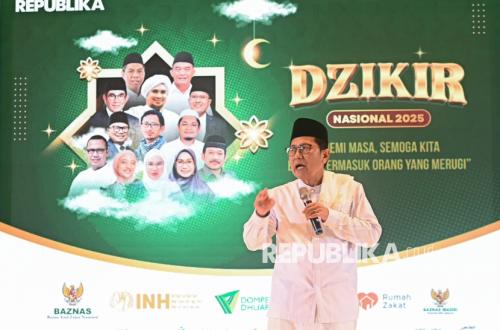
JAKARTA — The 2026 National Santri Day observance has provided an opportunity to reflect on the significant role pesantren education plays in shaping the character of the nation’s younger generation.
Muhammad Cholil Nafis, deputy chairman of the Indonesian Ulema Council (MUI), said a core value instilled by pesantren traditions is economic independence, together with the resilience needed to face life’s challenges.
Cholil shared his personal experience of studying at a pesantren, where discipline and independence were cultivated from an early age.
“I learnt to be independent when I left home while I was still in primary school. First, I was taught to wash my own clothes, then fold them and tidy my toiletries. Those things may seem simple, but they made us much more independent,” he said, as quoted by Republika from MUI Digital on Thursday (22 October 2026).
Alongside daily discipline, Cholil highlighted how he learnt financial independence through small tasks, such as managing a very limited allowance.
He said managing a monthly budget as a santri laid the foundation for his ability to support himself and remain financially independent later in life.
“What made me more independent was managing money. I used to receive 25,000 rupiah a month, and it had to last the whole month because there would be no more money sent. At first, because I had what seemed like a lot of money, I kept buying snacks and had spent it all before even half the month had passed. That taught me to manage my spending so that 25,000 rupiah would last for a month,” he recalled of his time as a young santri.
He said the basic financial-management lessons he learnt at the pesantren had a lasting impact, including after he completed his education.
After leaving the pesantren, he said, he was no longer financially dependent on others, including his parents. Santri are accustomed to earning their own living and coping in any economic circumstances.
“After leaving the pesantren, I was almost no longer dependent on anyone, including my own parents. We could become economically independent with ease, earn our own money and, of course, be ready for any situation,” Cholil said.
Cholil explained that life at a pesantren builds not only financial independence but also mental toughness. Santri are taught to live simply and prepare for even the worst situations, so they are not easily shaken by changes in their circumstances.
“We are ready for uncomfortable conditions — by that I mean poverty or hardship. I have a habit now of sleeping wherever I feel sleepy. I don’t need a comfortable place or a mattress. I can sleep at the side of a room, in a prayer room, even beneath a clothesline. That is a habit from the pesantren, and it helps us face the realities of life more comfortably,” he said.
The ability to adapt to a simple lifestyle, he said, serves as a spiritual and psychological safeguard. Santri with strong mental resilience will not become arrogant when they achieve economic success, nor will they be shocked or lose hope when they encounter difficult times.
“When Allah grants us economic means, we do not become arrogant because we know we have experienced hardship. When we face difficulties, we are not taken by surprise because we are used to living simply. This character education gives us a clear direction and sound guidance throughout life,” Cholil said.
Cholil, who chairs the management board of the MUI National Sharia Council, said that amid rapid change and the challenges of modernisation, pesantren must preserve their essence as centres of character education grounded in religious values.
Responding to public scrutiny over several recent cases at pesantren, he urged their managers to engage in self-reflection and strengthen measures to prevent violence and bullying.
The head of Pondok Pesantren Cendekia Amanah in Depok, West Java, stressed the importance of maintaining public trust in pesantren, which have a long history of producing prominent figures and national heroes.
“Pesantren can produce presidents, ministers and even freedom fighters. The Jihad Resolution was a framework of values developed by pesantren to build and defend Indonesia’s independence,” he said.
Source: jawawa.id (https://jawawa.id/newsitem/on-santri-day-kiai-cholil-nafis-reflects-on-how-pesantren-teach-economic-independence-and-resilience-1792655478)
Originally published by Republika (https://khazanah.republika.co.id/berita/tnasc8430/refleksi-hari-santri-kiai-cholil-nafis-pesantren-mengajarkan-kemandirian-ekonomi-dan-ketangguhan), translated from Indonesian