
On Kartini Day, MenPPPA affirms commitment to Asta Cita for empowering women
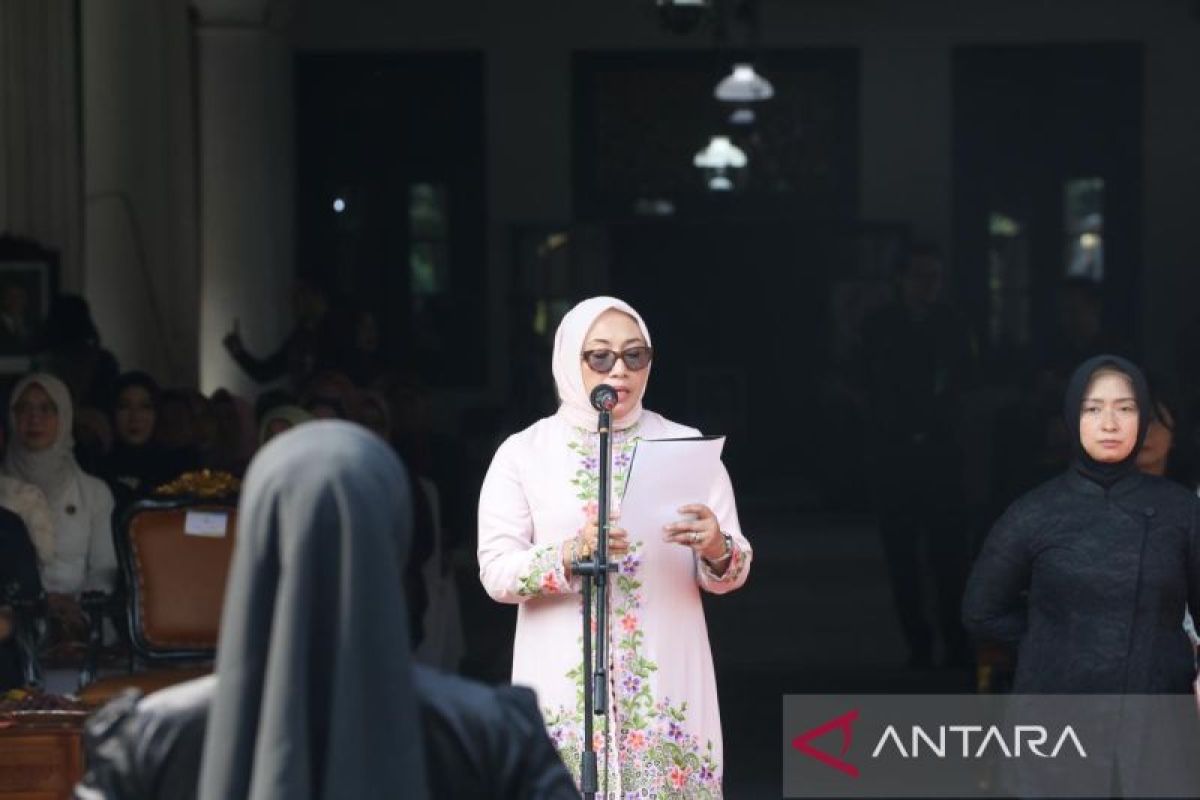
Jakarta (ANTARA) - Minister for Women’s Empowerment and Child Protection Arifah Fauzi emphasised that the state continues to strive to strengthen women’s empowerment through the direction of national development policies, one of which is enshrined in the fourth Asta Cita of the President and Vice President of the Republic of Indonesia. “This commitment positions women as an important part of development. Therefore, women’s empowerment efforts need to be carried out synergistically by all elements of the nation, from central and regional governments, the business world, civil society organisations, academics, media, to communities,” said Minister PPPA Arifah Fauzi in a statement in Jakarta on Wednesday. According to her, the essence of Raden Ajeng Kartini’s struggle remains relevant and provides inspiration for Indonesian women to this day. “More than a century after R.A. Kartini voiced her ideas, we have seen various advancements. Women are no longer solely carrying out domestic household roles, but have also stepped forward in fulfilling their public functions. The state has provided broad space for women through affirmative policies and an anti-discrimination spirit. The private sector also shares the same spirit,” stated Arifah Fauzi. Such challenges appear in various forms of inequality in access, participation, control in the implementation of development processes, and the benefits received by women from development outcomes. Arifah Fauzi encouraged all stakeholders to ensure that women have equal access, participation, control, and benefits in all development sectors. In this way, women are not only beneficiaries, but also empowered subjects capable of determining the direction and future of the nation. “R.A. Kartini’s spirit today is not only about opening access, but also ensuring that women have choices, have a voice, and have control over their lives,” said Minister Arifah Fauzi. She also invited all parties to continue strengthening joint steps in ensuring that every woman receives quality and gender-responsive health services; guaranteeing that every girl can access and complete education without barriers; and opening wider spaces for women to participate in development in various sectors.