
Ombudsman urges Immigration and Corrections Ministry to evaluate prison governance
Jakarta (ANTARA) - The Ombudsman of the Republic of Indonesia (ORI) has called on the Ministry of Immigration and Corrections (Imipas) to carry out a comprehensive evaluation and overhaul of correctional governance.
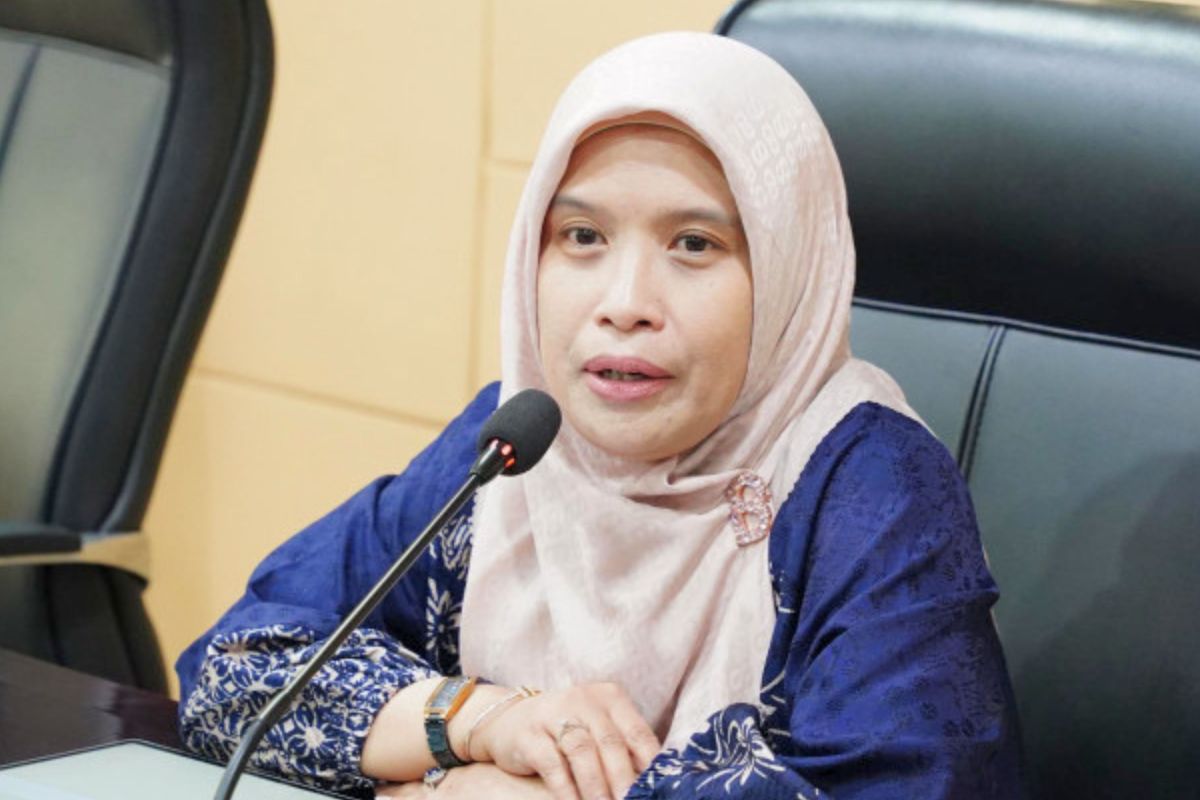
Ombudsman RI member Syafrida Rasahan said the evaluation could focus particularly on the supervision and control of mobile phone use, the prevention of illicit levies (pungli), and the eradication of drug circulation in correctional institutions (lapas) and state detention houses (rutan).
“These three aspects frequently serve as entry points for repeated maladministration practices in prisons and detention houses,” Syafrida said in a statement confirmed in Jakarta on Tuesday.
She said the call follows complaints received by the Ombudsman RI regarding alleged illicit payment practices and room rentals within prisons and detention houses.
Syafrida stressed that every alleged irregularity must be tested through an examination and verification process based on prevailing laws and regulations.
Nevertheless, she said, taking action against individuals alone is insufficient if the gaps in supervision and governance systems that allow irregularities to occur are not promptly closed.
According to her, oversight of mobile phone use, the eradication of illicit payments, and drug circulation must be placed as part of strengthening governance and internal control.
As such, she continued, oversight must be directed not only at inmates and detainees, but also at officers and other parties who have access to prisons and detention houses.
“An effective supervision system must be able to prevent prohibited items from entering while quickly detecting and acting on every potential irregularity,” she said.
Syafrida explained that correctional services are part of public services that must be carried out based on the principles of certainty, transparency, accountability, professionalism, and freedom from maladministration.
The Ombudsman RI supports the steps taken by the Directorate General of Corrections of the Ministry of Imipas, which has examined various related parties and formed an inspection team to follow up on information circulating in society.
These steps are important to ensure that all information regarding alleged irregularities is followed up and not ignored. However, the Ombudsman also reminded that the examination process must be conducted firmly and transparently as a form of openness to the public.
ORI considers that resolving the problem is not enough through examinations and action against individuals alone, so an evaluation of the system and governance of correctional services is needed, including complaint mechanisms and the follow-up of public reports.
From a public service perspective, Syafrida said oversight must ensure there is no room for officers or other parties to provide services in a discriminatory manner, demand payment outside official provisions, abuse their authority, or grant access to certain facilities based on the ability to pay.
In addition, the Ombudsman asked the Ministry of Imipas to ensure that all forms of services and facilities provided to inmates and detainees have standards, procedures, and requirements that can be openly known to inmates, detainees, families, and the public, so as to minimise the space for illicit payments and abuse of authority.
It was stressed that governance improvements must be directed at systems capable of preventing irregularities, not merely reacting after problems arise.
“Correctional services must provide certainty and fair treatment for inmates and detainees, while also assuring the public that prisons and detention houses are managed professionally, transparently, and accountably,” said Syafrida.
Source: jawawa.id (https://jawawa.id/newsitem/ombudsman-urges-immigration-and-corrections-ministry-to-evaluate-prison-governance-1789451696)
Originally published by Antara (Indonesian) (https://www.antaranews.com/berita/5741389/ombudsman-minta-kementerian-imipas-evaluasi-tata-kelola-pemasyarakatan), translated from Indonesian