
Ombudsman: Train Accident Reveals Need for Level Crossing Overhaul
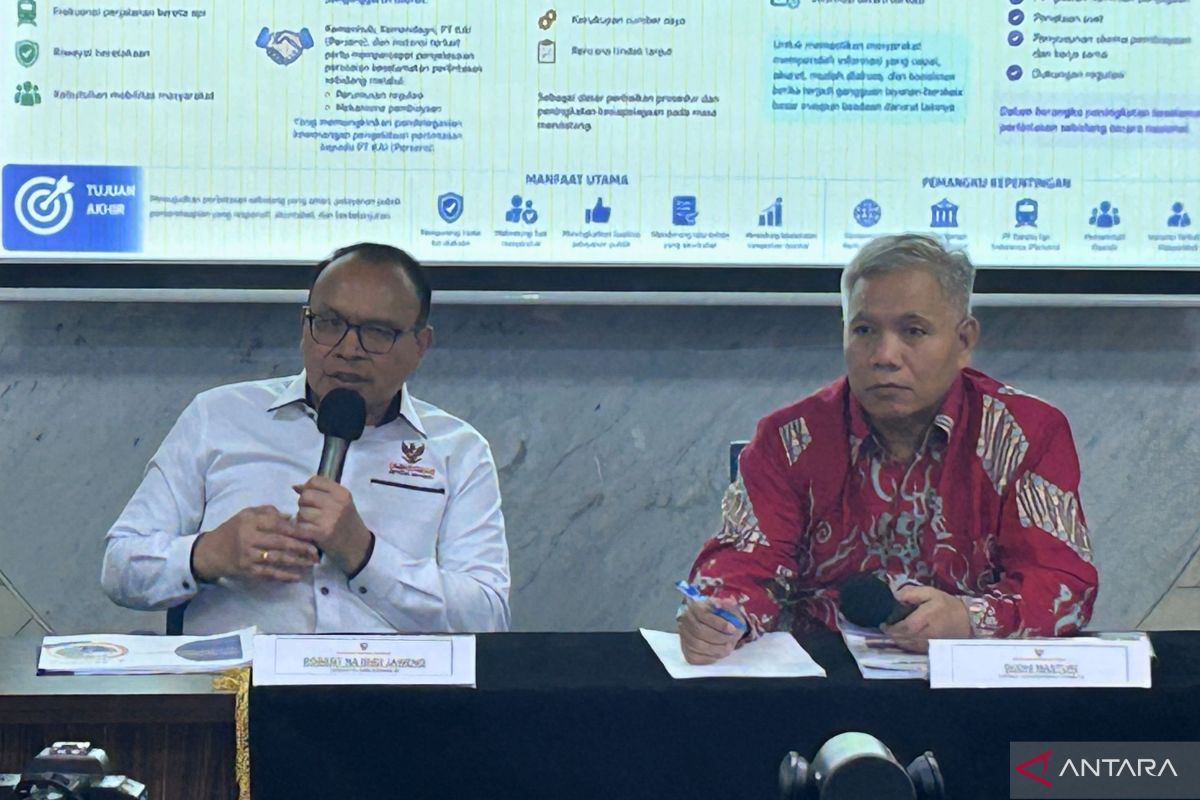
The Indonesian Ombudsman (ORI) has assessed that the train accident in Bekasi Timur on 27 April 2026 revealed the need for a comprehensive overhaul of safety governance at level crossings in Indonesia. Ombudsman member Robert Na Endi Jaweng presented the results of a rapid assessment regarding public service accountability in the Bekasi Timur train accident, finding that the safety risks at the Ampera Level Crossing (JPL 86) had long been known but had not been followed by adequate mitigation measures. “The findings show that the problem occurred due to weak follow-up in crossing safety management,” Robert said at a press conference in Jakarta on Wednesday. He stressed that public safety is the highest principle in the provision of public services, including transportation. He stated that this is a non-negotiable priority, so policy, planning, and budgeting must place the protection of public safety as the main objective. The Ombudsman’s Rapid Assessment was compiled through field observations, requests for information from relevant agencies, interviews with victims and their families, regulatory reviews, and data matching with various independent sources. ORI examined the provision of public services across three phases: pre-incident, incident, and post-incident, to assess the extent to which public service providers carried out their responsibilities in ensuring public safety, responding to emergencies, restoring services, and fulfilling the rights of victims and service users. Robert stated that the assessment results show the root cause of the accident lies in the pre-incident phase, specifically regarding the safety governance of the Ampera Level Crossing. “Despite its status as an official crossing and its intensive use by the public, until the accident occurred, the crossing was not equipped with a gate or an official guard,” he revealed. He explained that security was still carried out independently by local residents. This condition indicates a gap between the official status of the crossing and the level of safety protection available to the public. The Ombudsman found that the need for safety improvements at the Ampera crossing had long been known to various stakeholders, but this need had not been effectively followed up. He said the Ombudsman’s assessment identified several contributing factors, including weak inter-agency coordination, unintegrated planning and budgeting, funding limitations and priorities, and social complexities related to public access and mobility needs. The results of the systemic assessment have been directly conveyed to the Ministry of Transportation, PT Kereta Api Indonesia (KAI), and the Ministry of Home Affairs in a meeting held in Jakarta on Tuesday (30/6).