
Ombudsman RI: Handling of Free Nutritious Meal Poisoning Cases Must Focus on Beneficiary Safety
Jakarta (ANTARA) - The Ombudsman of the Republic of Indonesia (ORI) has emphasised that the handling of food poisoning cases involving the Free Nutritious Meal (MBG) programme must be rapid, coordinated, and focused on the safety of beneficiaries.
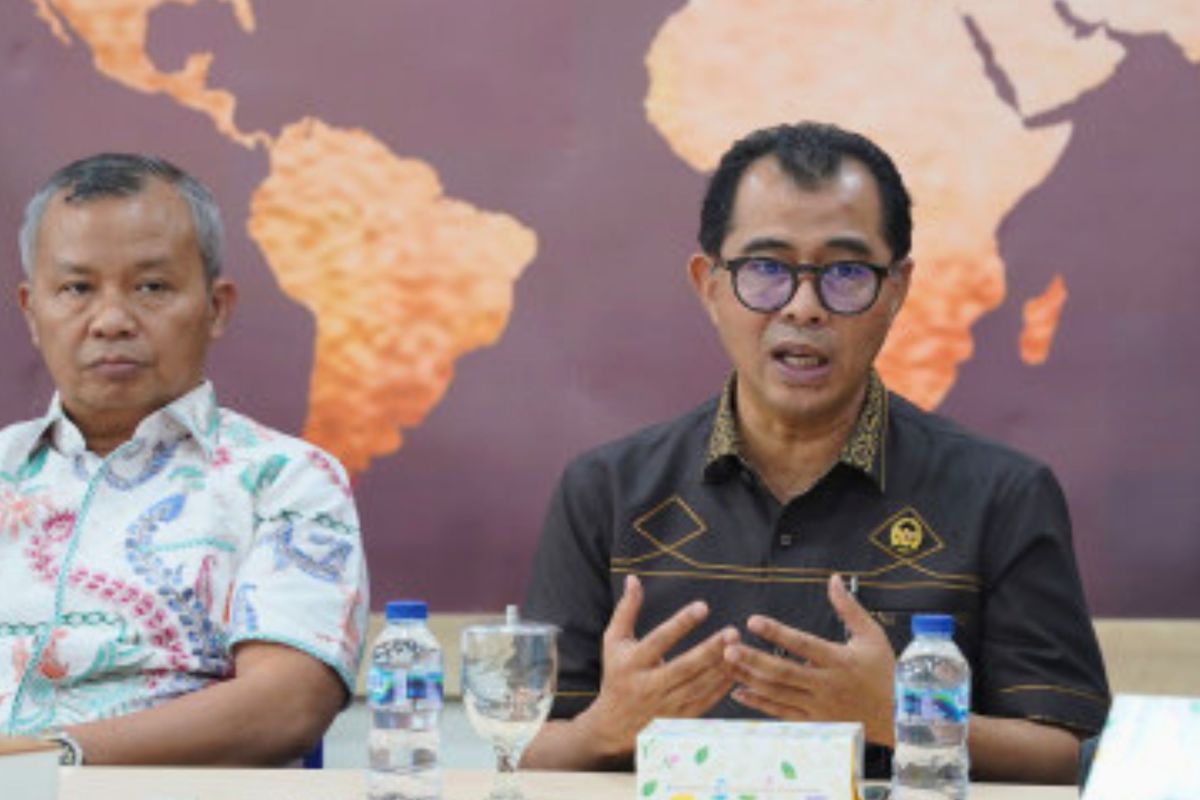
Ombudsman member Fikri Yasin stated that the National Nutrition Agency (BGN), along with its regional units and local governments, must ensure that the recovery of victims is optimised and that fundamental improvements are made to governance. “The BGN must not only communicate vertically but must also involve local governments intensively,” Fikri said in a statement confirmed in Jakarta on Thursday.
He made these remarks after the Ombudsman received feedback from various provincial and district/city governments regarding a lack of coordination from the BGN since the MBG programme’s implementation. Fikri also highlighted the increasing number of MBG poisoning cases in North Sumatra Province, prompting the Ombudsman to request that the BGN take firm action against the Nutrition Fulfillment Service Units (SPPG) responsible for the poisoning.
According to data from the Ombudsman RI Representative Office in North Sumatra Province, four MBG poisoning incidents have occurred throughout 2026, affecting a total of 700 victims (699 students and 1 teacher). This figure represents a significant surge compared to 2025, which recorded only one poisoning incident involving 107 victims.
The highest spike occurred in August 2026 in Karo Regency, with 389 victims. Of that number, 142 patients required hospitalisation, 52 received outpatient care, 175 were discharged, and two patients were referred to other facilities.
“We must not view these poisonings merely as statistics. If the MBG programme is managed in this manner, the potential for recurrence will persist,” he emphasised.
He asserted that the Ombudsman does not want the issue to end merely with finding who is at fault or implementing short-term fixes. According to him, the priority is for the government to ensure such incidents do not happen again; therefore, there must be a deterrent effect (punishment), a zero-tolerance policy towards poisoning cases, and organisers must understand the level of risk involved in their duties.
Ombudsman member Syafrida Rasahan noted that the MBG programme is a national strategic programme that must provide tangible benefits to the community. “The presence of the Ombudsman on-site serves as a catalyst for the BGN and SPPG to increase supervision, improve governance, and strengthen coordination with local governments,” said Syafrida.
In response to the situation, the Ombudsman of RI presented two recommendations to the BGN. First, the imposition of strict sanctions, including permanent closure and blacklisting, for SPPGs that cause poisoning cases. Second, the strengthening of coordination between the Central BGN, Nutrition Fulfillment Service Offices (KPPG), and SPPG with provincial and district/city governments through regular evaluation, supervision, and mitigation.
Source: jawawa.id (https://jawawa.id/newsitem/ombudsman-ri-handling-of-free-nutritious-meal-poisoning-cases-must-focus-on-beneficiary-safety-1788440979)
Originally published by Antara (Indonesian) (https://www.antaranews.com/berita/5724753/ori-penanganan-kasus-keracunan-mbg-fokus-keselamatan-penerima-manfaat), translated from Indonesian