
Ombudsman Regrets Being Blocked During Unannounced Inspection at Cibinong Prison
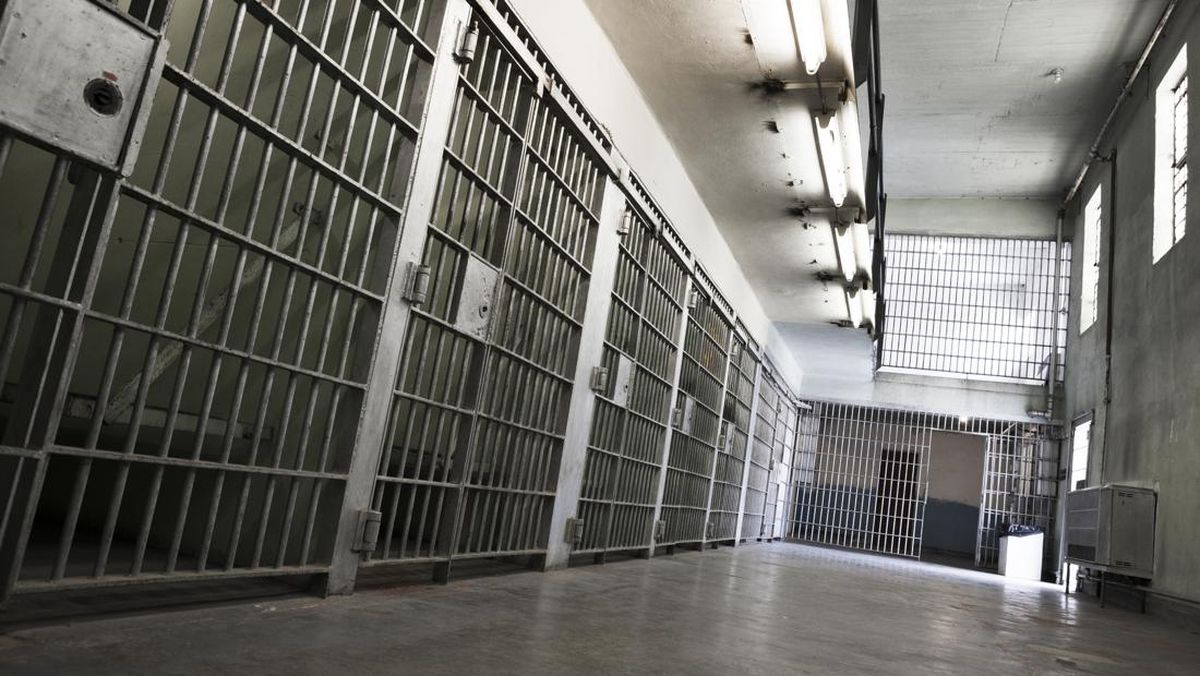
The Indonesian Ombudsman (ORI) has expressed regret over the actions of officers at the Class IIA Pondok Rajeg Prison in Cibinong, West Java, who obstructed a snap inspection by its supervisory team. Siti Uswatun Hasanah, Head of the Main Assistant II for Law, Human Rights, Immigration, and Corrections at ORI, assessed that the incident on Thursday (18/6) hampered direct monitoring of public services and the fulfilment of human rights for inmates. “We regret this incident because it obstructs the supervisory duties of a legitimate institution protected by law,” Siti said in a statement on Monday (22/6).
At the time, Siti was directly leading the Ombudsman’s supervisory team visiting the prison. The unannounced visit was part of the implementation of inter-agency cooperation under the Cooperation for the Prevention of Torture (KuPP) and efforts to prevent torture and other cruel, inhuman, or degrading treatment or punishment (ill-treatment). Siti admitted she deeply regretted the obstruction as it is not in line with the principles of openness and accountability in public services.
Based on Law Number 37 of 2008 concerning the Indonesian Ombudsman, the institution has full authority to conduct investigations on its own initiative and carry out unannounced inspections of public service agencies, including correctional facilities. Siti emphasised that the Ombudsman’s presence was to carry out the legal mandate to ensure there is no violence and to guarantee the rights of all inmates are fulfilled without exception. Through the inspection, the Ombudsman team intended to engage in direct dialogue with several inmates to confirm the actual conditions inside the prison and ensure they receive their full rights.
Siti also questioned the commitment of the Cibinong Class IIA Prison in supporting efforts to prevent torture and inhuman treatment within the correctional environment. According to her, openness to oversight is an important indicator of an institution’s seriousness in ensuring respect for human rights and preventing various practices that deviate from service and treatment standards for inmates. “The supervision carried out by the Ombudsman is not to find fault, but to ensure that the rights of inmates are fulfilled and that no actions contrary to law or human rights principles occur,” she said.
Furthermore, the Ombudsman highlighted the fact that the supervisory team had submitted their assignment letter, intent, purpose, and legal basis for the monitoring from the moment they first arrived at Cibinong Class IIA Prison. However, she continued, the Ombudsman team was instead asked to wait for approximately two hours before finally being informed that the inspection of prison facilities and direct dialogue with inmates could not be conducted. “This situation raises questions about transparency and accountability in the management of correctional services,” Siti stated.
The Ombudsman asserted that independent oversight is an important instrument in building public trust in correctional institutions. If governance, services, and the protection of inmates’ rights have been implemented according to regulations, Siti continued, then there should be no reason to obstruct or limit inspections carried out by a legally mandated supervisory body. She stressed that openness to oversight is actually a form of accountability to the public and a manifestation of genuine commitment to the prevention of torture.
Conversely, the Ombudsman’s snap inspection at Medan Class I Prison, conducted on the same day, proceeded smoothly. Ombudsman member Syafrida Rasahan and her team were able to monitor facilities for inmates. The institutions that are members of KuPP include the Indonesian Ombudsman, the National Commission on Human Rights (Komnas HAM), the National Commission on Violence Against Women (Komnas Perempuan), the Indonesian Child Protection Commission (KPAI), the Witness and Victim Protection Agency (LPSK), and the National Commission on Disability (KND). Prior to the incident at Cibinong Class IIA Prison, a series of KuPP monitoring activities had proceeded well in several locations, including the detention room at Polda Metro Jaya, Soeharto Heerdjan Hospital, Sentra Handayani, East Jakarta Class IIA Detention Centre, and the Immigration and Corrections Polytechnic (Poltekip).