
Ombudsman NTB Bans Schools from Managing Student Savings Amid Embezzlement Cases
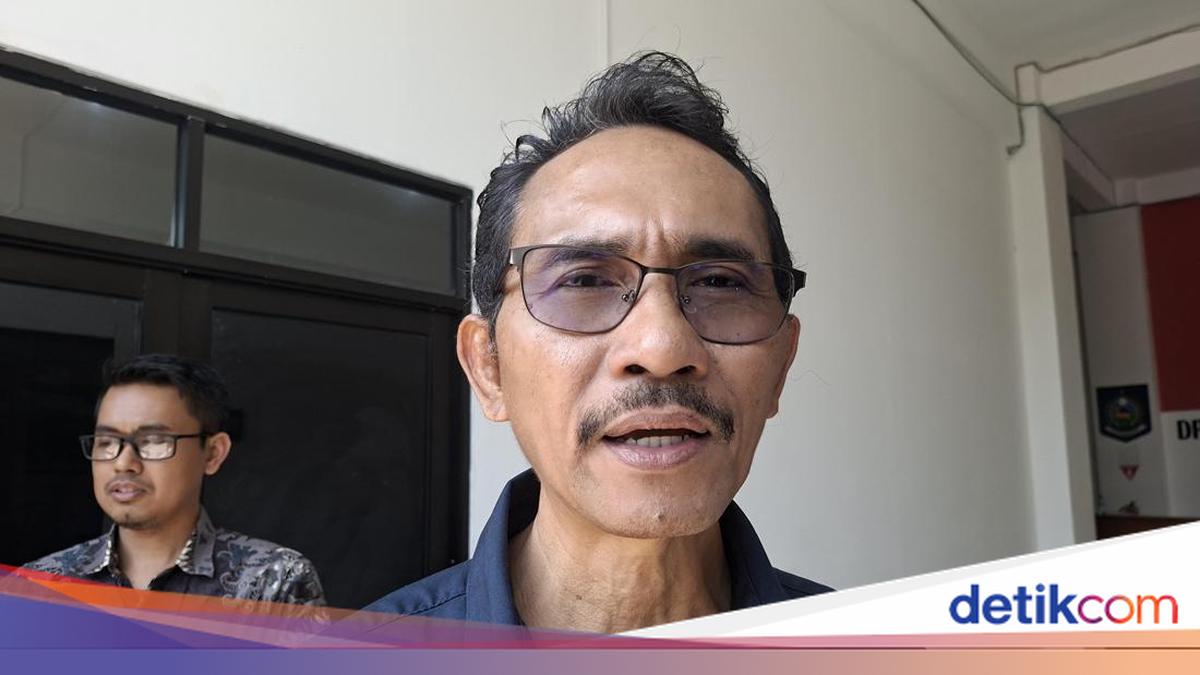
The Ombudsman of West Nusa Tenggara (NTB) has banned schools and teachers from independently managing student savings funds. The prohibition follows findings of alleged embezzlement of student savings for personal gain by both educators and headmasters.
Head of the NTB Ombudsman, Dwi Sudarsono, revealed that his office is investigating a number of cases related to the mismanagement of school savings. These cases are spread across three regions: East Lombok, North Lombok, and Central Lombok.
“The West Lombok case has been resolved. For the others, we are currently examining several school savings cases suspected of being embezzled or used for other needs by several headmasters,” Dwi stated in Mataram on Monday (13/7/2026).
Dwi explained that the essence of school savings, originally intended to teach children to be thrifty, has deviated into a means of unilateral profiteering. Besides the alleged embezzlement, the Ombudsman has also detected a suspected scheme where students’ cash is deposited by teachers to enjoy the interest earnings.
Furthermore, Dwi mentioned there are issues of savings funds being used to pay teachers’ personal bills. Such actions have entered the criminal domain. Nevertheless, for the initial stage, the Ombudsman is prioritising persuasive efforts to ensure schools take full responsibility.
Another highlighted phenomenon is the deduction of administrative fees when student savings are distributed by the school. For instance, savings of Rp5 million are deducted by Rp150,000 under the pretext of money management costs by the teacher. Dwi asserted that this practice is completely baseless and illegal as it lacks official regulation.
“Actually, there is no such administrative fee. Because this is part of education to encourage children to save, there should be no charges whatsoever. Schools should use the existing operational funds,” Dwi stressed.
As a preventive measure, the NTB Ombudsman is urging all schools to stop managing cash funds. If they wish to hold a savings programme, schools are required to cooperate with banks, whether regional development banks (BPD) or state-owned banks (Himbara). Moreover, banks currently have specific programmes, such as the Student Savings (SimPel) scheme, which are much safer, transparent, and free from administrative fees or interest.
“This means schools are not allowed to manage the funds themselves. They must cooperate with a bank. That way, every student has their own account, can check their balance directly, and their money is much safer,” Dwi explained.
To resolve the existing turmoil, the Ombudsman is coordinating with various local government bodies. For the senior high school and vocational school levels, coordination is being carried out with the NTB Provincial Government, while matters for primary and junior high schools are delegated to the regency and city governments.
Dwi also urged members of the public or parents who are new victims in this school savings case to not hesitate to report it. “Please contact the Ombudsman and bring your evidence,” he appealed.