
Ombudsman launches serious probe into protection standards for junior doctors
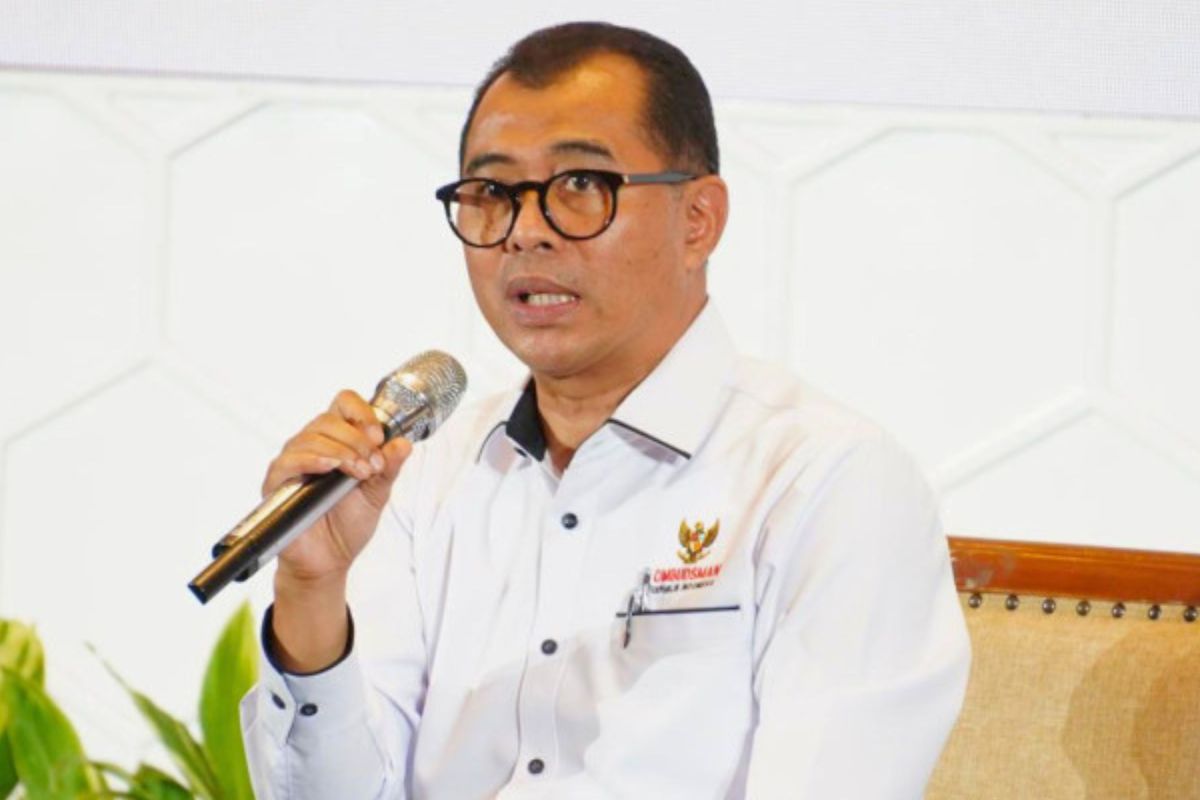
Jakarta (ANTARA) - The Indonesian Ombudsman (ORI) is giving serious attention to the fulfilment of occupational protection and safety standards for junior doctors (interns), following the deaths of four intern doctors in recent months.
Ombudsman member Nuzran Joher stated that the office has followed up with an Own-Initiative Investigation (IAPS) regarding the governance of the Indonesian Doctor Internship Programme (PIDI).
“The Ombudsman’s Main Assistant VII team was deployed simultaneously from 9 to 12 June 2026 to collect data and conduct field inspections in two regions, namely Bali Province and Jambi Province,” Nuzran said, as confirmed in Jakarta on Saturday.
He explained that the inspection in Bali focused on tracing field facts related to the assignment of the late Dr Edgar Bezaliel Hartanto at Bhayangkara Hospital in Denpasar City. Meanwhile, similar data collection was also carried out in Jambi Province to delve into the work feasibility aspects for the late Dr Myta Aprilia Azmi at the teaching hospital where she worked.
Nuzran conveyed that the direct review of the health service facilities was intended to map the real conditions of implementation in the field and to see the alignment between technical regulations and the daily execution of public services at the hospitals.
In addition to Bali and Jambi, he added that field data collection will also be continued at several other teaching hospitals that recorded similar incidents, namely in Rembang Regency (the case of the late Dr Kartika Ayu Permatasari) and Cianjur Regency (the case of the late Dr Andito Wibisono).
“The field review is focused on identifying whether there is a gap between governance regulations and the real workload of intern doctors in hospitals,” he stated.
The Ombudsman’s presence in the field, including plans for coordination with the Provincial Health Office as an element of the Indonesian Medical Internship Committee (KIKI) at the regional level, he continued, is carried out to see the extent to which the functions of guidance, periodic supervision, and health mitigation for internship programme participants are operating at the regional level.
Through the IAPS mechanism, Nuzran revealed that supervision remains directed at three main substances: the participant placement mechanism, compliance with the fulfilment of rights and obligations at the teaching hospital level, and the effectiveness of periodic supervision organised by the Ministry of Health together with KIKI.
He expressed hope that the final results of this series of investigations can provide constructive and solution-oriented input for the improvement of the national health regulatory system. He stressed that the Ombudsman wants to ensure that all public service providers in the health sector, especially young doctors, receive adequate protection guarantees during their service period.
“This comprehensive evaluation will ultimately lead to the formulation of concrete regulatory governance improvement recommendations to the Ministry of Health for the betterment of service quality and collective safety,” Nuzran stated.