
Ombudsman Highlights Risk of Maladministration in Social Assistance Data and Decile System
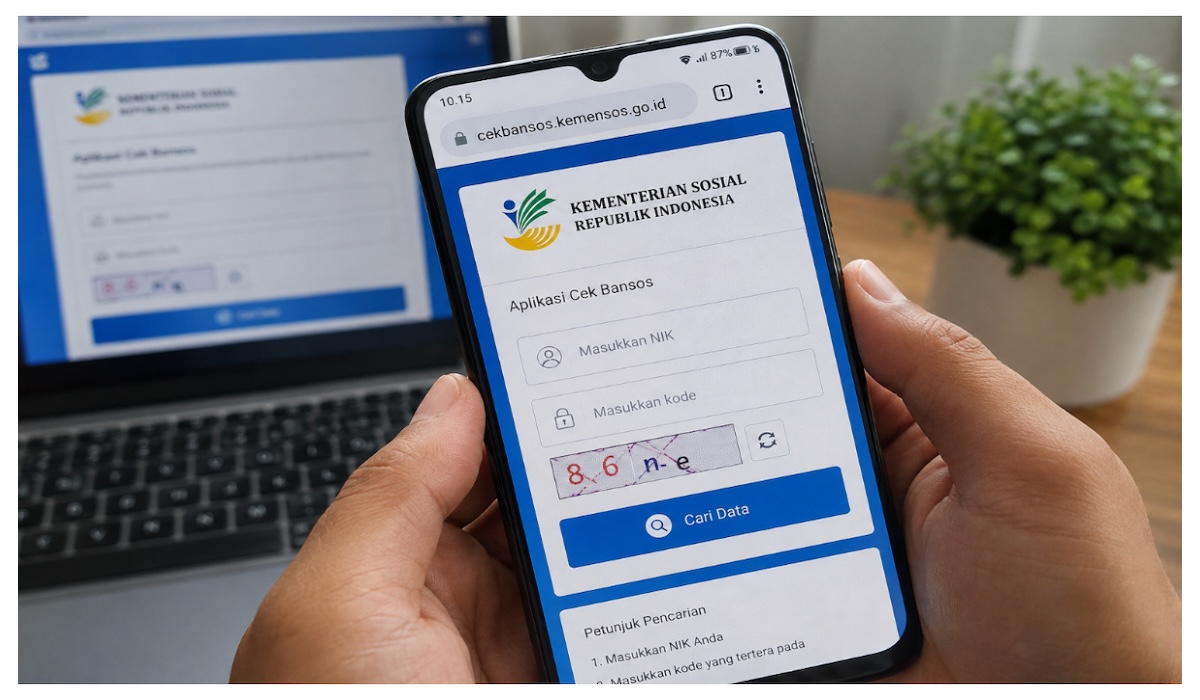
The Ombudsman of the Republic of Indonesia has highlighted the risk of data errors in determining social assistance (bansos) recipients through the decile system. The leadership of the Ombudsman, Maneger Nasution, emphasised that administrative classification must not cause the state to lose its ability to read the actual, dynamic conditions of the community.
Maneger warned the government against falling into ‘administrative reductionism’, which is the tendency to simplify human lives into mere numbers and variables. According to him, errors in data classification have the potential to sever access to aid for families who are in genuine need.
“The state must not be trapped in what is called administrative reduction to simplify human life into numbers, categories, and variables,” Maneger stated in his remarks on Friday.
One crucial point highlighted is the physical indicator of housing. The Ombudsman assessed that permanent houses or decent buildings do not always reflect the current economic capacity of their inhabitants. Economic conditions can change drastically due to layoffs, debt, or family burdens, even if physical assets still appear good.
Conversely, visible indicators such as the condition of floors or walls are considered insufficient to capture the complexity of poverty. Maneger emphasised that poverty is closely linked to income, expenditure, access to healthcare, and the ability to face dynamic economic pressures.
The Ombudsman identified potential maladministration in two main areas. First, procedural deviations if data updates are not conducted effectively. Second, the neglect of obligations if the government fails to provide easy pathways for citizens to lodge objections and correct data.
“No system should be placed higher than justice. If the data in the system does not match reality, then the task of government administration is not to defend the system, but to improve it,” Maneger asserted.
He expressed hope that the government would conduct a thorough evaluation of the data collection system to make it more responsive. The state is urged to ensure that the indicators used are capable of capturing the full extent of the community’s economic vulnerability to prevent social injustice resulting from administrative errors.