
Ombudsman: Follow-up to oversight must have an impact on service quality
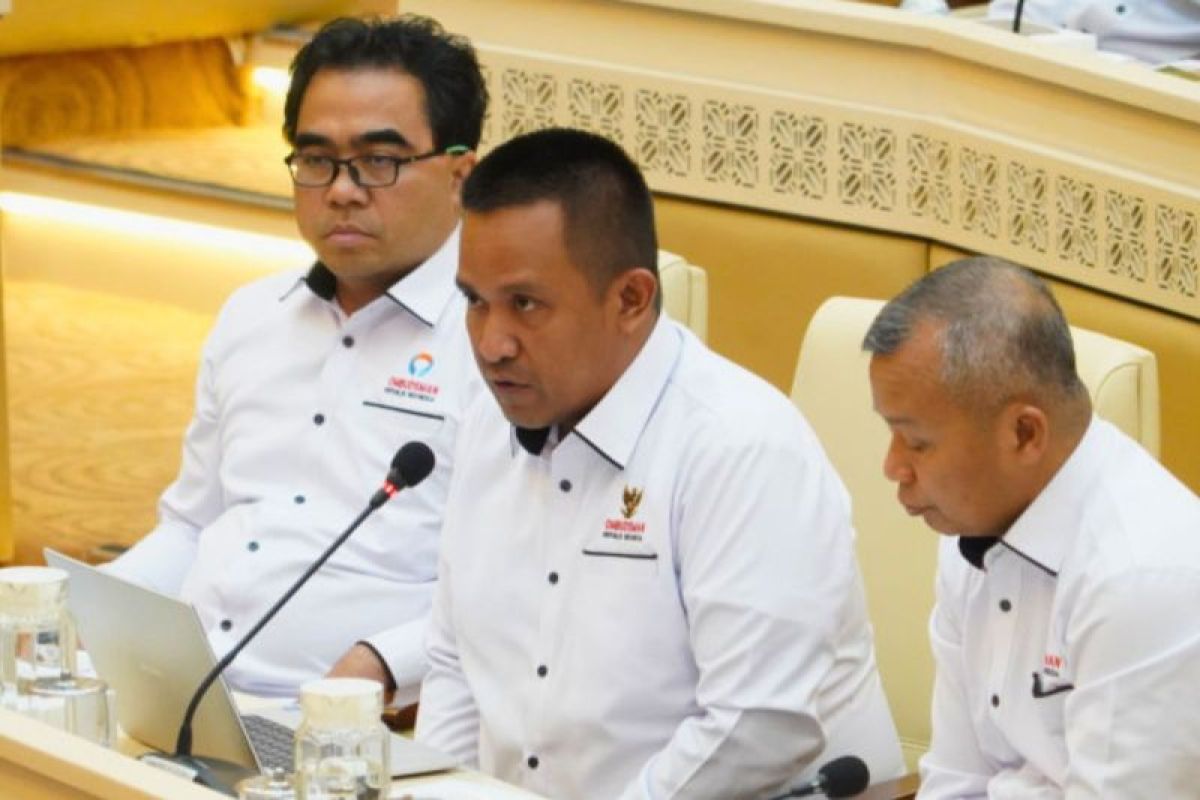
Jakarta (ANTARA) — The Ombudsman of the Republic of Indonesia (ORI) has affirmed that follow-up to oversight findings must have a real impact on the quality of services received by the public.
At a hearing with Commission II of the House of Representatives (DPR RI) at the parliamentary complex in Jakarta on Monday (7/9), Deputy Chair of the Ombudsman RI Rahmadi Indra Tektona said one challenge requiring collective attention is strengthening the compliance of public service providers with the results of Ombudsman RI oversight.
“Follow-up must not stop at formal commitments or administrative responses. It must be demonstrated through real changes in procedures, service behaviour, and outcomes felt by the public,” Rahmadi said, as quoted from a statement confirmed in Jakarta on Tuesday.
Rahmadi also highlighted the need to strengthen the interoperability of oversight data. According to him, public reports, examination results, assessment outcomes, internal institutional complaints and other oversight findings need to be managed in a more connected manner so that problem patterns can be detected earlier and addressed more precisely.
In addition, strengthening the Ombudsman RI’s regional representatives is considered an important need, given the vastness of Indonesia’s territory and the diverse characteristics and challenges of public service access in each region.
“The presence of oversight close to the community is an important factor in ensuring every citizen can obtain equal protection,” he said.
He cited another challenge in oversight and improving public service quality, namely the need to strengthen collaboration with ministries, agencies, regional governments and internal oversight apparatus.
In his view, improvements to public services cannot be delivered by a single institution, but require joint work, a clear division of roles, and a commitment to treating public complaints as a source of policy learning.
Regarding collaboration, the Ombudsman RI and the Ministry of Home Affairs have worked together by including the Maladministration Assessment as one of the performance evaluation indicators.
The assessment relates to the Bureaucratic Reform Index of ministries, agencies and regional governments, which serves as one of the bases for the application of remuneration.
Rahmadi also explained that challenges in public services remain evident in the fact that some members of the public have yet to receive fast and measurable services.
In many cases, he continued, people complain because internal mechanisms within institutions have been unable to provide adequate resolution or certainty over the follow-up required.
He emphasised that the success of the Ombudsman RI cannot be measured merely by the number of reports received or how many reports are closed.
“The more important measure is restoring people’s rights and preventing the same problems from recurring,” he said.
As of August 2026, the Ombudsman RI had resolved 6,456 public reports, or 82.5 per cent of the annual target of 7,825 reports.
The report resolution was carried out through stages of report receipt and verification, examination, resolution, and oversight.
He assessed that this achievement must be accompanied by strengthening the impact of oversight results. ORI oversight outcomes in the form of Improvement Suggestions, Corrective Actions and Recommendations serve as input for the government in improving governance.
Ombudsman oversight, he said, must become increasingly impactful, not only responsive to complaints but also stronger in preventing maladministration.
“Not only resolving cases one by one, but also building systemic improvements, and not only correcting today’s services, but ensuring better public services for the public in the future,” Rahmadi said.
Meanwhile, Chair of Commission II of the DPR RI, Muhammad Rifqinizamy Karsayuda, said Commission II encourages the Ombudsman RI, together with the Ministry of Administrative and Bureaucratic Reform (PANRB) and the National Institute of Public Administration (LAN), to collaborate in improving the Policy Quality Index (IKK) achievements of ministries, agencies and regional governments.
“The results of the IKK assessment should be used as one of the bases for performance evaluation as well as the provision of rewards and punishments for government institutions and the human resources implementing the policies,” Rifqinizamy said.
He also asked the PANRB Ministry, the Ombudsman RI and LAN to jointly and in an integrated manner develop indicators for assessing bureaucratic reform and public service quality that can serve as a common reference in evaluating the performance of ministries, agencies and regional governments by integrating existing assessment instruments.