
Ombudsman: Flyover Construction the Most Ideal Option to Prevent Train Accidents
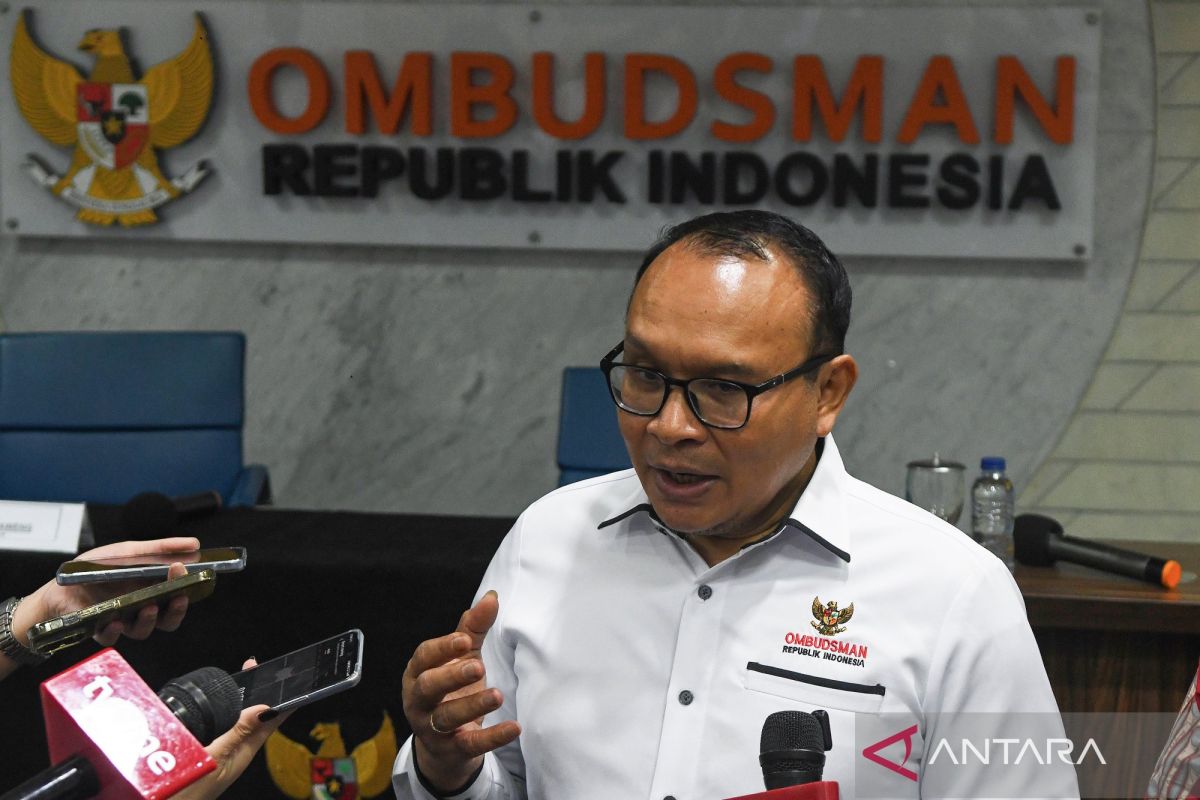
The Ombudsman of the Republic of Indonesia (ORI) believes that the construction of grade-separated crossings, such as flyovers or underpasses, is the most ideal option for preventing train accidents.
“Essentially, there should no longer be roads that directly cross railway tracks; they must be built either above or below,” said Robert Na Endi Jaweng, a member of the Indonesian Ombudsman, when met in Jakarta on Wednesday.
He noted that many existing level crossings in Indonesia are currently unofficial. Robert revealed that out of approximately 3,700 level crossings in Indonesia, 50 per cent are unofficial crossings that lack barriers or attendants.
“In fact, even official level crossings are not necessarily safe,” he added.
Nevertheless, he admitted that the option of constructing grade-separated crossings is highly complex, both in terms of technical requirements and funding.
To avoid future train accidents, he argued that one of the most realistic approaches is to formalise unofficial level crossings. Consequently, he expressed support for PT Kereta Api Indonesia (KAI), which has allocated Rp190 billion to build guard posts at level crossings across Indonesia in response to recent train accidents in East Bekasi.
In addition to constructing physical guard posts, he stated that the funds would also be used to provide crossing barriers and attendants.
Currently, KAI is recruiting personnel to man these level crossing posts, with 12,000 applicants undergoing selection for various guarding positions.
“So, level crossings are acceptable, provided they have official barriers, are officially guarded, and that various information technology devices are strengthened,” said Robert.
However, he reminded that preventing train accidents is not solely the responsibility of KAI, but also involves the Ministry of Transportation and local governments.