
Ombudsman Expands 2026 Public Service Assessment to Include State-Owned Enterprises and Legal Entity State Universities
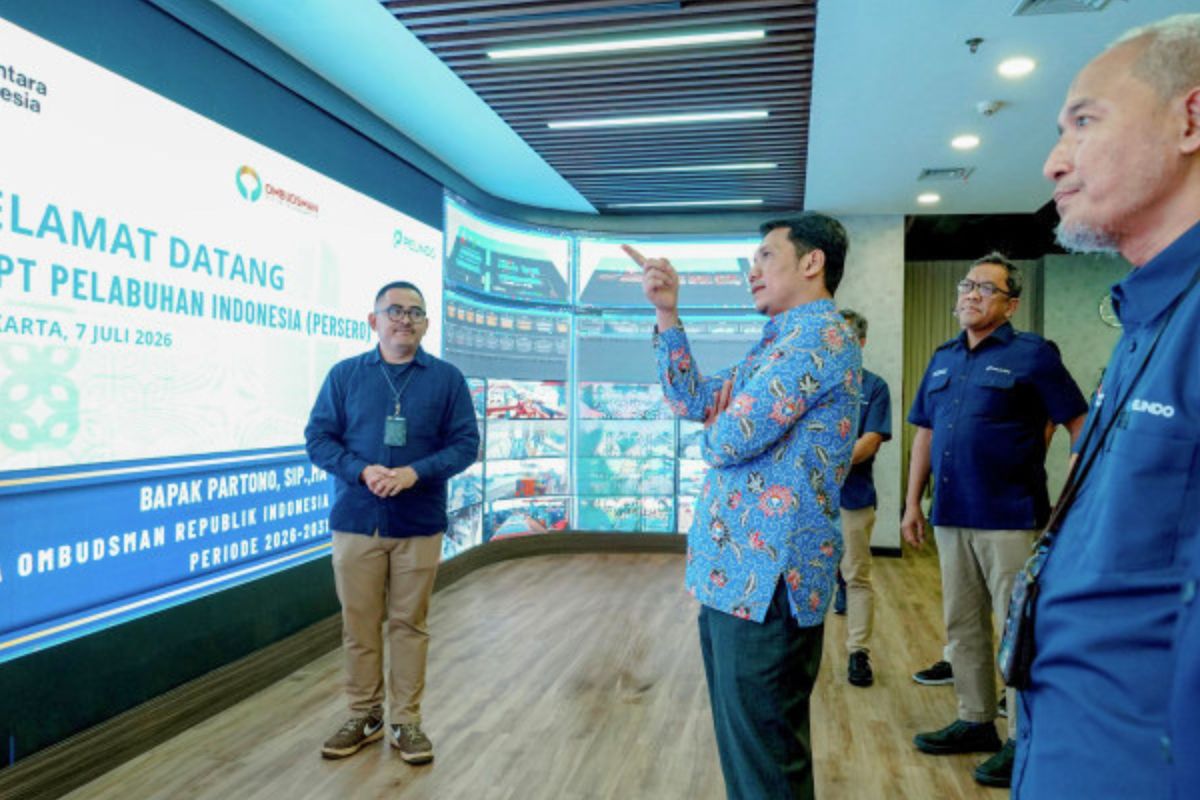
The Ombudsman of the Republic of Indonesia is expanding the scope of its 2026 assessment to include state-owned enterprises (BUMN), state universities with legal entity status (PTNBH), and other state legal entities (BHMN). Ombudsman member Partono stated that the maladministration assessment of public service delivery, which results in the Ombudsman’s Opinion, typically only covers ministries, agencies, and regional governments. “This expansion of the assessment objects is part of Ombudsman RI’s effort to encourage a comprehensive improvement in the quality of public service delivery and to strengthen maladministration prevention,” Partono said in a confirmed statement in Jakarta on Thursday. To this end, the Ombudsman conducted a field review of public service delivery at PT Pelabuhan Indonesia (Pelindo) Regional 2 Tanjung Priok, Jakarta, on Tuesday (7/7). He explained that the activity is part of the preparations for the 2026 Public Service Delivery Maladministration Assessment, scheduled to take place in August. Partono said the review was conducted to obtain a direct picture of the fulfilment of public service standards, including aspects of accessibility, security, and comfort received by the public as service users. He added that ORI wants to ensure that public service providers have met the established service standards. The availability of facilities for persons with disabilities, lactation rooms, toilets, and children’s play areas are among the indicators being scrutinised in the 2026 Ombudsman Opinion assessment. During the visit, Partono and the Ombudsman’s Main Assistant for Maladministration Prevention Management team reviewed various facilities, including the Integrated Planning and Control (IPC) system, the Nusantara Pura Passenger Terminal, and the New Priok Container Terminal One (NPCT1) Tanjung Priok. The visit was received by Director of Operations Prasetyadi, Director of Institutional Relations Hendri Ginting, Executive Director 2 Regional 2 Budi Prasetio, Executive General Manager of Tanjung Priok Yandri Trisaputra, and their staff. At the IPC, the Ombudsman received an explanation of the integrated port operational control system. The system manages ship traffic, terminal operations, and coordination of various activities within the port area as part of efforts to maintain safety, effectiveness, and service reliability for the public. Meanwhile, during the review of the Nusantara Pura Passenger Terminal, ORI directly observed the fulfilment of public service facilities and infrastructure for passengers. The Ombudsman noted the availability of priority facilities for vulnerable groups, waiting rooms, automatic gates (autogate), lactation rooms, toilets, children’s play areas, and transportation integration support as part of the service quality for users. In addition to reviewing service facilities, the Ombudsman also received information regarding ongoing challenges in port service delivery, including the high volume of logistics vehicles that could potentially cause congestion on access roads to the port. This condition is also being closely observed as it affects the smooth running of public services. The results of the field review will serve as input for the 2026 Ombudsman Opinion assessment. Through this assessment, ORI encourages all public service providers to continuously strengthen service quality, meet service standards, and minimise the potential for maladministration to realise quality public services for the community.