
Ombudsman Ensures Vulnerable Groups and Persons with Disabilities Can Access National Strategic Projects
Jakarta (ANTARA) - The Ombudsman of the Republic of Indonesia wants to ensure that vulnerable groups and people with disabilities can be reached by various National Strategic Project (PSN) programmes, such as the Sekolah Rakyat (People’s School) initiative, through oversight.
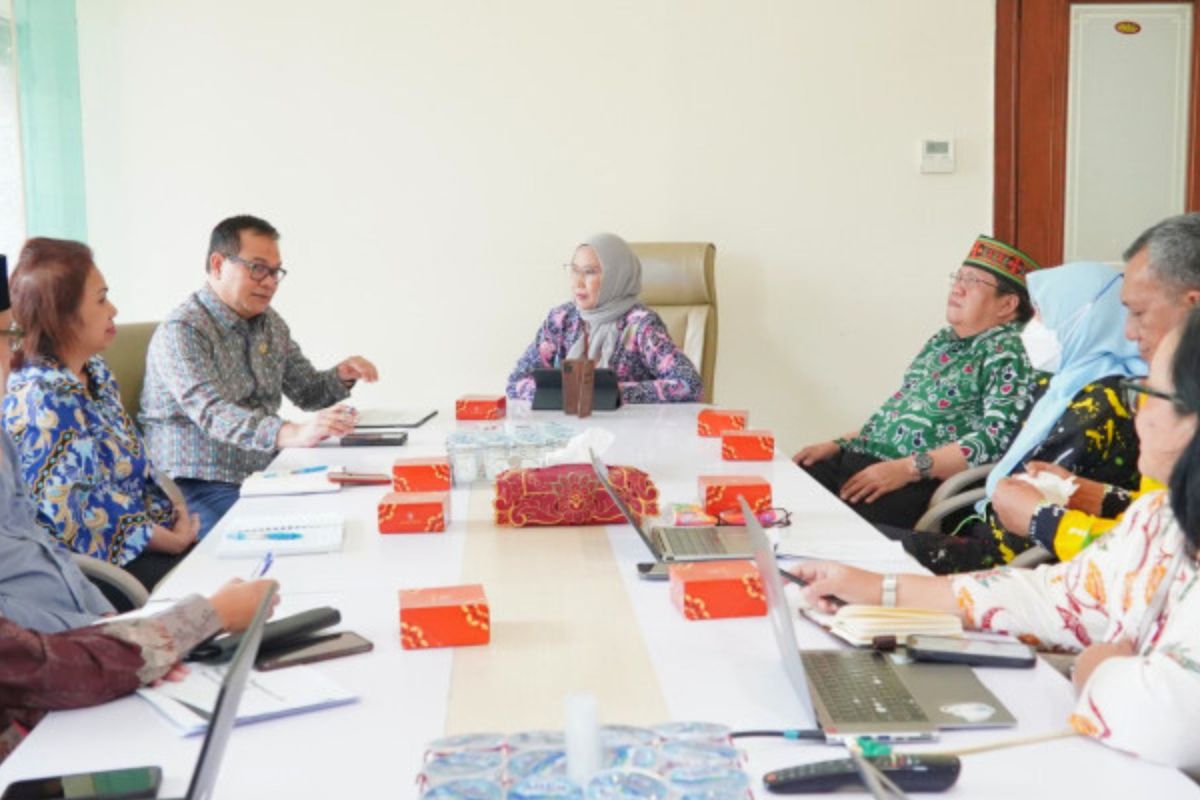
In a meeting with the National Disability Commission (KND) in Jakarta on Tuesday (7 July), Ombudsman member Maneger Nasution said his office is continuously taking steps to prevent maladministration, particularly in PSN programmes.
“Prevention is carried out, among other things, through oversight of the Free Nutritious Meal (MBG) programme, the Red and White Village/Neighbourhood Cooperatives, and the Sekolah Rakyat,” said Maneger, as quoted from a statement confirmed in Jakarta on Thursday.
He emphasised the importance of proactive collaboration in overseeing public services, especially for people with disabilities.
By partnering with the KND, the Ombudsman of Indonesia is committed to optimising its persuasive role to encourage disability-friendly public services.
It was noted that the number of public reports regarding disability issues received by the Ombudsman has shown an increasing trend each year.
“This shows that public awareness to file reports is increasing,” he said.
Therefore, he said, cooperation with the KND is a strategic step towards improving the quality of public services.
Maneger stressed that such cooperation should not stop at ceremony, but must be realised through routine programmes such as joint monitoring of public service facilities.
In addition, he added, the cooperation will not be limited to the central level, but will also involve the Ombudsman’s regional representative offices.
“Going forward, there needs to be a special coordination meeting between the Ombudsman and the KND to discuss the report on public services for people with disabilities over the past year,” said Maneger.
The proposal was welcomed positively by the KND commissioners. KND Chairperson Dante Rigmalia acknowledged that the fulfilment of the rights of persons with disabilities in the public service sector has indeed not run optimally, making the Ombudsman’s presence as an external supervisory institution crucial.
Furthermore, she also invited the Ombudsman to collaborate in promoting inclusive village development and preventing human trafficking (TPPO), given that disability groups are particularly vulnerable to this issue.
KND Commissioner Rachmita Harahap highlighted the importance of equity, whereby persons with disabilities must be provided with facilities and accessibility appropriate to their specific needs.