
Ombudsman Criticises Local Governments’ Healthcare Response to Areas Affected by Forest and Land Fires
Jakarta (ANTARA) – Indonesia’s Ombudsman has criticised local governments’ healthcare response in several areas affected by forest and land fires, saying it has largely been inadequate.
Based on initial monitoring in several affected provinces, the Ombudsman said local governments had not taken proactive steps to protect vulnerable groups from exposure to hazardous smoke.
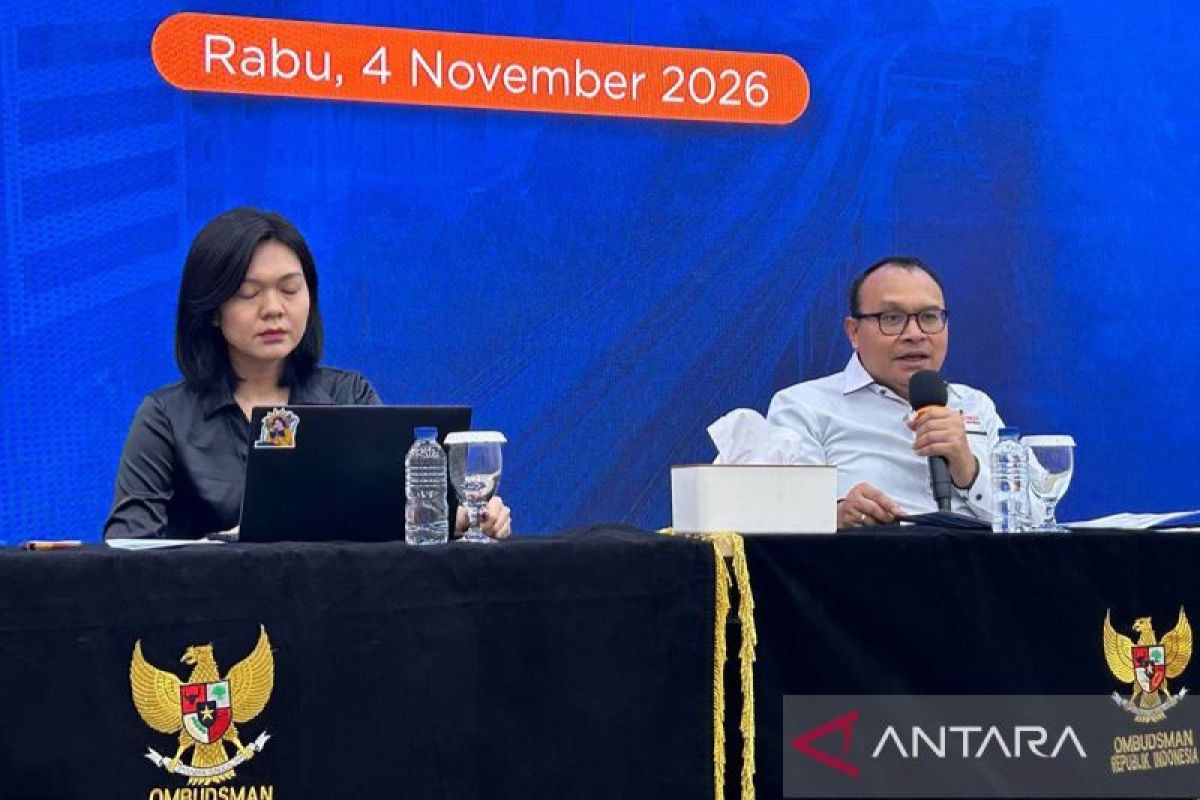
Ombudsman member Robert Na Endi Jaweng disclosed the findings at a press conference at the Ombudsman’s office in Jakarta on Wednesday, following visits to affected areas.
He found that primary healthcare facilities, including community health centres and hospitals, treated patients affected by the fires like ordinary patients, without dedicated emergency routes or counters.
“Healthcare services appear to be operating as normal, with no special channel opened for those affected by or exposed to the smoke,” he said.
In practice, he added, local government responses were generally limited to distributing masks.
Although that effort was important, Robert said mask distribution alone was insufficient and was often uneven.
The monitoring also found that primary healthcare facilities and referral systems were frequently inadequately prepared for patients with moderate to severe health problems caused by acute respiratory infections (ARI) in affected areas.
From its monitoring in nine provinces, the Ombudsman classified healthcare responses into three categories. Jambi, West Kalimantan, North Maluku and Maluku were considered to have responded actively, while South Kalimantan had uneven service capacity.
Other areas, including West Sulawesi, the Bangka Belitung Islands, Central Sulawesi and Gorontalo, were found to have shown no significant response to the rise in health cases linked to the fires.
“This is what I have observed: it is not apparent in almost all provinces, with perhaps one or two exceptions that have taken steps—and even those steps are mostly reactive, with officials waiting in place,” Robert said.
In light of the findings, the Ombudsman urged local governments not to remain passive and said they must map risks, particularly for vulnerable groups such as pregnant women, older people, children and babies, so preventive measures can be taken quickly.
The Ombudsman said it was confident that precise risk mapping, especially for vulnerable groups, would make local healthcare systems more responsive and resilient in dealing with disasters, particularly forest and land fires.
Source: jawawa.id (https://jawawa.id/newsitem/ombudsman-criticises-local-governments-healthcare-response-to-areas-affected-by-forest-and-land-fires-1793782443)
Originally published by Antara (Indonesian) (https://www.antaranews.com/berita/5831119/ombudsman-soroti-respon-layanan-kesehatan-pemda-terdampak-karhutla), translated from Indonesian