
Ombudsman Central Java: MBG Poisoning Constitutes Maladministration, SPPG Must Take Responsibility
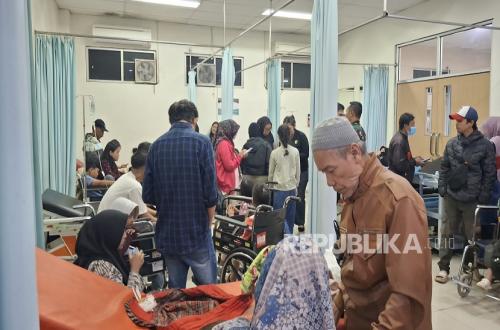
The Head of the Ombudsman RI Central Java Representative, Siti Farida, stated that food poisoning cases within the Free Nutritiously Meal (MBG) programme constitute a form of maladministration that harms beneficiaries. She asserted that Food Service Providers (SPPG) must take responsibility whenever such incidents occur.
Farida revealed that the Ombudsman is currently monitoring the handling of suspected MBG poisoning cases that recently took place in Bawang District, Batang Regency. The number of victims in this particular case has reached approximately 700 people.
She commended the rapid and excellent response from local community health centres (Puskesmas) and regional public hospitals (RSUD) in providing medical services to the suspected victims. Samples of the MBG menu suspected of causing the poisoning are also currently undergoing testing at the Health and Calibration Laboratory in Yogyakarta.
“However, it remains a ‘homework’ task for the government; if the laboratory results confirm that the MBG was the cause, the responsibility of the managers (SPPG) must be reviewed. There is a collective responsibility for the products released that cause poisoning among beneficiaries. This is unavoidable and constitutes maladministration that harms both the public and individuals as beneficiaries,” Farida said in a written statement on Tuesday (29/09/2026).
“If accountability is enforced, it will serve as a form of responsibility for SPPG managers, ensuring that every provider becomes more cautious and adheres to standards when providing MBG to beneficiaries,” Farida added.
She emphasised that food safety is a critical aspect of the MBG programme’s implementation. “This is increasingly important because the programme’s beneficiaries include diverse groups of people with varying characteristics and needs, including students, pregnant women, breastfeeding mothers, and toddlers,” she said.
Farida urged that the laboratory results and evaluations of the MBG implementation process be used as material for improvement to strengthen oversight and prevention systems. “This is so that the implementation of the Free Nutritious Meal programme can run according to standards and provide optimal protection to all beneficiaries,” she concluded.