
Oman Opens Temporary Maritime Corridor Through Strait of Hormuz
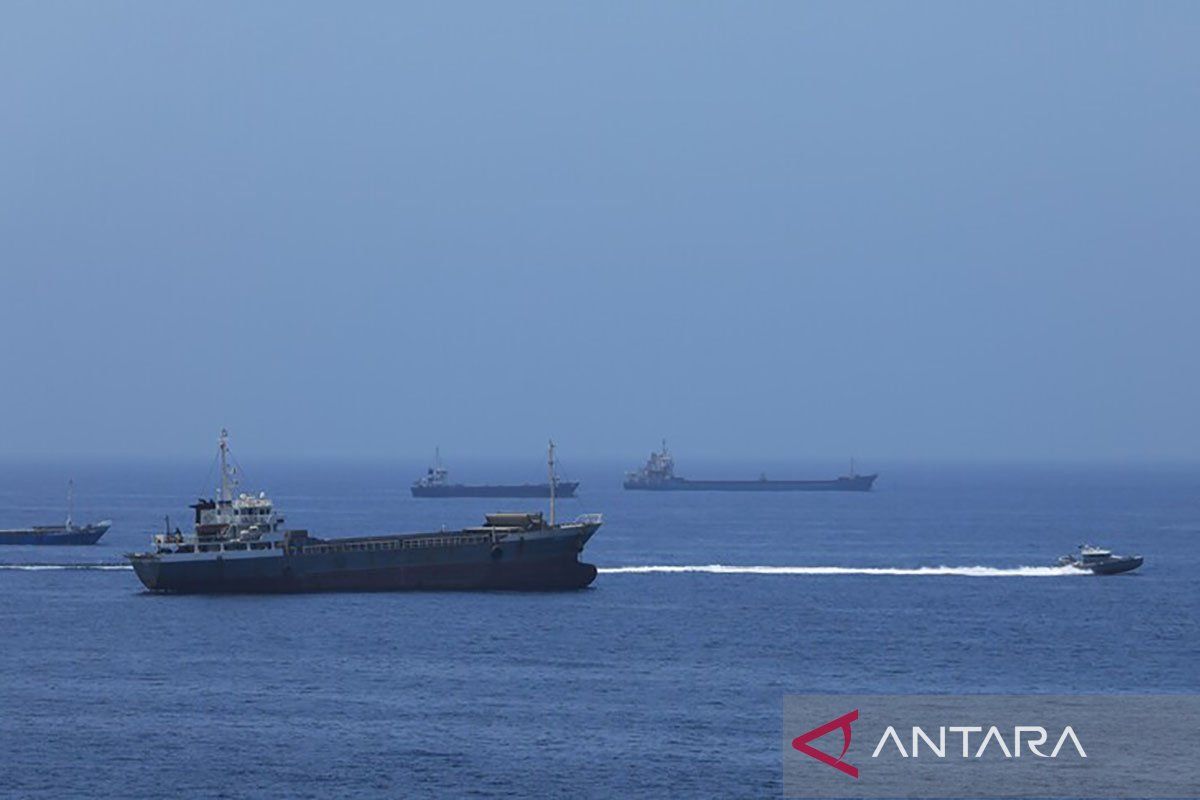
Oman on Tuesday announced the opening of a temporary maritime corridor for ships transiting the Strait of Hormuz, as part of its responsibility for one of the world’s most important shipping lanes and its commitment to maintaining freedom of navigation. According to a report by Oman’s official news agency, the step was taken in coordination with the International Maritime Organisation (IMO) and aligns with the outcomes of recent efforts between the United States and Iran regarding navigation and regional stability.
The report explained that the action is based on the Sultanate of Oman’s responsibility for the Strait of Hormuz and the waterway’s importance to the global economy, consistent with Oman’s strong commitment to international law and the law of the sea to guarantee freedom of navigation without imposing transit fees. “Oman has worked with the IMO to provide the option of using a temporary maritime corridor for all ships,” the report stated.
The corridor will be available according to coordinates announced by the IMO and relevant Omani authorities. Ships wishing to use the route are required to coordinate with the international maritime body. The announcement came as Oman and Iran continue consultations on future navigation arrangements in the strategic waters.
Earlier on Tuesday, Muscat and Tehran announced the formation of a joint working group tasked with negotiating the future governance of navigation in the Strait of Hormuz, the maritime services to be provided, and associated costs. The process will be carried out in coordination with other Gulf coastal states and in accordance with international law and the sovereign rights of states bordering the waterway.
Under Article 5 of the Islamabad Understanding, Iran will engage in dialogue with Oman on the future management of the Strait of Hormuz and maritime services to be provided in the area, while maintaining coordination with other Gulf coastal states. According to the memorandum, Iran also committed to deploying maximum efforts to ensure safe and free-of-charge passage for commercial vessels between the Persian Gulf and the Gulf of Oman for 60 days, with commercial shipping activity resuming promptly.
Iran and the United States announced on 14 June that they had reached a 14-point understanding mediated by Pakistan, aimed at ending the war and resolving outstanding disputes through dialogue and negotiation. The document, known as the Islamabad Understanding, came into effect on 18 June after being signed electronically by Iranian President Masoud Pezeshkian and US President Donald Trump. The agreement includes several provisions related to the cessation of hostilities, including in Lebanon, the reopening of the Strait of Hormuz, and the lifting of the US naval blockade against Iran.