
Old Wounds Behind the Pati Case: Unravelling the Reasons for the Recurring Sexual Violence in Pesantren
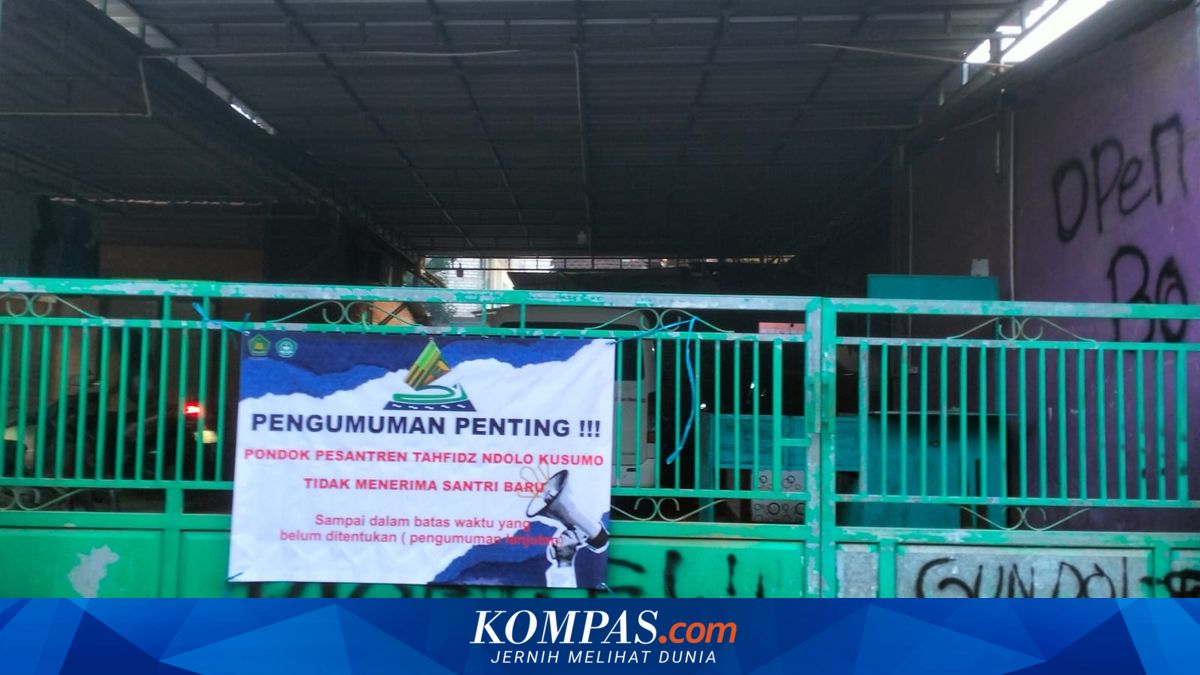
JAKARTA, KOMPAS.com - A case of sexual violence in the pesantren environment has occurred again. This time, the case of molestation up to rape took place at Pondok Pesantren Ndholo Kusumo, in Tlogowungu Subdistrict, Pati, Central Java. The immoral practice was allegedly carried out by a pesantren caregiver, Ashari. He has been designated as a suspect since 28 April 2024, but to date, the police have not yet detained him. It is known that the investigation of the case proceeded slowly even though it had been reported since 2024. Law enforcement officials revealed obstacles in the investigation process, particularly related to the attitudes of witnesses and victims. Before this case emerged, there was a case of sexual harassment by a kyai’s son at Pondok Pesantren Majma’al Bahrain Shiddiqiyyah in Jombang, East Java. There was also a sexual harassment case at Pondok Pesantren Manarul Huda, Bandung, managed by suspect Herry Wirawan. In 2022, Herry was sentenced to life imprisonment for raping 13 female students until they became pregnant and gave birth. According to the Annual Notes of Komnas Perempuan, there were 97 cases of sexual violence reported to the institution throughout 2002-2024. Pesantren or religion-based education ranks second highest after university environments, with 17 cases or equivalent to 17.52 percent of the total cases. Meanwhile, data from the Indonesian Education Monitoring Network (JPPI) records 641 cases of violence in educational units in 2025. Around 44 percent occurred in pesantren and 57.65 percent were sexual violence cases from the total overall. “In JPPI’s notes for the first quarter of 2026, violence in educational institutions under the Ministry of Religious Affairs reached 12 percent (9 percent in pesantren, and 3 percent in madrasah). The highest number of violence cases occurred in schools (71 percent). The rest occurred in higher education (11 percent), and non-formal educational institutions (6 percent),” said JPPI National Coordinator Ubaid Matraji when contacted by Kompas.com on Monday (4/5/2026). Ubaid assessed that the recurring harassment cases occur because many pesantren still feel like autonomous institutions that cannot be touched by any rules, including those made by the state. In other words, religious schools should comply with various government regulations, including forming a Task Force for Prevention and Handling of Violence (TPPK) or a Sexual Violence Prevention and Handling Task Force (PPKS). “Indeed, there are still those who feel like autonomous institutions that are untouchable or unwilling to be regulated by the state. This must be straightened out. The Ministry of Religious Affairs must take improvement steps,” said Ubaid. He assessed that the current regulations are sufficient to address sexual violence issues if handled properly. The Ministry of Religious Affairs already has Minister of Religious Affairs Regulation (PMA) Number 73 of 2022 on the Prevention and Handling of Sexual Violence in Ministry of Religious Affairs Educational Units. This ministerial regulation is even strengthened by the issuance of Law (UU) Number 12 of 2022 on Criminal Acts of Sexual Violence (TPKS). “So, in terms of regulations, we already have them complete,” he said.