
Ojol Drivers Relieved as 'Hemat' Services Are Scrapped
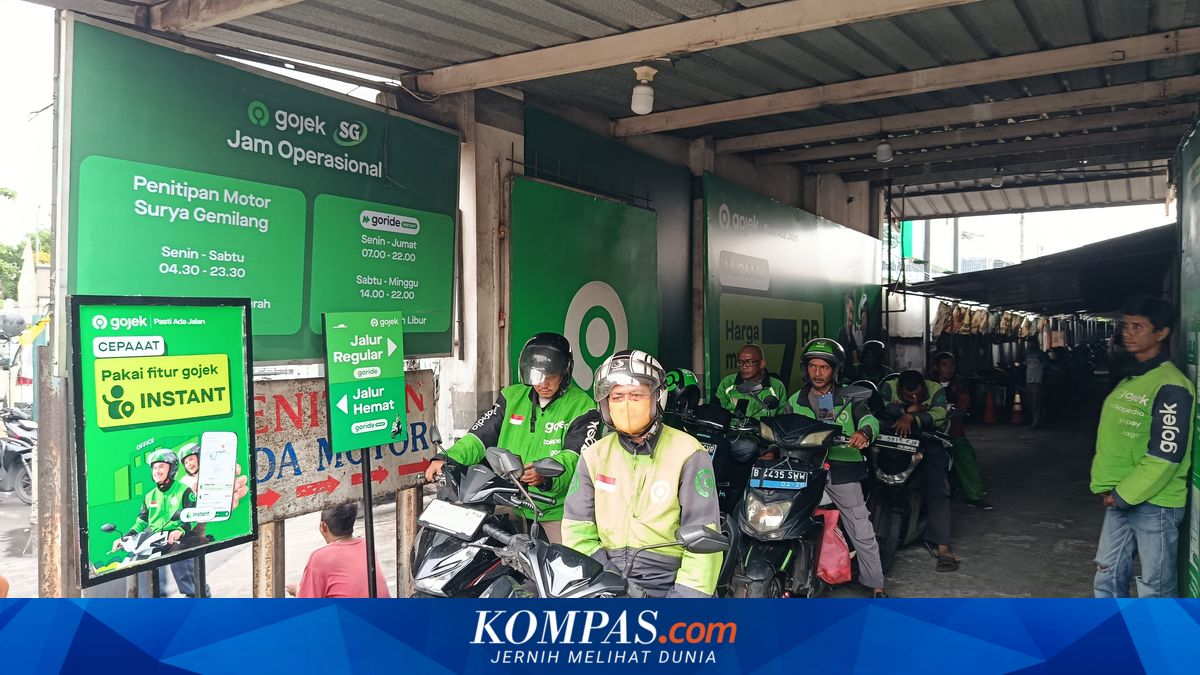
Jakarta — Ojol drivers welcomed the decision to scrap GoRide Hemat and GrabBike Hemat. They say the move could make their earnings more decent than before. Some drivers said they were glad that the Hemat tariffs were deemed too low, while passenger pickup distances were often long, meaning income could not keep up with operating costs. Abdul, speaking in Central Jakarta on Wednesday (20 May 2026), said the impact would be limited if everything returns to regular pricing; it would only be felt if all services become regular again. Inside GoRide Hemat there was a programme known to drivers as ‘langcor’ or ‘langganan gacor’ that some used to secure more orders. He noted other services such as ‘mitra jarak dekat’, whose concept is similar to GoRide Hemat, and fears that those services could be scrapped as well. ‘If GoRide Hemat is removed, the near-distance partner service, which has only been operating for about two months, could also be removed. But argo goceng is likely to remain,’ he said. While he supported ending Hemat, he cautioned that the company might introduce a system with even larger deductions in the future. ‘For me, it’s good that Hemat is stopped. But I’m worried something worse than Hemat could appear,’ he said. He cited an example: under GoRide Hemat, drivers could earn around Rp 10,500 from a customer tariff of Rp 15,000. ‘Later a customer might pay Rp 14,000, but the driver would only get Rp 10,400. That could be even tougher,’ he said. Beyond pricing, Abdul also highlighted pickup distances in Hemat. He explained that during rain or peak hours, GoRide Hemat orders were often hard to take because the pickup distance was too far. He said many drivers joined Hemat not to chase cheap orders, but to keep their accounts busy with orders. ‘Sometimes the pickup distance can be 2 to 5 kilometres. So it’s not that the driver won’t take an order, but the distance is simply too far,’ he added.