
OJK Yogyakarta Records More Than 12,000 Scam Reports
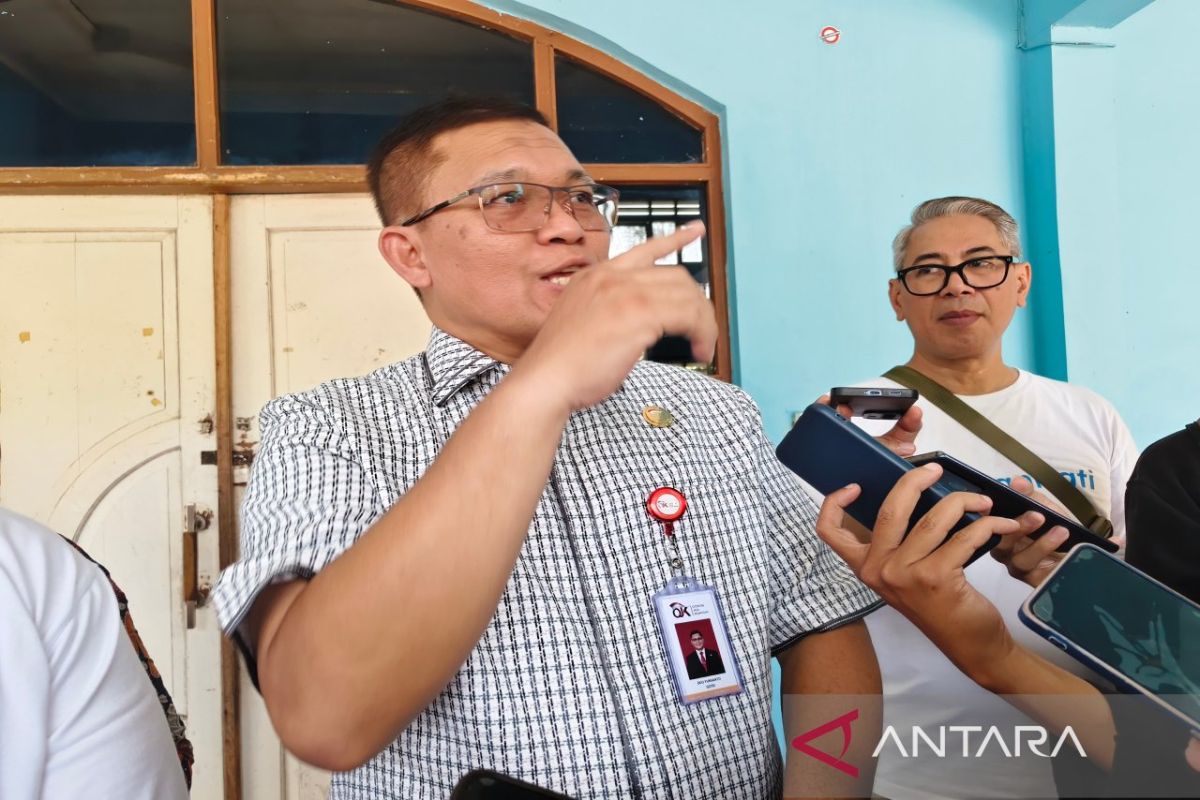
The Indonesia Anti-Scam Centre (IASC) had received more than 12,000 scam reports from the Yogyakarta Special Region by the end of September, with total losses exceeding Rp100 billion.
Sleman (ANTARA) – The Financial Services Authority (OJK) in the Yogyakarta Special Region (DIY) recorded more than 12,000 digital scam reports, with public losses exceeding Rp100 billion, by the end of September 2026.
OJK DIY chief Eko Yunianto said in Sleman on Friday that the high figures showed the scale of the digital fraud threat, particularly scams targeting social media users and people using smart devices.
“More than 12,000 scam reports from DIY had been submitted to the Indonesia Anti-Scam Centre (IASC) by the end of September, with total losses exceeding Rp100 billion,” Eko said.
Among the regencies and municipalities in DIY, Sleman recorded the most digital fraud reports, followed by Bantul Regency, Eko said.
Scams have become increasingly varied and target people’s everyday activities. Common schemes include online shopping offers, fake part-time job offers that ask victims to like posts in return for rewards or bonuses, advertisements for illegal online loans, and online gambling.
The number of complaints submitted directly to OJK DIY is also high. “More than 1,000 complaints have been recorded through the Consumer Protection Portal Application (APPK), while more than 2,000 people have come to the OJK DIY office to seek advice or make a report,” he said.
Eko said one factor contributing to the prevalence of scam victims was the gap between financial inclusion and financial literacy in DIY.
Financial inclusion in the region currently stands at 98 per cent, while financial literacy is 76 per cent, leaving a gap of around 22 to 23 percentage points. “An inclusion rate of 98 per cent means that, out of 100 people, 98 already use financial products and services. But only 76 truly understand their benefits and risks. This gap makes people vulnerable to becoming victims,” Eko said.
To reduce fraud, OJK DIY is focusing on early financial education and literacy, particularly for junior secondary school pupils, who are increasingly active gadget users.
“Schoolchildren are at risk of being exposed to online gambling adverts, illegal online loans or scam links while gaming or using social media. We urge the public and pupils to be more careful and not to click links from people they do not know,” he said.
OJK DIY also requires all financial services institutions to provide transparent information and education before selling their products, so consumers do not “buy a pig in a poke”.
OJK DIY cannot tackle the issue alone, Eko said, and is strengthening cooperation with Bank Indonesia, local governments and financial services industry players to expand public education.