
OJK Urges Young People to Think Critically to Avoid Scams
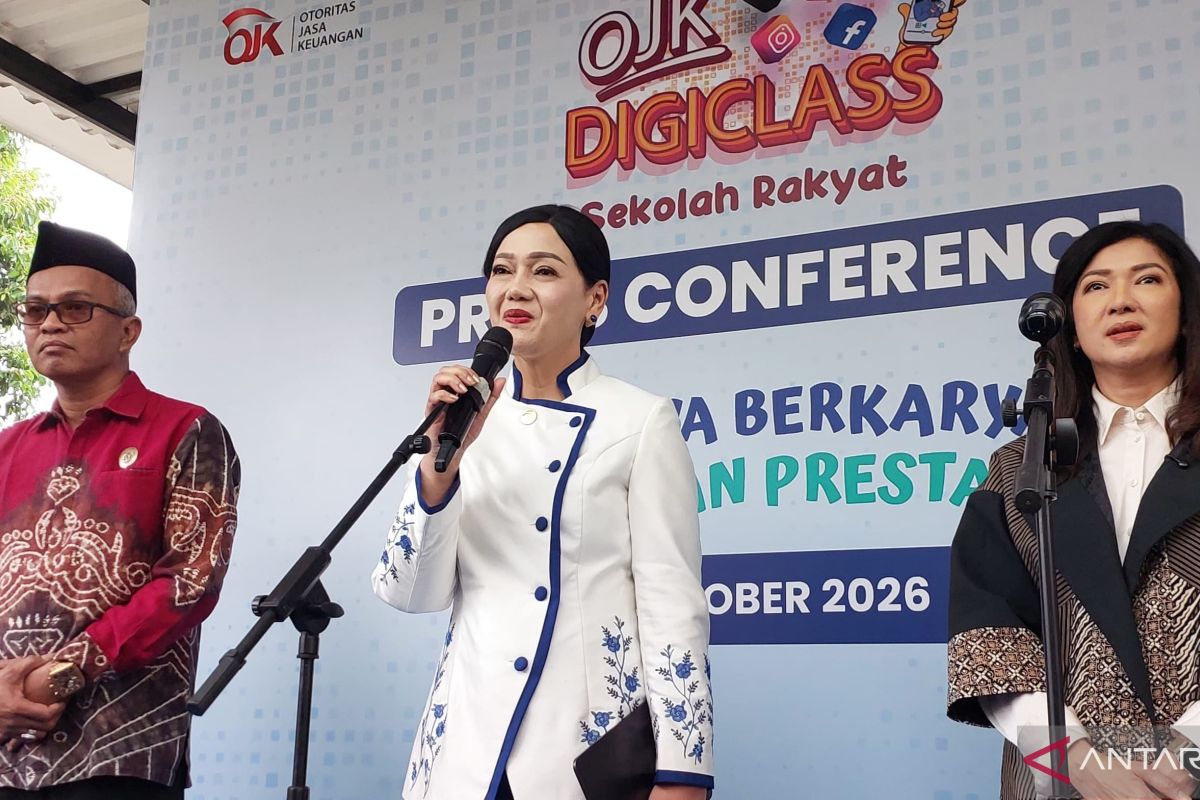
Jakarta (ANTARA) – Otoritas Jasa Keuangan (OJK) Commissioner Friderica Widyasari Dewi said digital scams, which are taking increasingly varied forms, pose a challenge in many countries. Young people in particular need critical-thinking skills so they are not easily tempted by offers made through digital media.
“What we want to teach children and young people is how to think logically and be careful about the various offers that appear in digital media,” Friderica said at an OJK Digiclass event at Sekolah Rakyat Jakarta on Tuesday.
She said one common scam targeting young people involves offers of paid work liking social-media content. Victims may initially receive work and payment, but are later asked to pay additional sums to take on further tasks or join a scheme promising greater rewards.
According to Friderica, this pattern can trap victims once they begin paying money in the hope of earning higher returns.
Scams also occur through online shopping transactions and romance scams, in which perpetrators exploit emotional or romantic relationships to ask victims for money.
Friderica urged the public not merely to memorise types of scams, but to understand the patterns behind them. This is important because methods change as technology develops, including the use of artificial intelligence (AI) to imitate someone’s identity or appearance.
“With AI, someone can look like anyone – they can resemble our parents, our children or our siblings – so we must be extremely careful,” she said.
She advised people to verify information and confirm the identity of anyone requesting money before making a transaction or sharing personal data.
To strengthen consumer protection, OJK is also promoting cooperation through the Task Force for the Eradication of Illegal Financial Activities, which includes OJK and various relevant ministries and agencies.
These efforts are complemented by education for various groups, including children, young people, parents, teachers and financial-services businesses.
Friderica said education should reach children and parents at the same time so that they can remind one another when they encounter suspicious offers or information online.
Alongside improving public awareness, OJK is urging financial-services providers to strengthen risk mitigation to protect consumers and customers from potential fraud.
By strengthening financial literacy, vigilance and cooperation between institutions, the public is expected to become better able to recognise the signs of scams and make safer financial decisions as digital technology develops.