
OJK urged to prepare anticipatory measures for non-performing loans
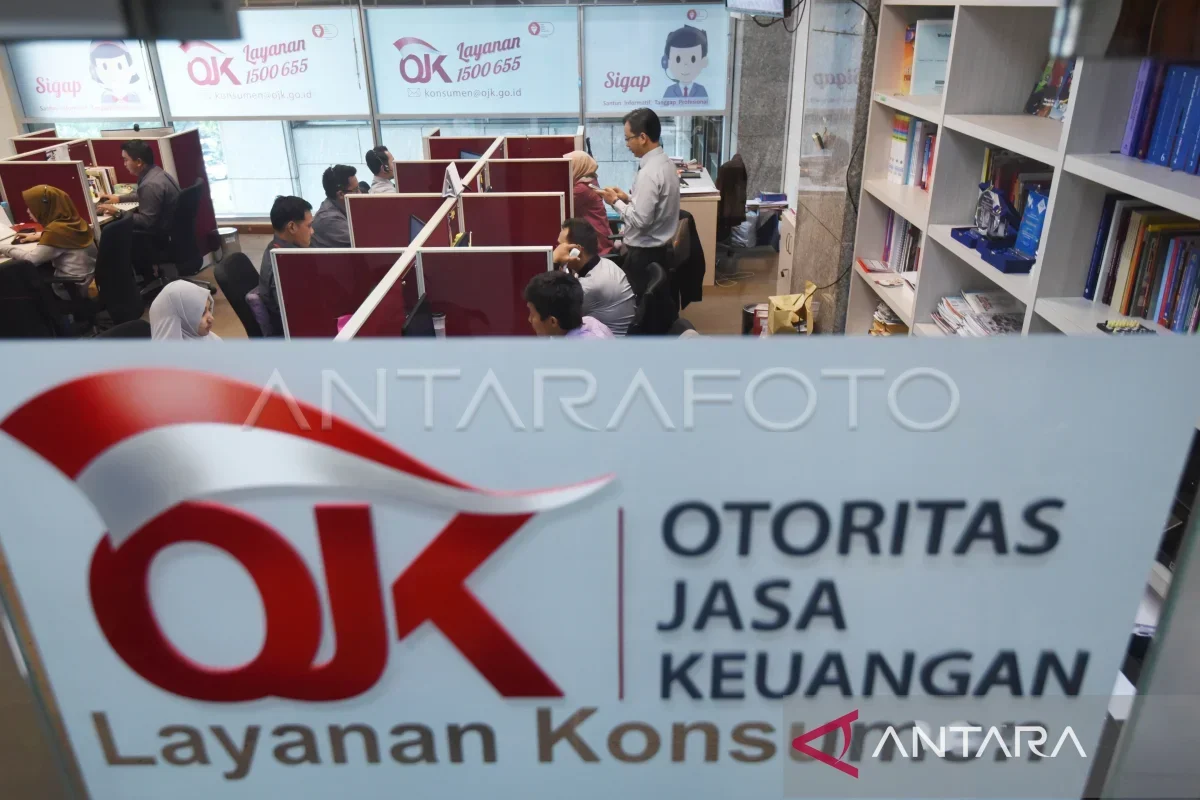
The Financial Services Authority (OJK) is being urged to prepare anticipatory measures to deal with the potential increase in non-performing loans (NPL) amidst persistently challenging economic dynamics. Financial consultant and planner Elvi Diana, in a written statement in Jakarta on Sunday, said various factors such as slowing economic growth, global uncertainty, pressure on people’s purchasing power, and fluctuations in several business sectors could affect the ability of some debtors to meet their credit obligations. Therefore, according to her, risk mitigation efforts need to be undertaken early to maintain the stability of the national financial sector.
“The increase in NPL must be anticipated with an appropriate and measured approach. The OJK, together with the financial services industry, needs to ensure that credit risk can be managed effectively so it does not develop into a larger problem for the financial system,” said Elvi. She believes supervision of credit quality should be a primary focus for financial service institutions. Banks and finance companies are encouraged to strengthen monitoring of their credit portfolios, especially in sectors deemed more vulnerable to changes in economic conditions.
In addition to stricter supervision, Elvi also stressed the importance of utilising credit restructuring policies selectively and in a targeted manner. She argued that such instruments can help debtors facing financial pressure to maintain business continuity and their financial condition. “Restructuring needs to be granted to debtors who have recovery prospects and good faith to fulfil their obligations. This approach can be a mutually beneficial solution for debtors and financial institutions,” she said.
Elvi also highlighted the importance of using technology in credit risk management. She proposed the use of a technology-based early warning system and data analysis to detect potential defaults more quickly. According to her, the ability to detect a decline in credit quality from an early stage will give financial institutions greater room to carry out effective mitigation measures before the credit enters the non-performing category. Elvi is optimistic that a combination of stronger credit supervision, targeted restructuring, and the use of technology will help maintain the health of the national financial sector. She hopes the OJK will continue to strengthen coordination with the financial services industry so that the banking and financing system remains resilient and capable of supporting sustainable economic growth.