
OJK: SNLIK serves as foundation for mapping financial education programmes
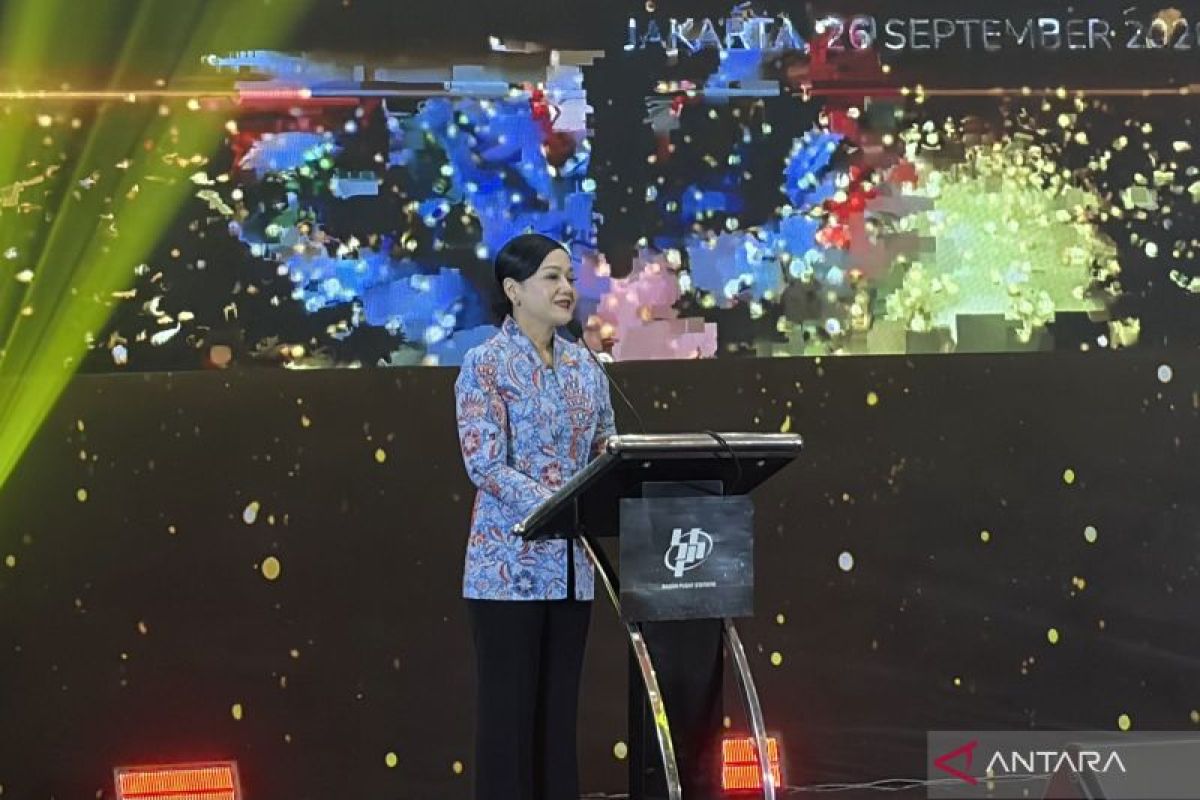
The Financial Services Authority (OJK) considers the National Survey of Financial Literacy and Inclusion (SNLIK), supported by the Central Bureau of Statistics (BPS), to be the primary foundation for mapping and planning appropriate financial education programmes in various regions.
“I want to convey how significant the results of the National Survey of Financial Literacy and Inclusion are and how beneficial they are for the community. With this survey, we can know exactly where to steer our ship. We must know where we currently stand,” said the Chair of the OJK Board of Commissioners, Friderica Widyasari Dewi, in Jakarta on Saturday.
“With the results of the SNLIK, we know the level of literacy and inclusion among the Indonesian people. Based on that, we are mapping various education programmes that are suitable for regions where literacy or inclusion levels are still deemed insufficient,” she added.
Friderica noted that this aligns with the OJK’s mandate, which involves not only supervising the entire financial services sector but also protecting the public in their financial activities through various programmes.
“By law, the OJK is tasked with regulating and supervising the entire financial services sector. However, there is also a duty to protect. One aspect of protection is providing literacy and education to the public,” she said.
Furthermore, Friderica expressed her appreciation for the BPS as a vital partner in the financial literacy and inclusion survey, alongside OJK’s active involvement as a member of the International Network for Financial Education (INFE) of the OECD.
“Currently, we are in the process of accession to the OECD, but we are actively a member of its INFE. The OECD also conducts surveys regarding literacy and inclusion across all OECD countries. Their surveys typically involve a sample of around 1,000 to 2,000, whereas with the BPS, our first year had over 10,000 samples, and most recently, it reached 75,000, which is extraordinary. My thanks to all Indonesian statisticians,” she added.
She also expressed hope that the BPS could strengthen its cooperation with the OJK regarding the SNLIK to obtain more accurate data at the provincial and regency/city levels.
“This is very important, so we can identify which provinces are still below the national average for financial literacy and inclusion, and which are performing well. God willing, next year we intend to collaborate to expand the survey to the regency and city levels,” said Friderica.