
OJK: SLIK has become vital infrastructure for national credit ecosystem
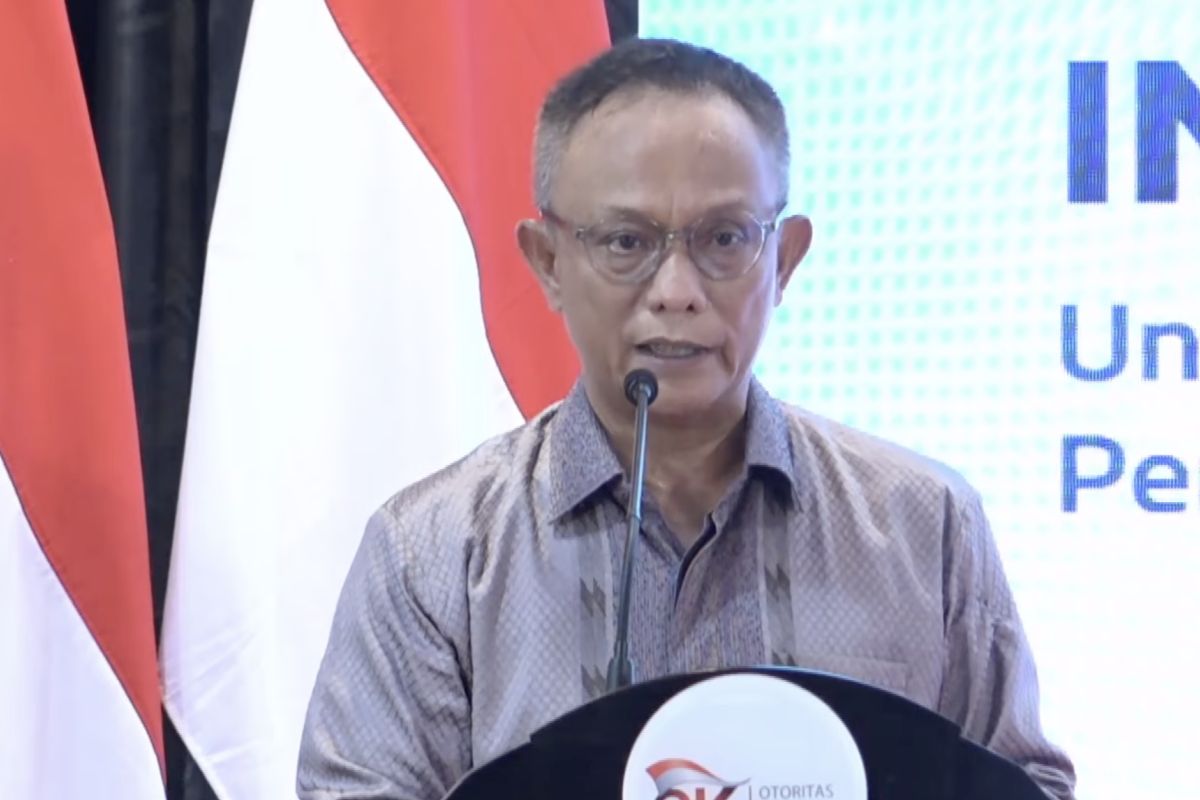
Jakarta (ANTARA) - Deputy Commissioner for Financial System Stability at the Financial Services Authority (OJK), Agus E Siregar, stated that the Financial Information Service System (SLIK) has become vital infrastructure for the national credit and financing ecosystem. “SLIK currently serves 2,169 reporting entities from various financial service sectors with an average of around 31 million debtor information requests each month, reaching a peak of 35.3 million inquiries in April 2026. These figures demonstrate that SLIK has become vital infrastructure for the national credit and financing ecosystem,” he said during the SLIK Optimisation launch event in Jakarta on Monday. As a key infrastructure in Indonesia’s financial system through the provision of debtor information, SLIK helps financial service institutions reduce information asymmetry, strengthen risk management, and support more accurate and responsible credit or financing decisions. The SLIK optimisation launched today is directed at achieving four mutually reinforcing main objectives. First, to support national economic development programmes, particularly by expanding access to financing for micro, small, and medium enterprises (MSMEs). Second, to accelerate data currency by speeding up the reporting of settled credit and financing facilities, so that information on SLIK becomes more up-to-date. Third, to minimise potential complaints from the public or debtors regarding facilities that have been settled but not yet updated. Fourth, to strengthen the financial ecosystem through a more credible credit system in order to maintain financial system stability and strengthen consumer protection. The improvements include accelerating the reporting of credit and financing data that has been settled or completed. “This step is important so that people who have fulfilled their obligations obtain debtor information that is more in line with current conditions,” Agus added. For financial service institutions, more current data is said to support more accurate analysis and reduce the risk of decisions based on outdated information. Another improvement is the adjustment of the scope of debtor information displayed in SLIK. The information is focused on debtors with an initial ceiling and outstanding balance of more than IDR 1 million cumulatively based on the debtor’s identity number. This adjustment is expected to affect around 18 million debtors who still have credit facilities above IDR 1 million cumulatively. These two optimisation measures are also stated to support the government’s agenda in providing decent and affordable housing through the 3 Million Homes programme. More current and relevant debtor information is considered able to assist the assessment process for housing loans, including subsidised mortgages (KPR), more accurately and efficiently while maintaining prudential principles. To ensure implementation readiness, he said, his party has conducted socialisation to all SLIK reporting entities and system adjustments at OJK have reached 100 percent readiness. “Going forward, we together with all relevant work units and institutions will continue to oversee the implementation, monitor the quality and timeliness of reporting, and conduct periodic evaluations so that the benefits of SLIK optimisation can truly be felt by the public, the financial services industry, and the national economy,” he added.