
OJK Says Indonesia’s Capital Market Is Not Comparable with ‘Standalone’ Markets
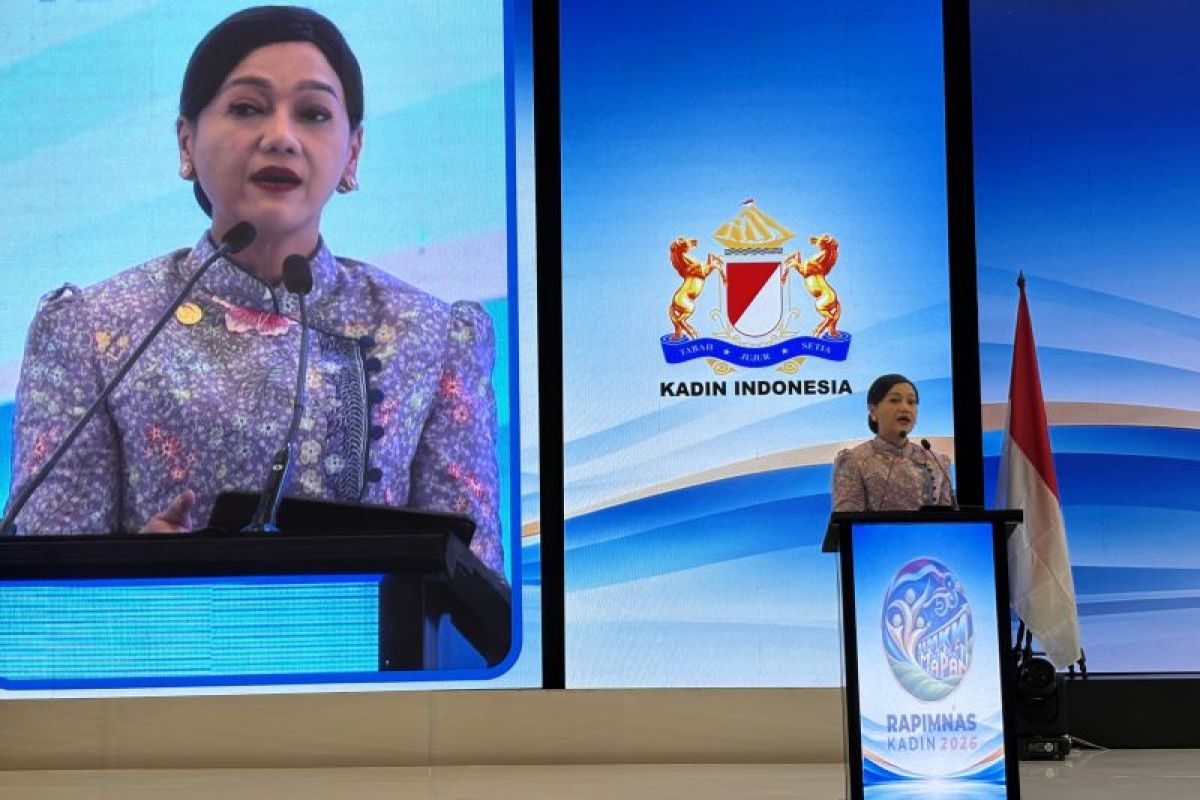
Indonesia has relatively strong economic fundamentals and a sizeable capital market compared with a number of countries in that category.
Jakarta (ANTARA) – The Financial Services Authority (OJK) considers Indonesia’s capital-market conditions incomparable with those of countries classified as standalone markets, following MSCI’s plan to downgrade Indonesia’s stock market from emerging-market status.
OJK Board of Commissioners Chair Friderica Widyasari Dewi said at the Indonesian Chamber of Commerce and Industry (Kadin) national leadership meeting in Jakarta on Thursday that Indonesia had relatively strong economic fundamentals and a sizeable capital market compared with a number of countries in the category.
Indonesia is currently grouped among emerging markets alongside countries such as Malaysia, South Korea, Türkiye and the Philippines, she said. In terms of economic growth, inflation and market capitalisation, Indonesia remained competitive.
“Is Indonesia comparable with countries such as Zimbabwe, countries such as Ukraine, which is at war, or Argentina, where inflation has reached more than 33 per cent? This is something we need to reflect on,” Friderica said.
She said that, based on MSCI’s market-accessibility review in June 2026, Indonesia had met 16 of the 18 indicators used in the assessment.
That result showed that Indonesia’s capital market met most of the parameters of concern to global index providers, she said.
Nevertheless, on 15 October 2026, MSCI announced a consultation on a proposed reclassification of Indonesia from an emerging market to a standalone market.
In its announcement, MSCI highlighted several issues, including transparency around share-ownership structures, suspected coordinated trading, and the need for evidence that rules were being consistently implemented and enforced.
Friderica said the OJK had undertaken various reforms in response, including raising the threshold for disclosure of shareholdings from 5 per cent to 1 per cent, strengthening free-float requirements and introducing a list of companies with high shareholding concentration.
She acknowledged, however, that enforcement remained one of the areas under scrutiny in the assessment of Indonesia’s capital market.
The OJK would continue to strengthen supervision and enforcement to improve market integrity and maintain investor confidence, she added.
Friderica stressed that capital-market reform was not being undertaken solely to meet the assessment of one global index provider, but also to improve the quality of the domestic market over the long term.
“The reforms we are carrying out are not just because of one global index provider. We want to reform our capital market so that it becomes more advanced and larger, but also resilient, transparent, efficient and fair,” she said.
She hoped the changes would make Indonesia’s capital market more resilient, transparent, efficient and fair, while serving as a long-term investment vehicle for the public.
The MSCI consultation is still under way. The index provider is accepting submissions until 30 April 2027, with a final decision on Indonesia’s market classification scheduled to be announced by 30 June 2027 at the latest.
Source: jawawa.id (https://jawawa.id/newsitem/ojk-says-indonesias-capital-market-is-not-comparable-with-standalone-markets-1793281966)
Originally published by Antara (Indonesian) (https://www.antaranews.com/berita/5820123/ojk-nilai-pasar-modal-ri-tak-sepadan-dengan-kategori-standalone), translated from Indonesian