
OJK proposes banning PFII businesses from raising funds outside the zone
The Financial Services Authority (OJK) has proposed regulations that would prohibit businesses operating within the Indonesian International Financial Centre (PFII) from raising funds or accepting public deposits outside the PFII area within the territory of the Unitary State of the Republic of Indonesia (NKRI).
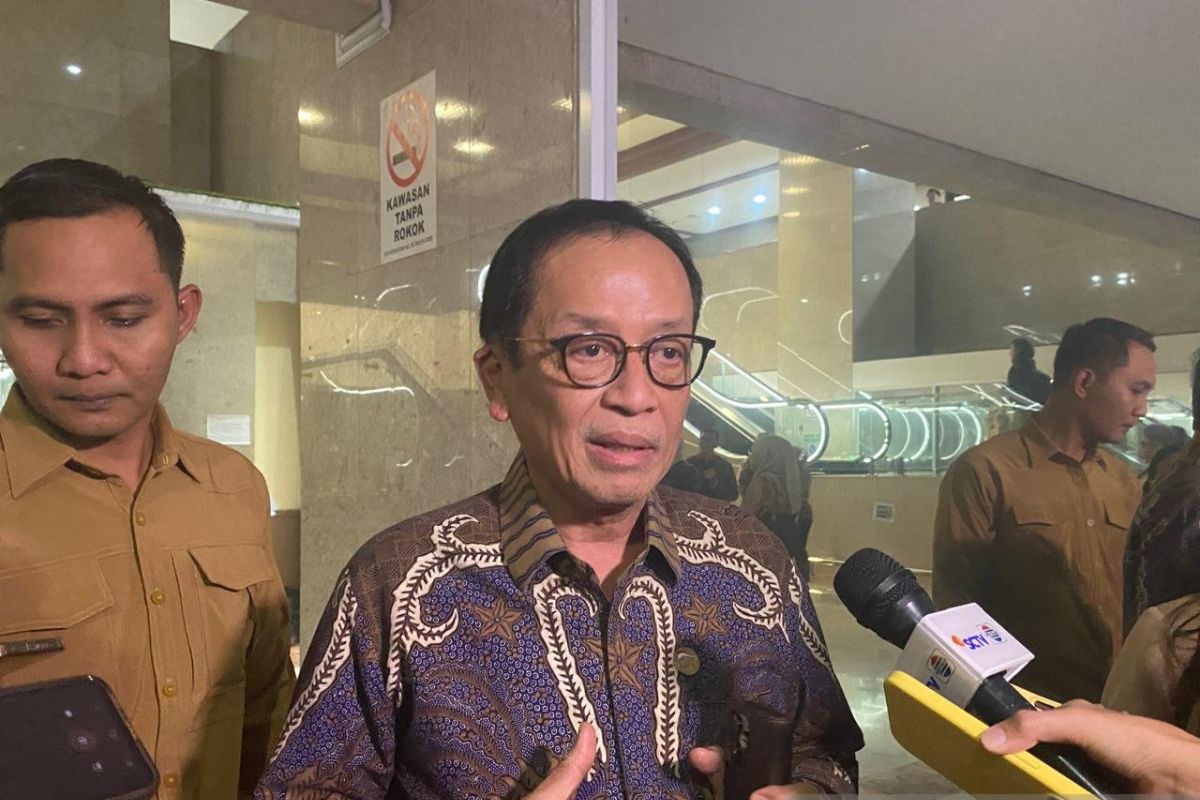
Dian Ediana Rae, Chief Executive of Banking Supervision at OJK, stated during a Public Hearing Meeting (RDPU) of the PFII Bill Working Committee in Jakarta on Wednesday that the proposal refers to practices implemented at the Dubai International Financial Centre (DIFC).
According to him, such regulation is necessary to ensure the PFII continues to function as an international financial intermediation centre, prevent crowding out of domestic financial service institutions, and maintain the effectiveness of monetary policy, prudential regulation, and national financial system stability.
OJK views that the development of the PFII as an international financial centre must still be carried out within the framework of maintaining national financial system stability. Therefore, Dian said, financial service activities in the PFII area must remain oriented towards international financial activities and not become competitors to the domestic financial services sector.
Furthermore, when answering journalists’ questions after the RDPU, Dian explained that such restrictions are common practice in various international financial centres. He argued that businesses in the PFII should not raise funds from the public outside the PFII area within NKRI because this could potentially divert funds from the domestic financial services sector to the PFII. This risk is considered even greater if the PFII offers incentives such as tax facilities.
“Moreover, the principle we will use is out-in. In the sense that we attract funds inward, and then these funds are used for development financing in our country,” Dian explained.
At the same RDPU session, Bank Indonesia (BI) proposed regulatory clarity regarding three aspects of the payment system: the use of foreign currency, the use of payment system infrastructure, and the carrying of foreign banknotes.
“This proposal is submitted for the stability and strengthening of PFII operationality so that it remains highly competitive while still safeguarding the Indonesian payment system,” said Rika S. Dewi, Head of BI’s Legal Department.
Regarding the use of foreign currency, BI supports the regulation that the use of foreign currency for transactions in the PFII is limited only to business activities conducted within the PFII area. Additionally, BI also supports regulations that prohibit PFII businesses from raising funds from NKRI and conducting transactions with the domestic market, consumers, or retail customers outside the PFII.
“This regulation is in the context of supporting the implementation of BI’s duties and in order to maintain the stability of the rupiah exchange rate as well as the authority of the financial sector in safeguarding the financial system,” Rika explained.
BI also proposed that the PFII Bill provide clarity regarding the use of payment system infrastructure, including whether the PFII will utilise existing infrastructure or build its own system. As for the carrying of foreign banknotes, BI stated that as long as the carrying of foreign banknotes from outside Indonesian territory to the PFII or vice versa is done through ports or airports within Indonesian territory, the provisions remain subject to Indonesian law.