
OJK: Islamic Economic Momentum Must Be Maintained Throughout the Year
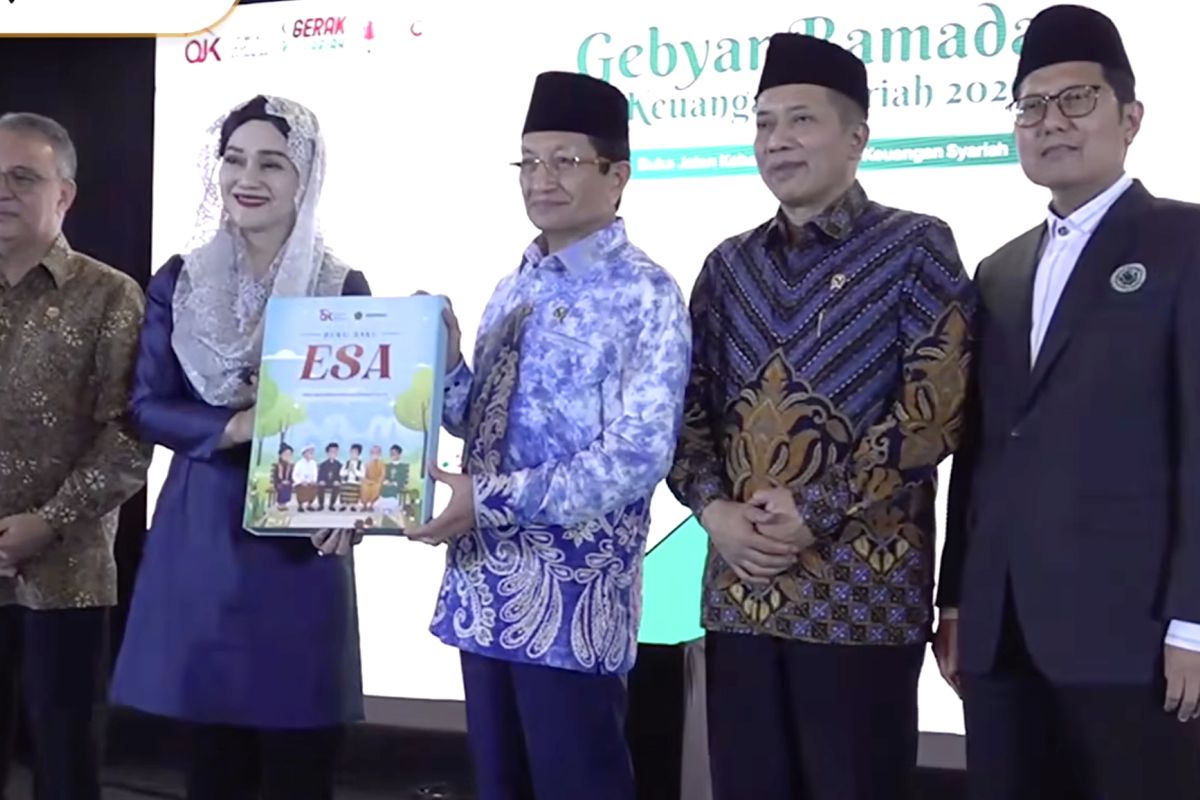
Jakarta (ANTARA) - OJK Commissioner Chair Friderica Widyasari stated that the momentum for Islamic economics must be maintained throughout the year. “There is a perception that good activities are only carried out during the month of Ramadan. So we say, ‘no, it can’t be like that; we must promote Indonesia’s Islamic economy and finance throughout the year,’” she said at the Closing Ceremony of the Ramadan Finance (GERAK) Syariah 2026 event in Jakarta on Thursday. She noted that Indonesia has extraordinary potential in Islamic economics due to its status as the country with the world’s largest Muslim population. Currently, Indonesia leads in the halal sector and ranks third in the Global Islamic Economic Indicator. In the Islamic finance sector, the country also ranks sixth out of the top 10 globally in aspects such as banking, insurance, sukuk, and Islamic social funds. As of December 2025, the national financial services sector showed stable and resilient growth amid global geopolitical dynamics, with total Islamic financial industry assets increasing by 8.61% year-on-year to Rp3,100 trillion. In detail, these total assets come from Islamic banking at Rp1,067 trillion, the Islamic capital market at Rp1,800 trillion, and the Islamic non-bank financial industry (IKNB) at Rp188 trillion. Meanwhile, Islamic financing intermediation grew by 9.58% year-on-year to Rp705 trillion, with Third Party Funds (DPK) growing by 10.14%. Market capitalisation also reached Rp8,900 trillion, up 31.4% year-on-year. Nevertheless, the low level of Islamic inclusion at only 13% compared to a literacy rate of 43% requires OJK to conduct more massive socialisation to build public confidence in using Islamic products. The authority has undertaken reorganisation by establishing a Special Department for Micro, Small, and Medium Enterprises (UMKM) and Syariah to align with the government’s focus on strengthening cooperatives and small businesses. In addition, four main policies have been established: optimising the contribution of the financial services sector to support government priority programmes (Asta Cita), enhancing effectiveness and integrity enforcement to maintain public trust and prevent cases that could damage the image of syariah, developing human resources and information technology to address digitalisation challenges, and strengthening inclusion through capitalisation and product differentiation. The Islamic financial sector itself is directed to support President Prabowo’s Asta Cita mission, including creating quality jobs and developing the creative industry through inclusive UMKM financing (Asta Cita 3), building human resources including strengthening the role of women, youth, and persons with disabilities (Asta Cita 4), and building from the villages for economic equity and poverty eradication (Asta Cita 6). One flagship initiative is the development of an Inclusive Financial Ecosystem in pesantren. Through collaboration with the Ministry of Religious Affairs, OJK has launched the Religion-Based Financial Education Pocket Book (ESA). “InsyaAllah, this will be a contribution that brings blessings and benefits that can be directly felt by the community,” Friderica stated.