
OJK Eases SLIK Credit Scoring to Unlock Home Ownership for Low-Income Families
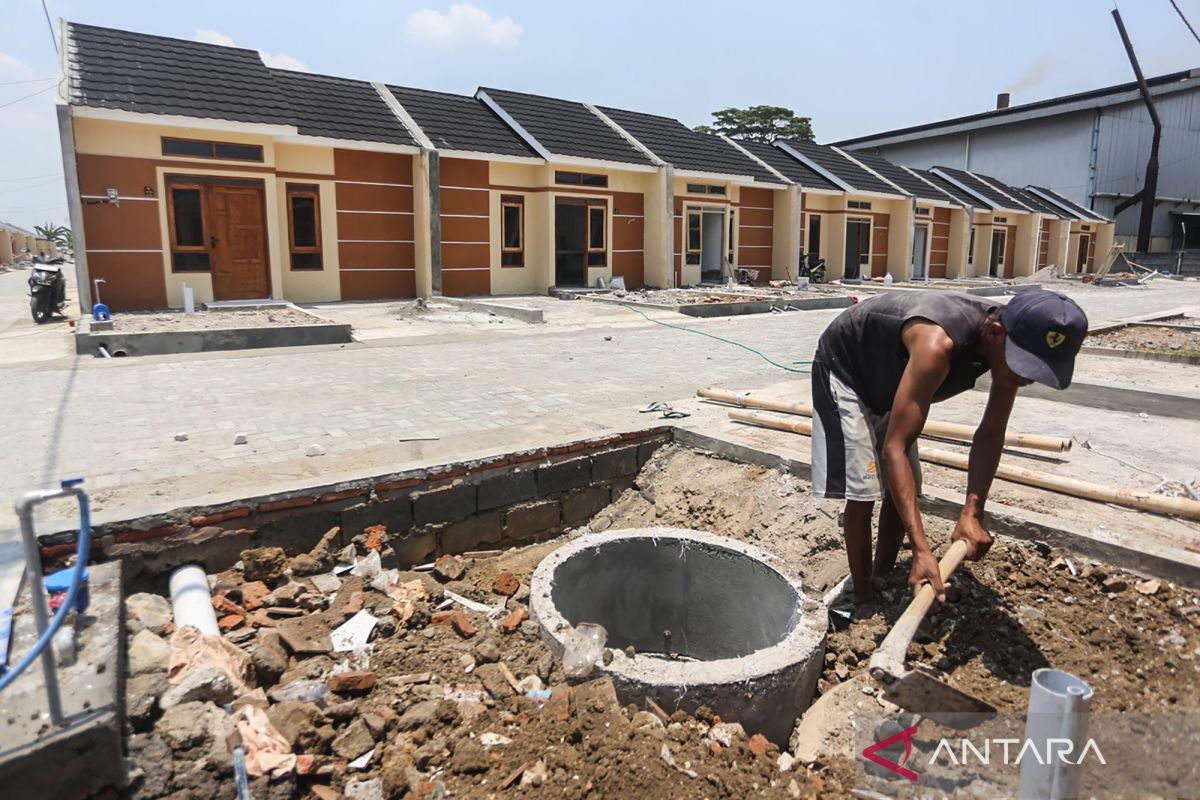
Jakarta (ANTARA) - The government continues to seek ways to expand access to housing finance for low-income communities (MBR). In addition to increasing the housing supply through the Three Million Houses Programme, the government is also striving to remove various obstacles that have historically made it difficult for the public to obtain subsidised Home Ownership Credits (KPR).
One step attracting significant attention is the implementation of the new Financial Services Information System (SLIK) by the Financial Services Authority (OJK) as of 13 April 2026, accompanied by relaxed assessment criteria for subsidised KPR applicants.
This policy brings important changes. The OJK has emphasised that individuals with problematic credit records involving amounts below Rp1 million can still apply for subsidised KPR. Furthermore, SLIK data will no longer serve as the sole determinant for the acceptance or rejection of credit applications, but will instead function as one element within the overall risk analysis process conducted by banks.
This change marks a shift in approach from a system that tended to be purely administrative towards one based on a comprehensive assessment of a potential debtor’s ability to pay.
The policy is worthy of appreciation as it addresses issues frequently complained about by the public. Many first-time homebuyers have failed to secure subsidised KPR not due to a lack of steady income or repayment capacity, but because of arrears on credit cards, vehicle instalments, or other relatively small consumer loans.
In several cases, there are even individuals who have settled their obligations, yet their SLIK status has not been promptly updated, remaining a barrier when applying for housing finance. This is significant because housing is a basic need with social and economic dimensions far broader than other forms of consumer credit.
Home ownership provides certainty of residence, improves family welfare, and serves as a productive long-term asset. Therefore, it is appropriate that the assessment of subsidised KPR applicants is conducted more proportionally without neglecting the principle of prudence.